








Introduction:Do you often find that the same coffee beans sometimes yield an espresso with balanced flavors, while other times it turns out overly sour, astringent, or bitter? This inconsistency is actually closely related to the coffee beans’ degassing stage, as well as environmental factors like temperature, humidity, and air pressure. This article delves into the reasons why extraction parameters change over time and with varying environments, and provides a three-step adjustment approach: prioritize adjusting the brew ratio, then fine-tune the coffee dosage, and only finally modify the grind size. It also addresses the aging characteristics of medium-to-dark roasted beans, helping readers master the tricks to stable extractions—whether you're a professional or brewing at home, you can achieve consistently great results.
Have you ever had this experience: the same coffee beans used to make espresso sometimes taste smooth and layered, but other times they come out overly sour or bitter and hard to drink? This instability actually stems from the fact that extraction conditions fluctuate along with the coffee beans’ degassing stage, as well as changes in surrounding temperature, humidity, and air pressure. To understand why the extraction parameters that worked perfectly yesterday fail today, we need to start with the physiological changes within the coffee beans themselves.
Coffee beans continue to release carbon dioxide after roasting, and this process affects the resistance the water encounters as it passes through the coffee bed during extraction. Freshly roasted coffee beans have high levels of carbon dioxide, resulting in greater initial extraction resistance. Over time, as carbon dioxide is gradually released, extraction resistance decreases, which can lead to significantly different flavors in the brewed liquid—even when using the same grind size, dosage, and brew time. For example, a certain medium-to-dark roasted blend is a medium-to-dark roasted blend that typically requiresa 7 to 10-day aging period, during which the coffee develops rich oils and can showcase captivating caramel notes such as dark chocolate, butter, cookies, and roasted hazelnuts.

During the aging period, the carbon dioxide inside the beans is gradually released, which also affects the flow rate during extraction. Suppose you used 19 grams of coffee grounds yesterday and pulled a 38 ml shot in 30 seconds—but under the same conditions today, it only takes 26–28 seconds. This happens because the internal gases in the beans have significantly decreased, reducing extraction resistance and speeding up the flow rate. If you don’t adjust the parameters promptly, you could easily end up with an over-extracted or under-extracted shot.
In addition to changes in the beans themselves,environmental humidity and atmospheric pressure can also interfere with extraction results. When indoor air is too humid, coffee grounds tend to absorb excess moisture, altering the density of the coffee bed and thereby affecting water distribution and extraction uniformity. Fluctuations in air pressure can also slightly impact the stability of the espresso machine’s extraction pressure. Therefore, if you rely entirely on the successful extraction settings from the previous day, you may well end up with very different flavor profiles today.
Faced with these variations, many baristas’ first task each day when opening the shop is to calibrate the espresso flavor according to the current state of the beans, ensuring consistency in every cup served. For home users, while such rigor isn’t necessary, mastering basic adjustment techniques can still greatly enhance the quality and consistency of daily coffee brewing.
When you notice unusual flavors in your extraction,the first rule is: don’t rush to adjust the grind size! Because every time you change the grinder setting, it not only affects the distribution of particle sizes but may also mix in residue from the previous grind, leading to inaccurate test results. The correct approach is to first observe whether your current brew ratio and extraction time differ significantly from your usual settings.
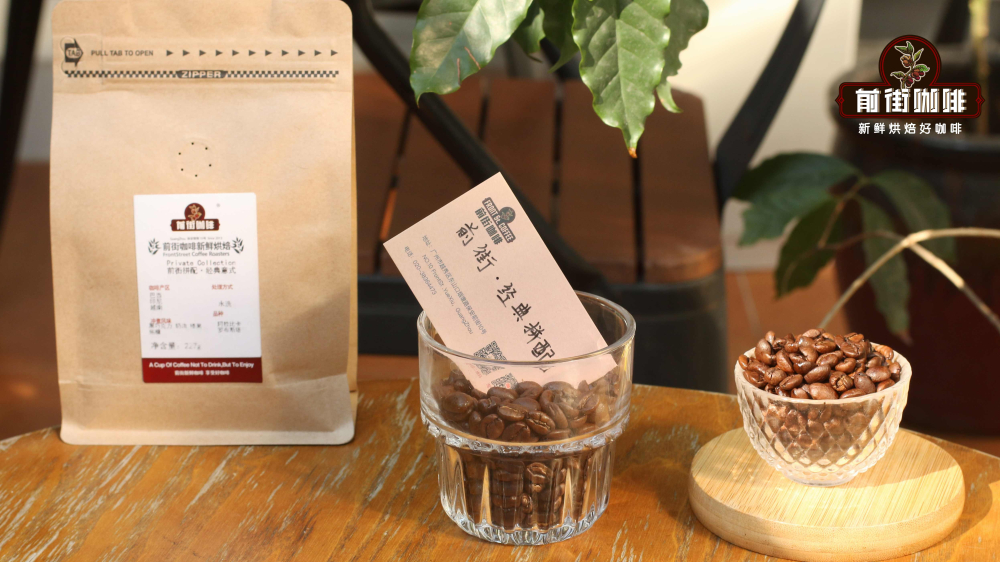
Generally speaking, espresso doesn’t have as strict a “golden ratio” as pour over coffee, but a commonly used industry reference isa 1:2 coffee-to-water ratio, meaning about 2 ml of coffee liquid is extracted per 1 gram of coffee grounds. If you find the espresso is overly sharp or sour, it may be under-extracted. In this case, you can try extending the extraction time, adjusting the yield from 36 ml to 38 ml—increasing by 2 ml at a time—and observe whether the acidity becomes smoother. Conversely, if the coffee shows obvious bitterness or burnt notes, it may be over-extracted, and you should reduce the yield.
If adjusting the ratio still doesn’t result in balanced flavors, the next step is to consider making slight adjustments to the amount of coffee used.Small changes in coffee dosage (it’s recommended to adjust by 0.2 g increments) can have a significant impact on extraction results. For instance, if you’re using 19 g of coffee, pulling 38 ml in 30 seconds, but feel the acidity is slightly too strong or the bitterness too heavy, you can try reducing or increasing the coffee dosage (e.g., adjusting to 18.8 g or 19.2 g) while keeping the yield the same, and observe how the flavors change.
When the coffee dosage has reached the limit of the portafilter basket—for example, the 20 g basket is already filled with 20 g of coffee, but the extraction time is unusually short (e.g., 24–26 seconds for a 38–40 ml yield), and the flavors are sharp and sour—this usually indicates the grind is too coarse, causing the hot water to pass through too quickly and leading to incomplete extraction. In this case, you should adjust the grinder to a “finer” setting (usually by turning to a smaller number), discard the first grind to avoid residual coffee affecting the shot, and re-brew the same dosage and yield. Then observe whether the flow rate and flavors improve, and make further adjustments to the ratio or dosage as needed.
On the other hand, if you’re using the same dosage but it takes over 40 seconds to complete the extraction, and the coffee gives off a noticeable burnt or astringent taste, it means the grind is too fine, creating excessive flow resistance and resulting in over-extraction. In this case, adjust the grinder to a “coarser” setting (increase the number), allowing more space for water to flow through and reducing extraction pressure. Then fine-tune the ratio and dosage to find the optimal balance for extraction.
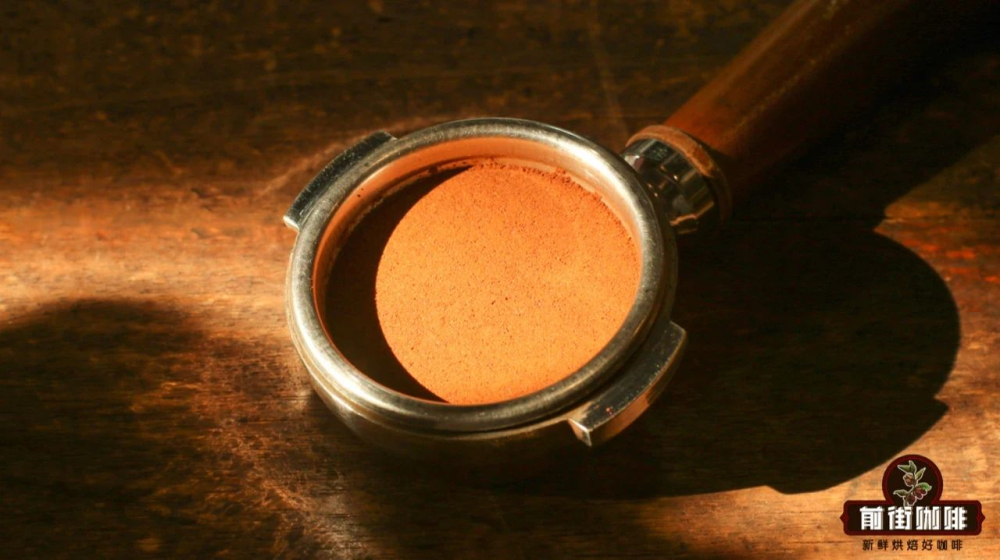
In summary, when you find that your espresso extraction flavors are unstable, it’s recommended to follow the adjustment sequence of “ratio first, then dosage, and grind size last,” gradually finding the best extraction conditions. This not only improves consistency and flavor performance, but also helps you handle various variables more calmly whether you’re brewing at home or professionally. And if you just want to enjoy a smooth cup of coffee at home, there’s no need to obsess over perfect parameters—finding a flavor you enjoy is what matters most.
The above content is compiled by CoffeeHunters, a coffee news website.


