







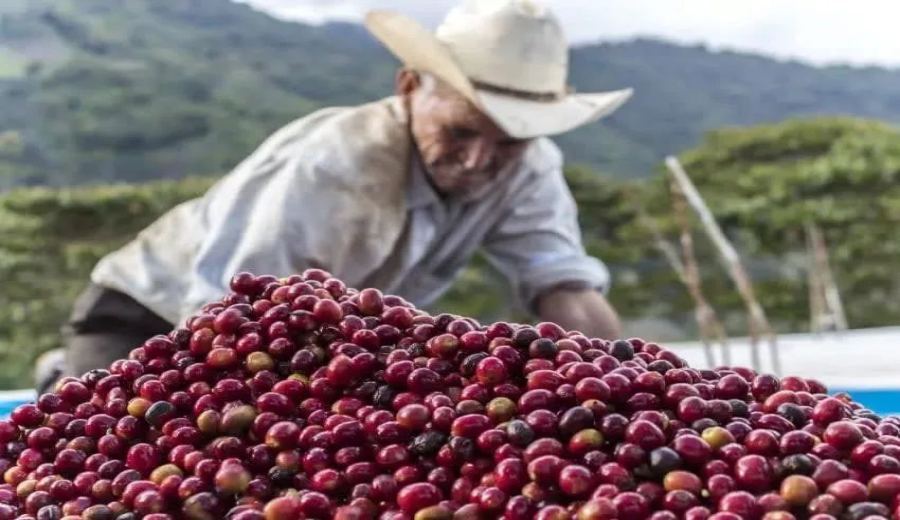
Introduction:Honduran coffee has evolved in recent years from bulk commodity trade to specialty production. Its rigorous grading system and unique geographical indication framework have given rise to a diverse range of flavor profiles. This article delves into Honduras's official coffee bean grading standards, its six major producing regions, and the characteristics of eight western sub-regions with geographical indications, while also offering professional pour over recommendations to help you grasp the essence of this Central American origin.
Honduras is located in the northern part of Central America, bordering the Caribbean Sea to the north, the Gulf of Fonseca of the Pacific Ocean to the south, and sharing borders with Nicaragua, El Salvador, and Guatemala. The country is predominantly mountainous with high plateaus, reaching elevations of up to 3,000 meters in the northwest. Its complex terrain and abundant water sources foster diverse microclimates for coffee cultivation. Since 2017, both the country’s coffee output and quality have improved simultaneously, with long-standing logistical and processing challenges gradually being resolved, allowing it to gradually emerge in the international specialty market.
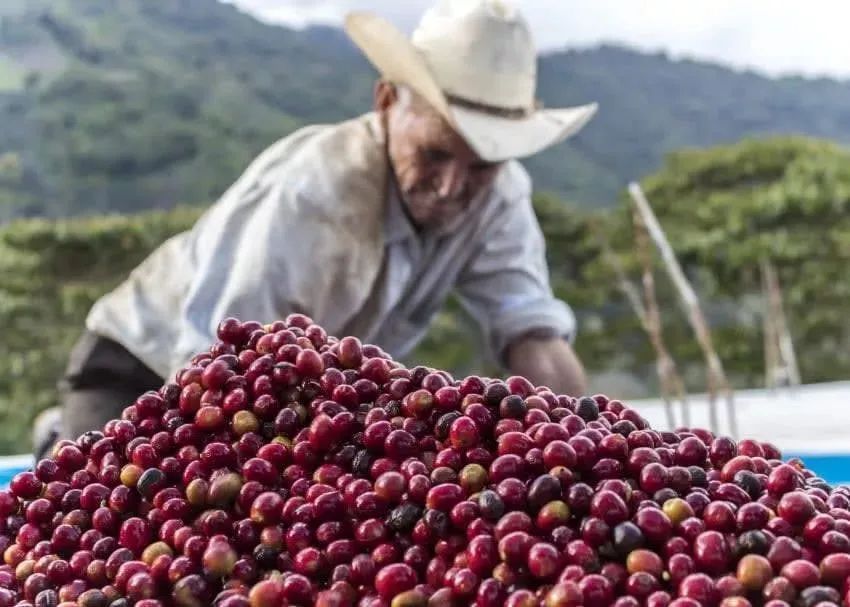
Looking back two decades ago, Honduran coffee was often regarded as a coarse product in the international market due to rudimentary processing techniques and insufficient equipment investment. Starting in 2007, driven by IHCAFE (the Honduran Coffee Institute) and advanced processing facilities, significant progress was made in processing procedures, equipment upgrades, and export efficiency. Between 2011 and 2012, its production volume even ranked first in Central America, harvesting about three million bags (46 kg per bag) annually. IHCAFE, in collaboration with regional associations, is committed to providing high-quality Honduran coffee to buyers worldwide.
According to IHCAFE’s classification, Honduran coffee is primarily divided into six major producing regions: Copan, Opalaca, Montecillos, Comayagua, Agalta Tropical, and El Paraiso. These regions are mostly located in the west and south, with planting elevations generally exceeding 1,100 meters. The coffee beansconsist of 69% HG grade (high altitude), 12% SHG (strictly high altitude), and 19% CS (medium altitude).The main varieties include Typica, Bourbon, Caturra, Villa Sarchi, and Lempira.
Honduran coffee grades are determined by altitude:Standard grade (610–915 meters), High Grown grade (915–1220 meters), and Strictly High Grown grade (above 1221 meters).This grading directly influences the concentration of flavors and the brightness of acidity—generally, the higher the altitude, the more pronounced the acidity, along with better sweetness and body.
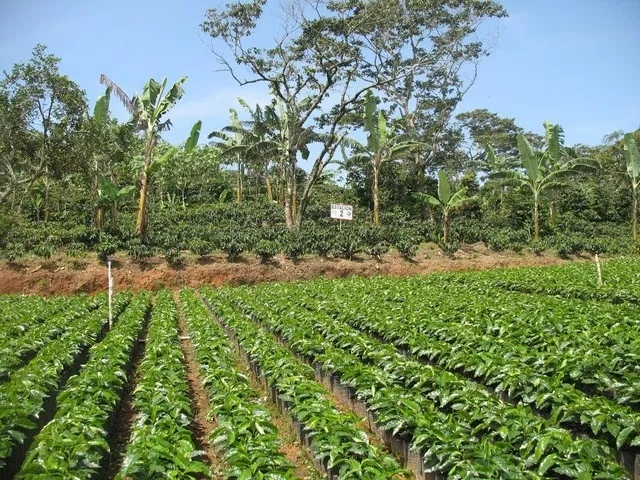
Notably, the Honduran Western Coffee Association (HWC) has promoted a geographical indication system, which is the country’s first to receive government certification as a PGI (Protected Geographical Indication) and brand collective mark (MC). HWC coffee undergoes strict quality testing, with Grade 1 and Grade 2 standards established, and eight sub-regions distinguished by their unique terroirs: Erapuca (Ocotepeque-Copan), Gmlisayote (Ocotepeque), Celaque (Ocotepeque, Copan, and Lempira), Puca (Lempira), Camapara (Lempira), Congolon (Lempira), Opalaca (Intibuca), and Green Mountain (Lempira).
Coffees from these sub-regions are known for their bright citrus acidity and sweet caramel aftertaste, with a full body and rich mouthfeel, offering excellent overall balance. Compared to Guatemalan coffees of similar altitudes, HWC coffees demonstrate greater richness in mouthfeel and complexity in flavor layers.
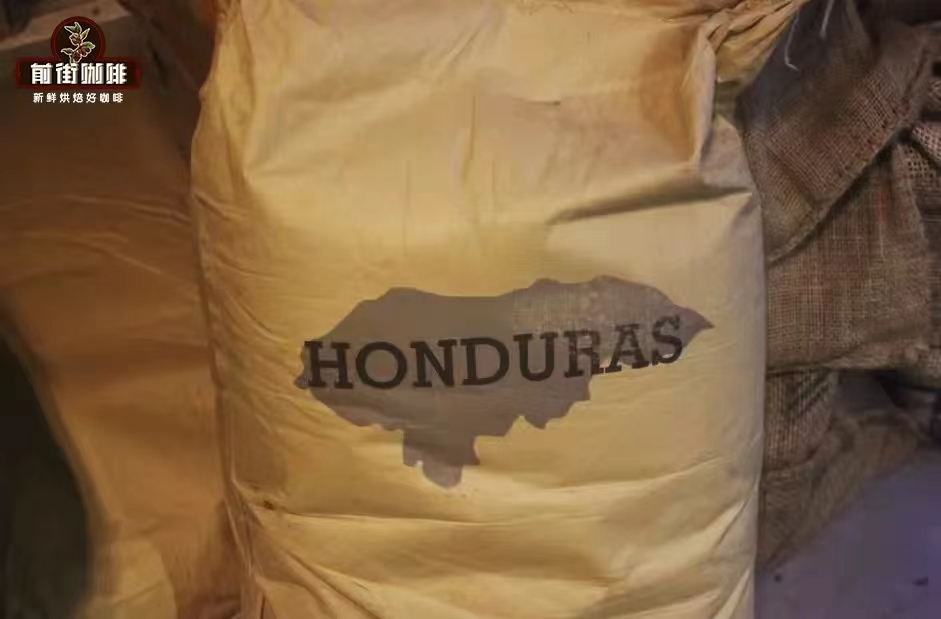
Take, for example, the Honduran Sweet Orange Estate. Recommended pour over parameters: use a siphon or V60 dripper,grind size like fine sugar (80% passing through a #20 sieve), 15 grams of coffee, 89°C water temperature, water-to-coffee ratio of 1:15.First, bloom with 30 grams of water for 30 seconds, then pour up to 120 grams and pause, finally slowly pour up to 225 grams. These parameters highlight its spicy and roasted peanut dry aroma, along with layered notes of orange, cantaloupe, cream, nuts, and dark chocolate. The aftertaste carries a sweetness reminiscent of Sunkist oranges, paired with a refreshing lingering note similar to lemon tea.
With many producing regions in Honduras, each estate offers slightly different flavor profiles. It is recommended to explore beans of varying altitudes and processing methods according to your personal taste preferences to discover the most satisfying flavor experience.
The above content is compiled by CoffeeHunters, a coffee news website.


