







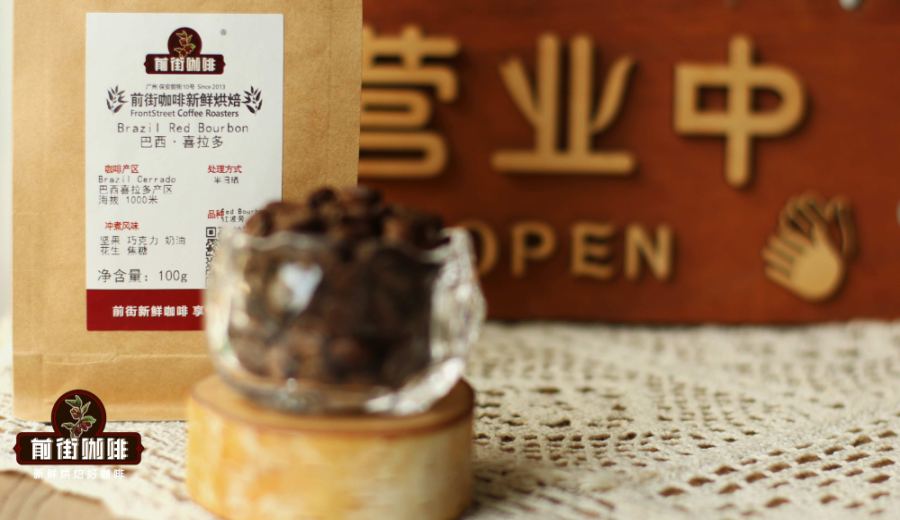
Introduction:An in-depth exploration of Brazil’s classification system as the world’s largest coffee producer, along with the characteristics of its major producing regions—from altitude, defect scoring to cupping flavor profiles—this piece comprehensively analyzes the quality assessment standards of Brazilian coffee. It also introduces well-known regions such as Cerrado and Mogiana, and recommends the highly popular Yellow Bourbon variety, helping you understand the neutral flavor traits of Brazilian coffee and its practical application scenarios.
Brazil is the leading country in global coffee production, and its coffee bean grading system and regional distribution are key concerns for many coffee enthusiasts and trade professionals. Not only does Brazil account for nearly 45% of the world’s green coffee supply, but its diverse regional environments and meticulous grading methods also give Brazilian coffee a significant position in the global market. This article will break down the grading logic of Brazilian coffee one by one—from altitude, major regions, defect deduction systems, bean size specifications, to cupping flavor classifications—and guide readers to get to know representative regions such as Cerrado and Mogiana, as well as the locally acclaimed Yellow Bourbon variety.
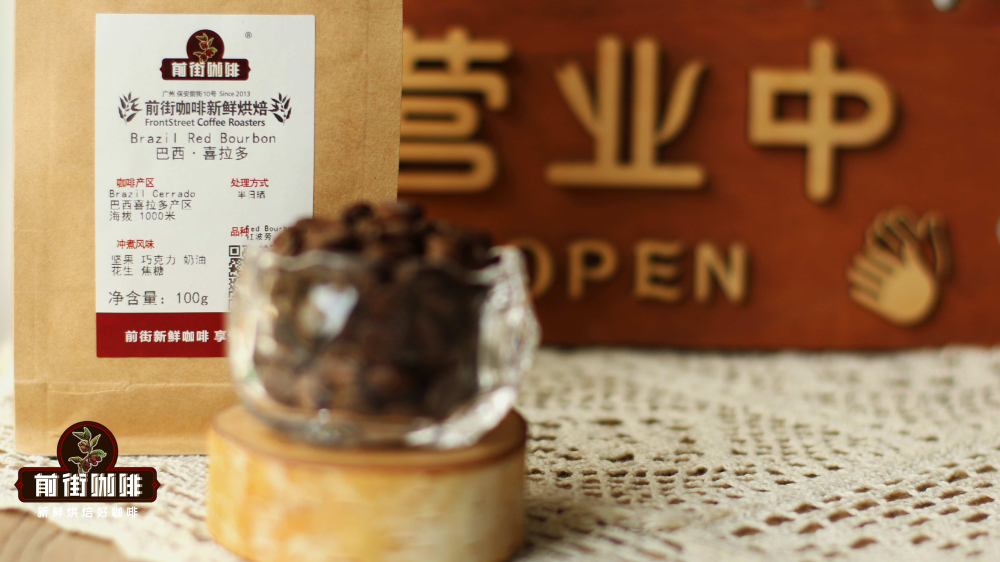
The coffee-growing environment in Brazil varies significantly due to its diverse terrain, though it is predominantly flat plains, with some areas belonging to the Brazilian Highlands. Generally speaking, Brazilian coffee is planted at altitudes mostly between600 and 1200 meters, which is relatively lower compared to nearby high-altitude regions like Colombia. However, this is precisely why Brazilian coffee generally features a neutral and balanced flavor profile, making it suitable as a base for blends, while also allowing its subtle characteristics to shine through when brewed via pour over. Due to the flat terrain, many regions adopt mechanical harvesting during harvest season, picking coffee cherries from the same branch all at once, which helps improve efficiency but also places higher demands on subsequent sorting.
Coffee production in Brazil is mainly concentrated in seven states, among which Minas Gerais is the highest-producing state, further subdivided into multiple sub-regions. Cerrado is the first Brazilian coffee region to receive origin certification, known for producing high-quality Arabica beans and is also one of the earliest regions in the country to commercialize coffee. The terrain here is mostly plateau-like, with a dry and stable climate that helps coffee cherries mature evenly. In addition, São Paulo state is home to both Santos and Mogiana, both with long histories. Among them, Mogiana, with its iron-rich red volcanic soil and relatively high-altitude planting environment, produces many specialty-grade coffees, especially the Yellow Bourbon variety grown by certain estates, which is particularly popular in the market.
When it comes to representative specialty coffees from Brazil, the Yellow Bourbon produced in the Mogiana region should not be overlooked. Take Queen’s Estate as an example, its planting altitude reaches1400 to 1950 meters, and it employs the natural (sun-dried) processing method. The green beans are carefully selected, resulting in a rich and layered flavor profile. When sipped, one can often perceive pronounced notes of dark chocolate, cream, peanuts, and caramel, with a full-bodied mouthfeel and a long-lasting aftertaste, making it a favored choice for many baristas when performing pour overs or single-origin extractions.
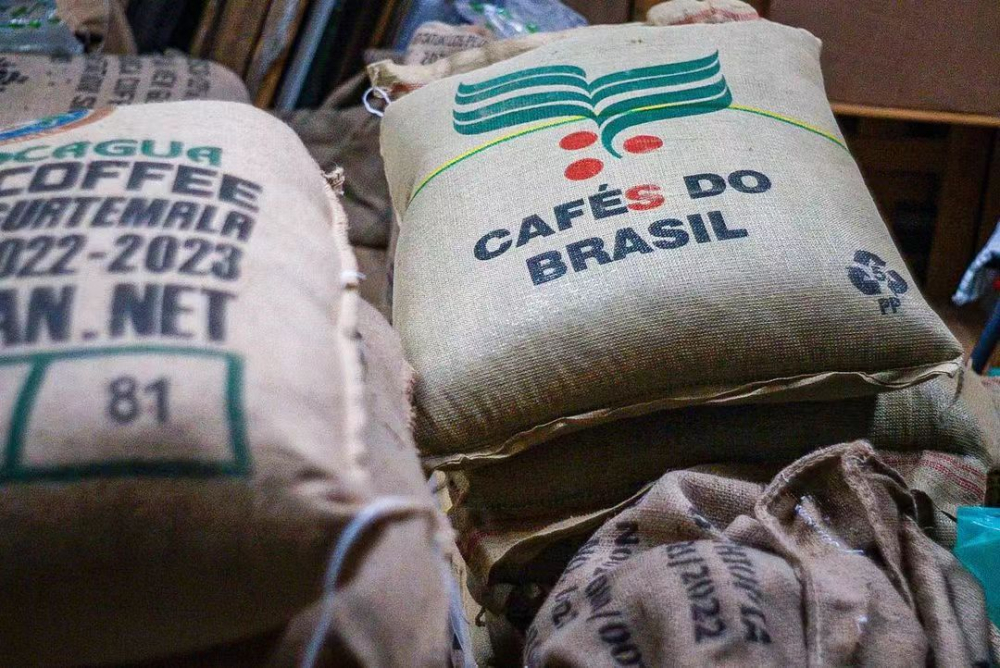
Due to the numerous producing regions in Brazil, with varying growing conditions and processing methods across areas, Brazil does not use a single grading system. Instead, it evaluates coffee based on multiple indicators comprehensively, includingthe number of defective beans, the size of green beans (screen size), and cupping flavor performance. The most common grading method is the “deduction system,” where the proportion of defective beans is calculated from a 300-gram sample of green beans, and grades are assigned accordingly. For instance, in the commonly seen label “NY.2SC – 17/18 FC Cerrado,” NY.2 refers to the New York grading standard—the smaller the number, the lower the defect rate. Grades with deductions of 4 or below can be classified as the highest grade, NY.2, since NY.1 requires zero defects, which is difficult to supply consistently in practice, thus NY.2 has become the de facto top tier.
The numbers 17/18 represent the screen size of the green beans as17 to 18 mesh(1 mesh equals 1/24 inch), which is considered a larger particle size and usually associated with higher quality. Additionally, cupping flavors are categorized with descriptors such as Soft (mellow), Hard (intense), and Rioy (with distinctive regional flavors). Among these, Strictly Soft (SC) denotes the smoothest and most balanced taste, symbolizing high quality. Cupping evaluations also assign final scores such as Fine Cup, Good Cup, Fair Cup, etc., with Fine Cup being the highest grade, indicating outstanding flavor performance and minimal defects.
It’s worth noting that in addition to these basic standardized grading parameters, many specialty coffee estates also provide more detailed information about the origin, such as specific altitude, processing method (e.g., natural, honey, or washed), variety, harvest year, and even the estate name. This helps consumers or traders gain deeper insights into each batch of coffee’s characteristics, thereby making more informed selections. For enthusiasts looking to explore the diversity of Brazilian coffee, understanding these grading details will aid in more purposefully seeking products that match their preferred flavor styles when choosing green or roasted beans.
The above content is compiled by CoffeeHunters, a coffee news website.


