








Introduction:Delve into the distinctive regional characteristics, flagship varieties, and the highly acclaimed barrel-aged fermentation process of Honduras, a major Central American coffee-producing nation. This article details the geographic environments and microclimates of six key regions, their influence on flavor profiles, and offers an in-depth look at the processing methods and pour over brewing recommendations for two notable barrel-aged beans—Sherry and Lychee Orchid. An essential guide for specialty coffee enthusiasts and those exploring unique processing methods.
Honduras, a mountainous country nestled in Central America, boasts not only breathtaking natural landscapes but also stands as one of the world’s important producers of specialty coffee. Since 2011, Honduras has surpassed neighboring Guatemala to become the top coffee producer in Central America. This article will take you on a deep dive into the background of Honduras’ coffee industry, the unique terroirs of its six main regions, and the country’s representative barrel-aged processed beans—including the highly praised Sherry and Lychee Orchid. From regional environments and variety characteristics to processing techniques and pour over advice, this is a comprehensive overview not to be missed.

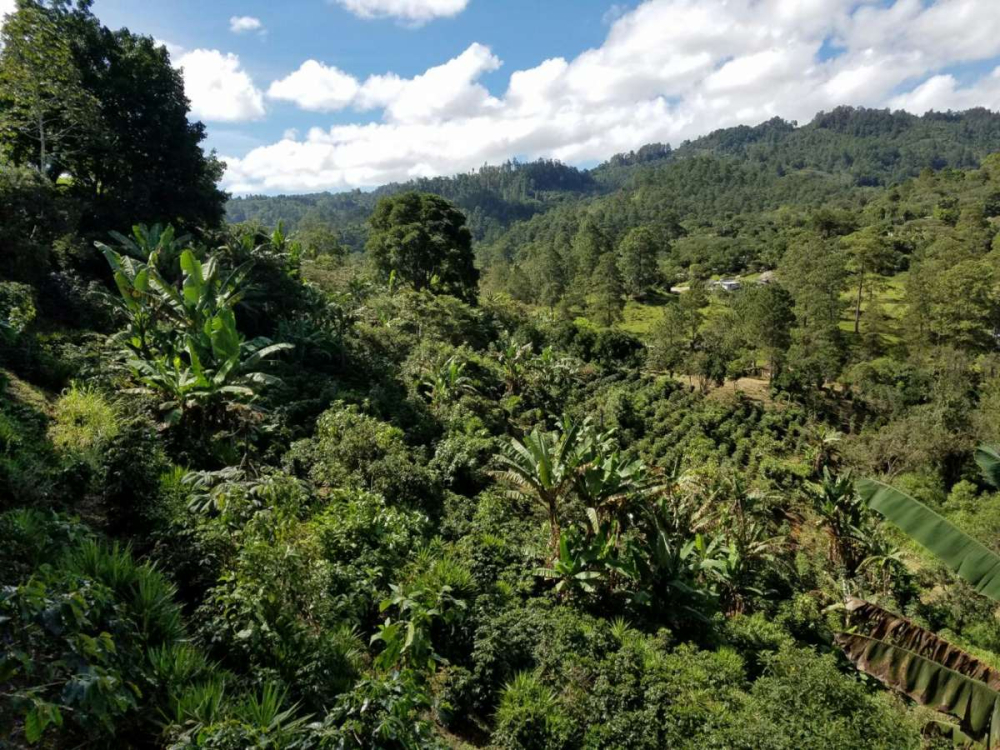
When discussing Honduran coffee, one must start with its geography. The country is surrounded by mountains, with over three-quarters of its area consisting of highlands and plateaus. Its mountain ranges generally run from west to east, forming numerous inland valleys, along with coastal plains near the Pacific Ocean and the Caribbean Sea. Honduras enjoys a typical tropical highland climate, with an average annual temperature of around 23°C and abundant rainfall, totaling approximately 1,300 to 2,300 millimeters per year—conditions highly favorable for coffee cultivation. Thanks to these exceptional geographic and climatic advantages, the country has gradually emerged as a significant player on the global coffee map.
However, coffee cultivation in Honduras started relatively late, with large-scale coffee plantations only beginning in the late 19th century. Although its natural environment is quite similar to that of neighboring countries like Guatemala and Nicaragua, poor transportation at the time—especially the weak links between production areas and ports—meant that Honduran coffee was unable to realize its full potential for a long time. In the early days, the country focused primarily on banana exports; in 1929, bananas accounted for over 80% of total export value, and the government favored the banana industry, which limited the development of coffee production.
It wasn’t until the 1960s, with growing international market demand and a shift in government policy, that coffee cultivation in Honduras gradually got back on track. In 1970, the Honduran Coffee Institute (IHCAFE) was established to promote technology, provide loans, and improve quality. Coupled with subsequent laws safeguarding the rights of coffee farmers, Honduran coffee transitioned from being mainly for domestic consumption to entering the international specialty market. Today, we can easily enjoy flavors from this origin through specialty channels.
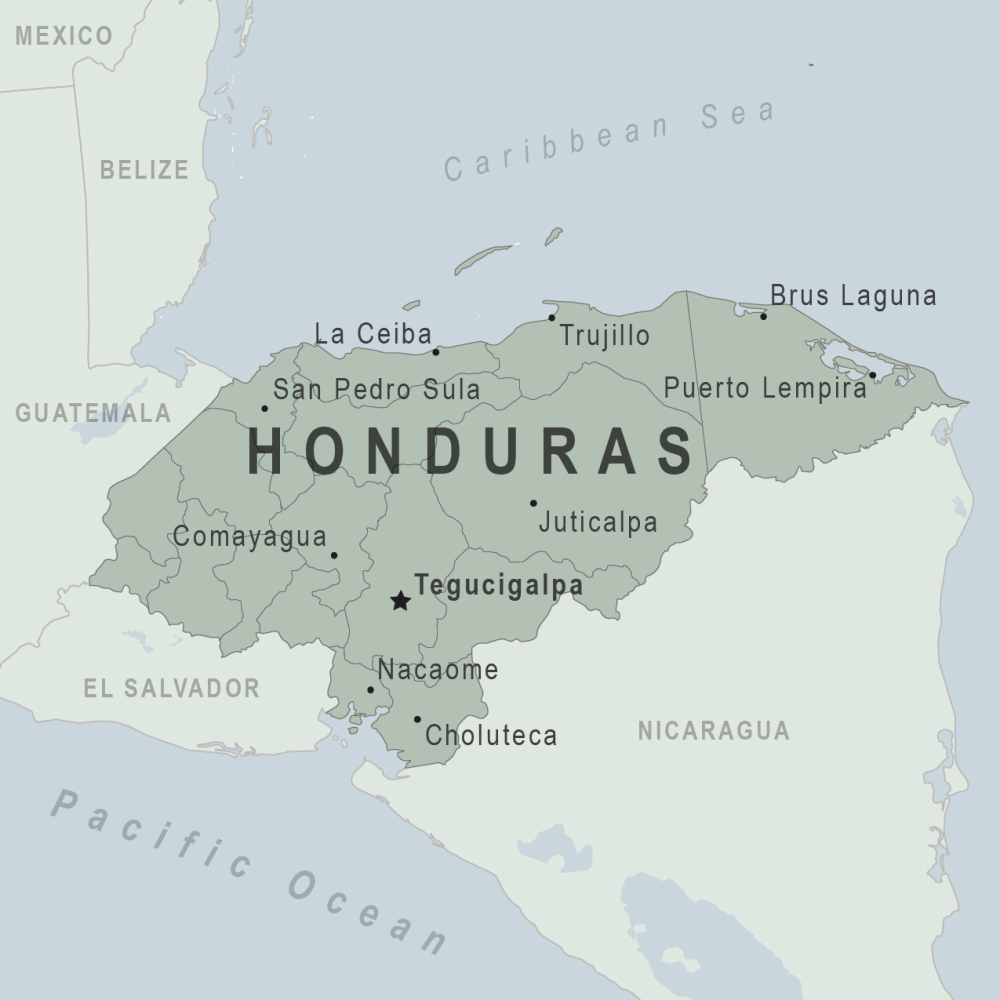
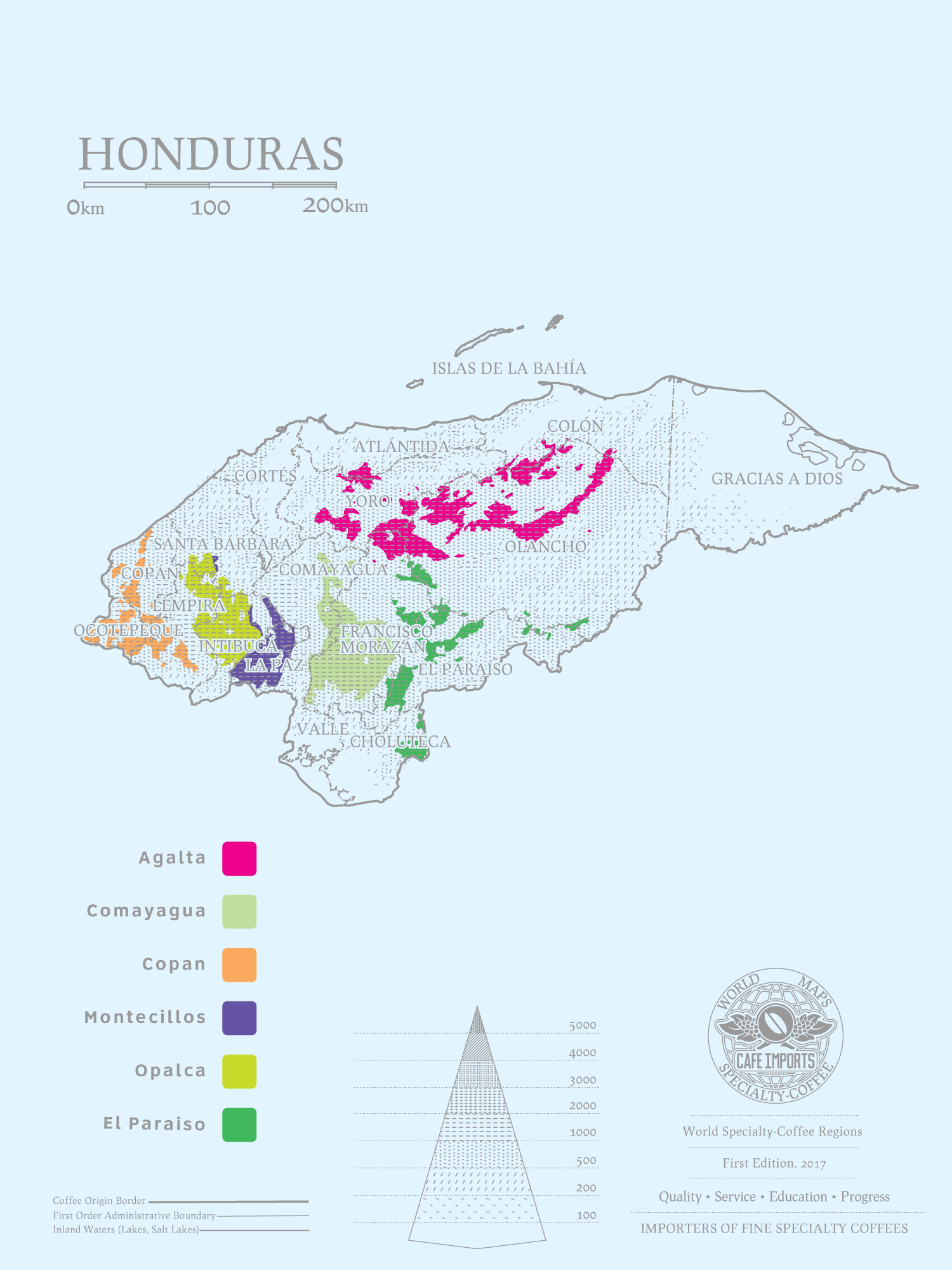
Coffee cultivation in Honduras is primarily concentrated in six regions: Copan and Opalaca in the west, Montecillos in the southwest, Comayagua in the central part, Agalta in the southeast, and El Paraiso in the south. Each region, due to differences in altitude, climate, and soil, produces coffee with uniquely distinct flavor profiles.
Foremost among them is the Copan region, bordering Guatemala, with planting altitudes ranging from 1,000 to 1,500 meters. It is the region with the greatest altitude variation in the country and the lowest temperatures, with nighttime lows reaching as low as 11.5°C. The main varieties include Bourbon, Caturra, and Catuai. The coffee produced here often features rich notes of chocolate, honey, and citrus, with a bold yet refined mouthfeel and a long-lasting finish.
The Opalaca region lies to the east of Copan, at altitudes of 1,100 to 1,500 meters, with similar varieties planted. The coffee here has a brighter profile, featuring tropical fruit, berry, and grape aromas reminiscent of African beans. It has a gentle acidity, a clean and balanced aftertaste, and a rather distinctive character.
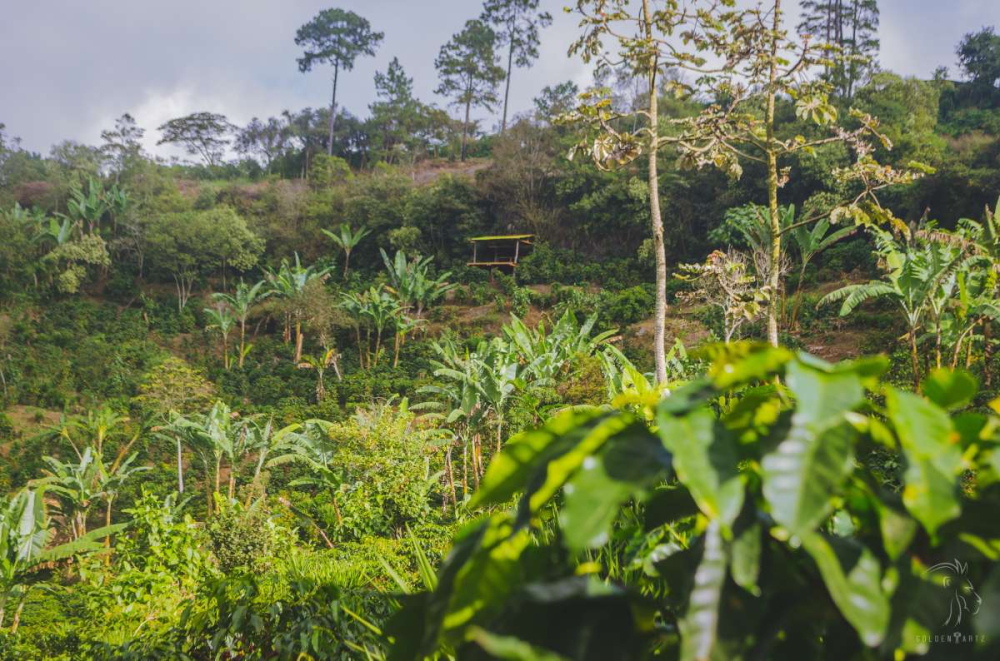
Montecillos is located in the southwest, bordering El Salvador, at even higher altitudes of 1,200 to 1,600 meters. Due to the lower nighttime temperatures, coffee cherries take longer to ripen, allowing the seeds to accumulate more flavor compounds. As a result, the coffee is sweet with rich aromas. Common notes here include peach and orange, with vibrant acidity and a silky-smooth mouthfeel, complemented by a long-lasting and captivating finish.
Comayagua is situated in the central part of the country, at altitudes of 1,000 to 1,500 meters. The varieties here include Typica, Bourbon, and some hybrid varieties. The coffee from this region is characterized by a pronounced lemon aroma, paired with sweet fruit tones and a creamy mouthfeel, along with layers of chocolate and citrus. The overall profile is rounded and full-bodied.
The Agalta region, located in the southeast at altitudes of 1,100 to 1,400 meters, grows varieties such as Bourbon, Caturra, and Typica. The coffee here exhibits tropical fruit and caramel aromas, with delicate acidity and a sweet aftertaste. It’s a must-try region for those who enjoy a balance of fruity and sweet flavors.
Finally, there is El Paraiso, situated in the south bordering Nicaragua, at altitudes of 1,000 to 1,400 meters. The coffee here has a gentler flavor profile, with soft fruit acidity, caramel, and nutty notes. The overall mouthfeel is well-balanced, making it suitable for everyday drinking.
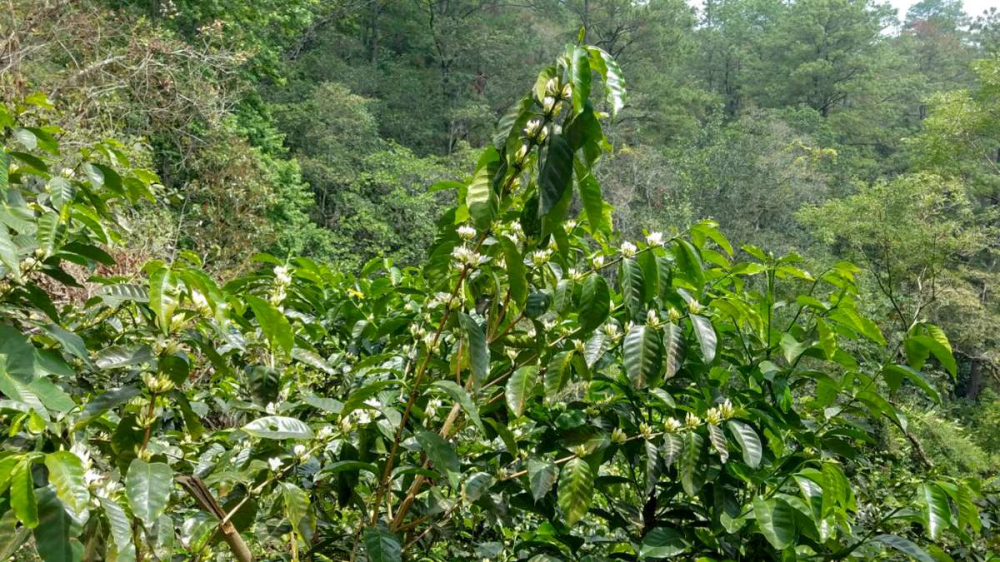
In terms of varieties, Honduras primarily grows Arabica, with Caturra and Catuai being the most common. Caturra is a natural mutation of Bourbon, known for its good acidity and aromatic expression. Catuai is a cross between Caturra and the Mundo Novo variety, offering strong disease resistance and stable yields. Pacas is also an important variety—it is a natural mutation of Bourbon, with a shorter plant height and high yield, and is well-suited to the local environment.
When it comes to the barrel-aged fermentation process, which has garnered much attention in recent years, Honduras’ Finca Mocha can be considered one of the pioneers. The estate is located in the Masaguara region, at altitudes of 1,500 to 1,700 meters, and grows varieties including Caturra, Catuai, and Pacas. Their two barrel-aged offerings—“Sherry” and “Lychee Orchid”—are standout examples. The former is fermented at low temperatures in whiskey barrels, while the latter is processed in brandy barrels. Both showcase intense wine-like notes and unique layers of aroma.
The barrel-aged fermentation process typically involves a delicate washed process first, after which the parchment coffee is placed into wooden barrels and fermented at a low temperature of around 15 to 20°C for 30 to 40 days, followed by shaded drying. This method imparts more complex aromas and textures to the coffee—such as vanilla, cream, berries, and chocolate—while the finish carries the distinctive sweetness and richness associated with alcoholic beverages.
For brewing suggestions, you may use a Hario V60 #01 filter cone, with water temperature around 90°C, 15 grams of coffee, a 1:15 coffee-to-water ratio, and a grind size recommended to achieve 80% extraction through a #20 sieve. Begin with a 30-second bloom using 30 grams of water, then pour in a slow circular motion until you reach 125 grams for the first pour. After the water level drops, continue pouring to 225 grams, then stop. The total brew time should be around 2 minutes.
In terms of flavor, “Sherry” presents upfront notes of vanilla and cream, followed by layers of whiskey, berries, almonds, and dark chocolate upon tasting. The finish offers a sweet maple-like sensation. Meanwhile, “Lychee Orchid” showcases aromas of cream, honey, and lychee, with a rich and sweet mouthfeel. The wine-like character becomes even more pronounced as the cup cools, making it an excellent choice for coffee lovers who enjoy bold wine notes and intense flavors.
The above content is compiled by CoffeeHunters, a coffee news website.


