







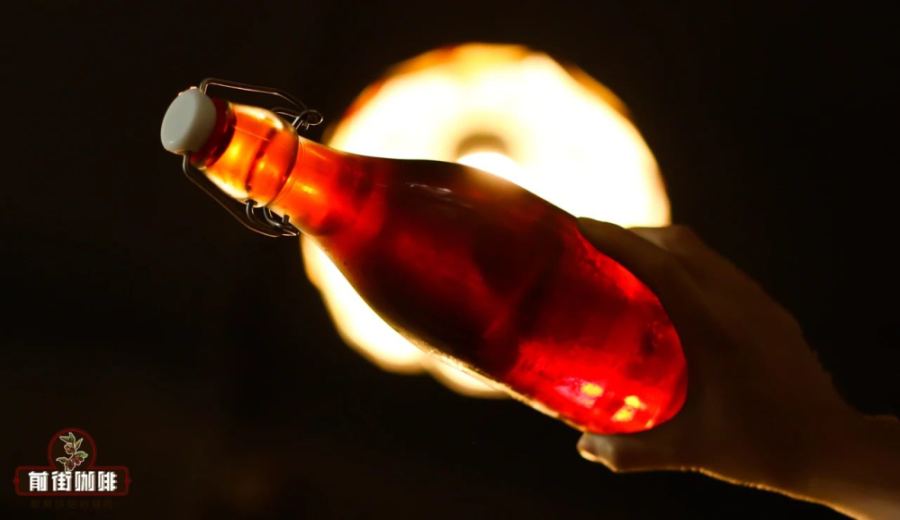
Introduction:Cold brew coffee (Cold Brew), known for its simple preparation and smooth flavor, has become the go-to choice for iced coffee in the summer. This article will take you deep into the brewing principles of cold brew, beginner-friendly coffee-to-water ratios, recommended coffee bean selection tips, and provide a complete step-by-step guide for home brewing, complete with helpful illustrations. Not only will it clarify common questions such as grind size, acidity control, and shelf life, but it will also help you use the most basic tools to brew a refreshing, fruity cold brew coffee.
Among the many methods of making iced coffee, Cold Brew stands out for its ease of use and smooth flavor. With no need for complicated equipment, you can easily make it at home using common household items like glass bottles or airtight jars. This article not only teaches you how to make cold brew coffee using a simple method, but also takes the 1:10 coffee-to-water ratio as an example, detailing the steps, precautions, and analyzing the characteristics of coffee beans that are suitable for cold brew through practical cases, helping you fully master this low-temperature slow extraction brewing technique.
Beyond the basic method, we’ve also compiled common questions about cold brew coffee, including whether its caffeine content is relatively high, whether light roast beans can be used, how to store it properly, and how it differs from cold drip coffee. This helps clarify concepts and avoid common mistakes. Even if you’re trying cold brew for the first time, you can quickly get the hang of it and brew a cup with balanced acidity and sweetness, and long-lasting aroma.
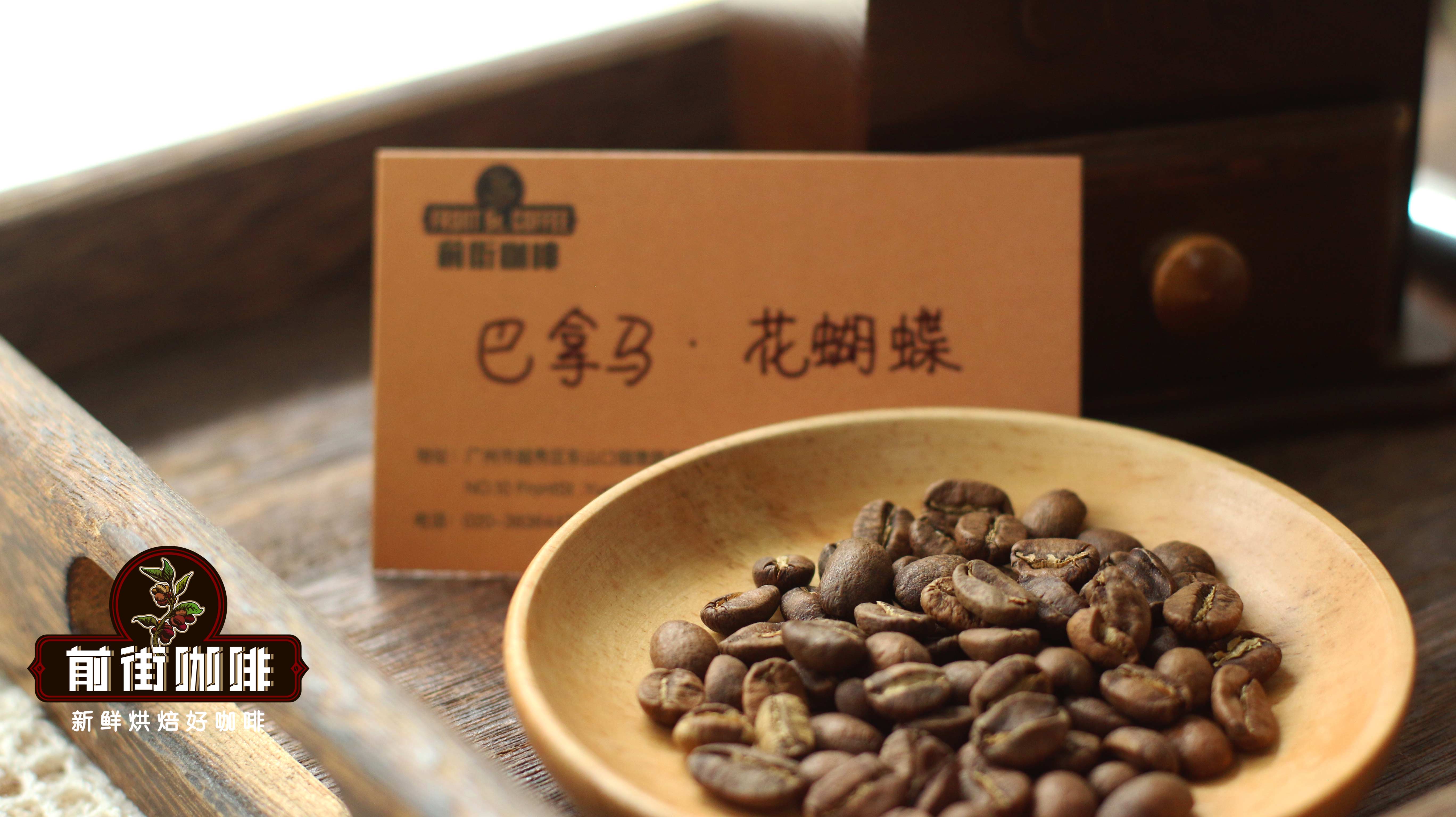
Preparing the materials is very simple: about 50 grams of coffee beans (medium to dark roast or beans with fruity characteristics are recommended), 500 milliliters of room temperature water, and an airtight glass container. First, grind the coffee beans into slightly coarse particles. It’s suggested to test with a No. 20 sieve, with a pass rate of about 65%—a coarseness similar to sea salt grains is ideal. This helps extend the extraction time while avoiding the over-release of bitter substances.
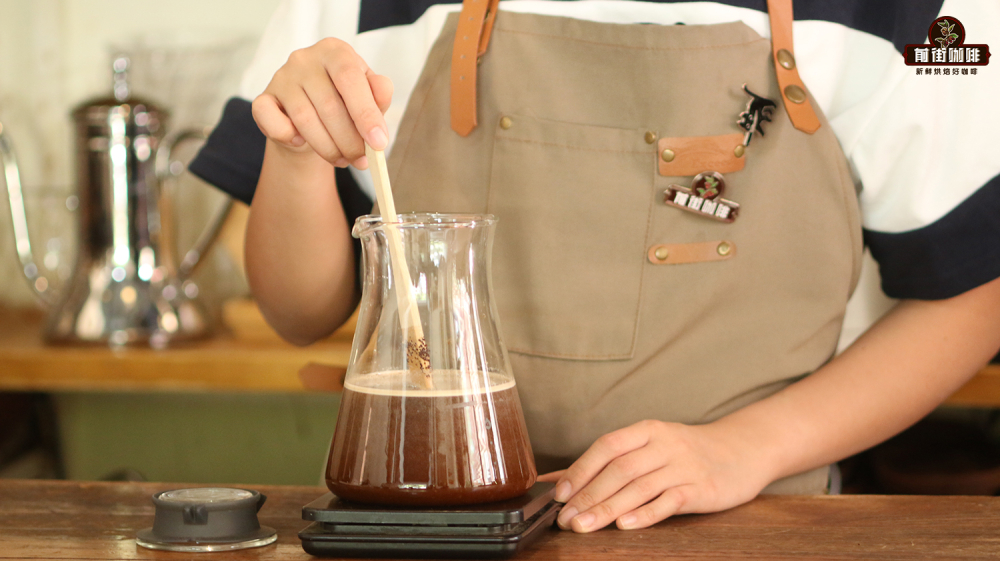
Next, pour the ground coffee into the glass bottle, slowly add room temperature water, and gently stir while pouring to ensure every coffee particle is saturated. Once done, tightly seal the bottle cap and place it in the refrigerator for 12 to 14 hours. This low-temperature slow extraction process helps fully extract the flavor compounds from the coffee while reducing the release of tannins and acidity, resulting in a smoother taste.
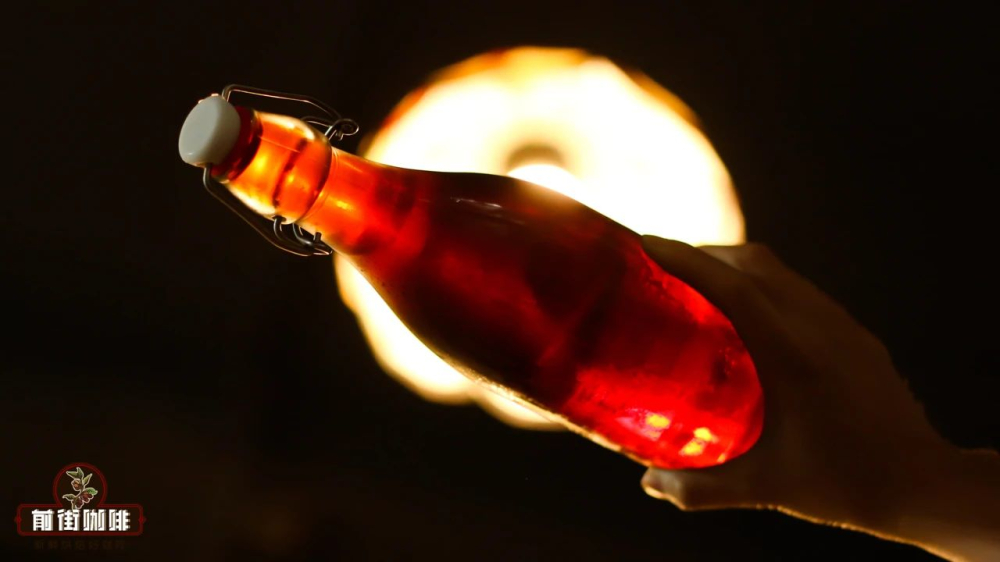
Once the time is up, use filter paper or a fine mesh sieve to filter out the coffee grounds, leaving behind clear coffee liquid. This cold brew coffee, extracted at a 1:10 ratio, has relatively less water, so its overall flavor is richer compared to regular brewing methods, especially with prominent fruitiness and sweetness. It’s great for drinking straight or adjusting the strength by adding ice cubes according to personal taste. It is recommended to consume it within two days after brewing for the best flavor.
The benefits of cold brew coffee are numerous. First, it retains more water-soluble aromatic compounds—these aromas that tend to evaporate during hot water brewing are preserved during cold brewing, making the aroma closer to what you experience when grinding the beans. Second, due to the low-temperature extraction, bitterness is greatly reduced, and the flavor is rounder, even with a hint of wine-like complexity. Additionally, making it yourself allows you to use higher-quality coffee beans and is more economical in the long run. At the same time, you can also make use of existing coffee beans or blends at home. The leftover coffee grounds are also a great natural deodorizer, useful for refrigerators or shoe closets.
In response to common reader questions, here are detailed answers: While commercial cold brew coffee packs are convenient, since the coffee powder has been sitting in the packaging for some time, some of the delicate aromas have already dissipated and cannot compare with freshly ground cold brew. Properly stored cold brew coffee in a sealed container can last for several days in the fridge—it is recommended to use glass jars or lidded containers to prevent flavor loss. If you prefer coffee with lower acidity, opt for medium to dark roast beans or those with special processing methods like wet-hulled or monsooned, which can effectively suppress excessive fruit acid release. As for grind size, there’s no need to grind too finely—adjust to a medium-coarse level similar to hand drip, as too fine a grind may lead to over-extraction. The difference between cold brew and cold drip coffee lies in the fact that the former involves soaking coffee grounds in cold water and then filtering, resulting in a softer and richer aroma; the latter involves dripping icy water drop by drop for extraction, taking longer and producing more noticeable fermentation flavors. Lastly, caffeine content mainly depends on the coffee bean variety itself—cold brew may extract slightly less caffeine than hot water brewing, but it still provides a stimulating effect.
In summary, cold brew coffee is a low-barrier, high-reward brewing method. Without the need for expensive equipment, as long as you master the coffee-to-water ratio, brewing time, and appropriate bean selection, you can enjoy a uniquely flavored iced coffee at home. Whether you’re a coffee novice or a connoisseur, you can use this method to discover a cold brew coffee that suits your taste.
The above content is compiled by CoffeeHunters, a coffee news website.


