








Introduction:Cold drip coffee, with its low-temperature slow extraction method, brings out rich yet smooth flavors, making it an excellent choice for summer beverages. This article delves into the principles and procedures of cold drip brewing, introduces the components and usage techniques of a cold drip maker, and shares key extraction parameters such as grind size, coffee-to-water ratio, and flow rate settings through practical examples. It also recommends four major categories of coffee beans based on different flavor preferences, helping coffee enthusiasts easily brew their ideal cold drip coffee at home.
Cold drip coffee is a brewing method where ice water slowly drips through a bed of ground coffee at a steady rate, extracting flavors over a long period. Compared to high-temperature, fast extraction methods, the low-temperature environment reduces the release of bitter substances while extending extraction time to allow for a fuller release of aromatic compounds, resulting in a rich and clean taste without harshness. Especially during hot seasons, served over ice, it offers a refreshing coffee experience.
The principle behind cold drip coffee involves ice water continuously and evenly dripping through coffee grounds, using gravity and time to gradually dissolve the flavors. This ambient-pressure, low-temperature extraction method, also known as Dutch Coffee, belongs to the same family of low-temperature extractions as the commonly known Cold Brew, both using time to unfold layers of flavor.

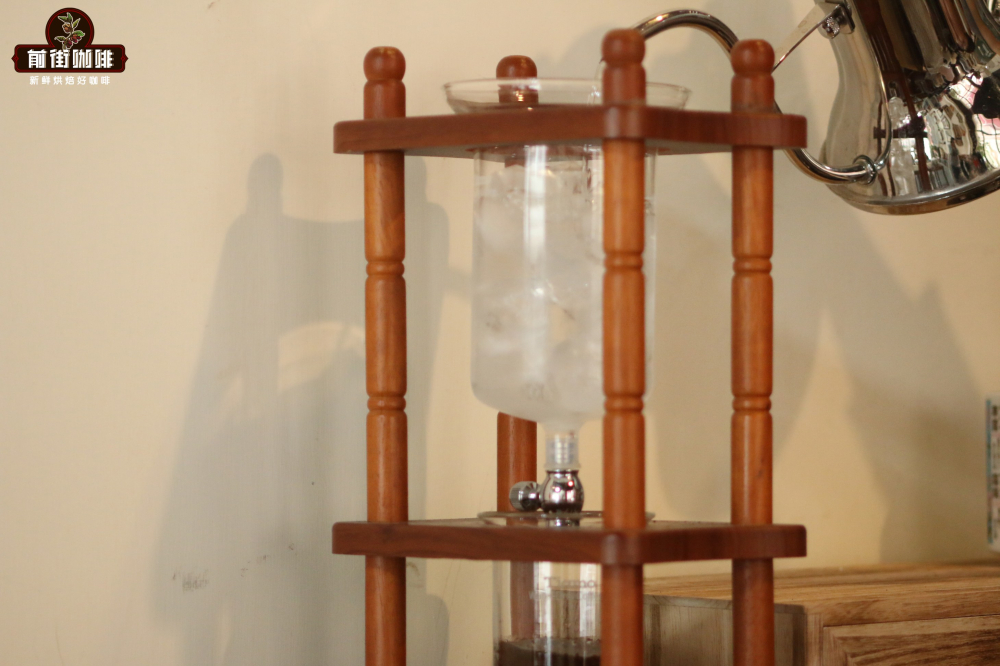
To perform cold drip extraction, it’s first essential to understand the basic structure of a cold drip maker. Typically, commercially available cold drip makers consist of three main sections: the top chamber, the middle chamber, and the bottom chamber, further divided into four key components: the top chamber holds the ice water; in the middle is a valve that controls the flow rate; the middle chamber contains the ground coffee, with a filter hole at the bottom; the bottom chamber collects the finished coffee. This structural design ensures that water drips through the coffee layer at a consistent rate, achieving even extraction.
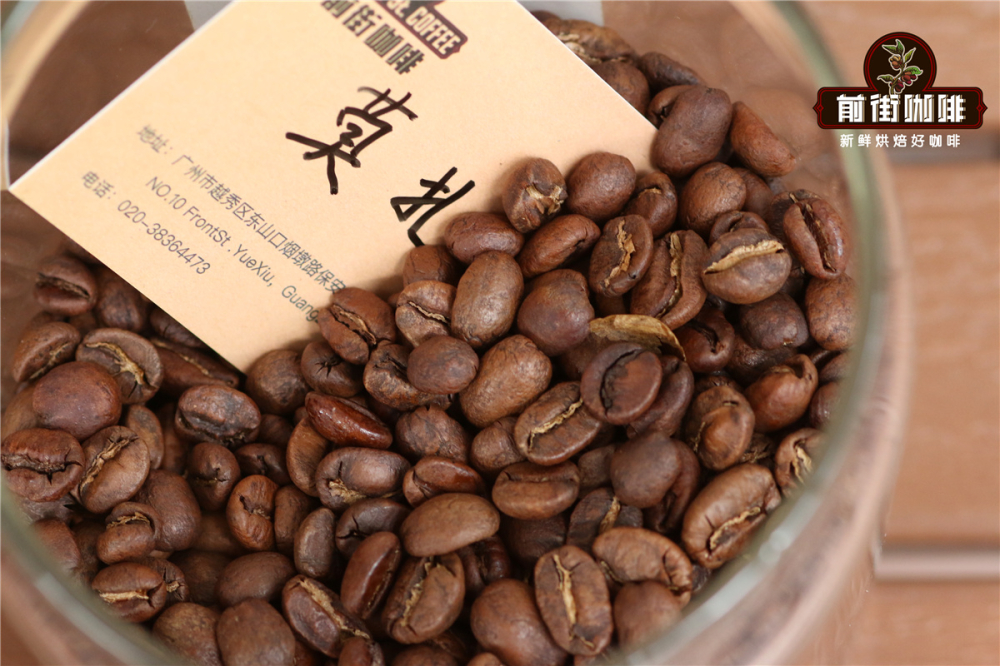
This demonstration uses Costa Rican Mozart beans, which are processed using a raisin anaerobic honey method, featuring distinct notes of raisin, osmanthus, and fruit fermentation. It’s especially suitable for cold drip preparation. After cold dripping, its fermented character becomes even more pronounced, with a rich and distinctive flavor profile.
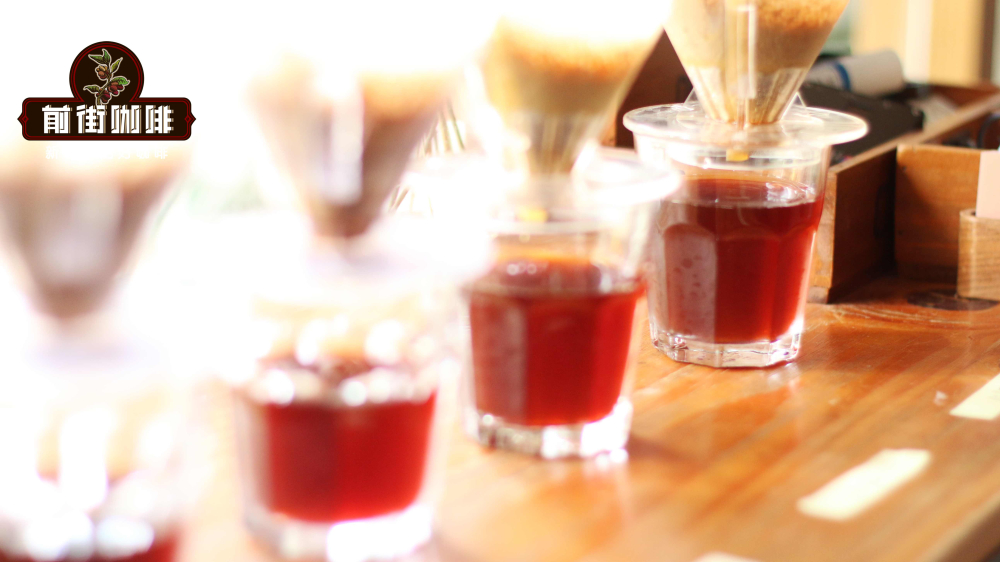
Regarding grind size, it’s recommended to refer to settings used for ice pour-over, using a slightly finer grind to compensate for the reduced extraction efficiency caused by the low-temperature water. For example, using a No. 20 sieve commonly used in China, the passing rate is about 85%, equivalent to the 9 setting on the ek-43s grinder. This grind size helps increase the surface area contact between water and coffee grounds, making it easier for flavor compounds to be released.
The recommended base extraction parameters are as follows: a coffee-to-water ratio of 1:10, meaning 60 grams of coffee grounds yield 600 grams of coffee liquid; the ice-to-water ratio is suggested to be 1:1, and the flow rate should be controlled at 7 drops per 10 seconds, with the entire process taking approximately 6 to 8 hours. Please note that the flexibility range for the coffee-to-water ratio is 1:10 to 1:12, which can be fine-tuned according to personal taste.
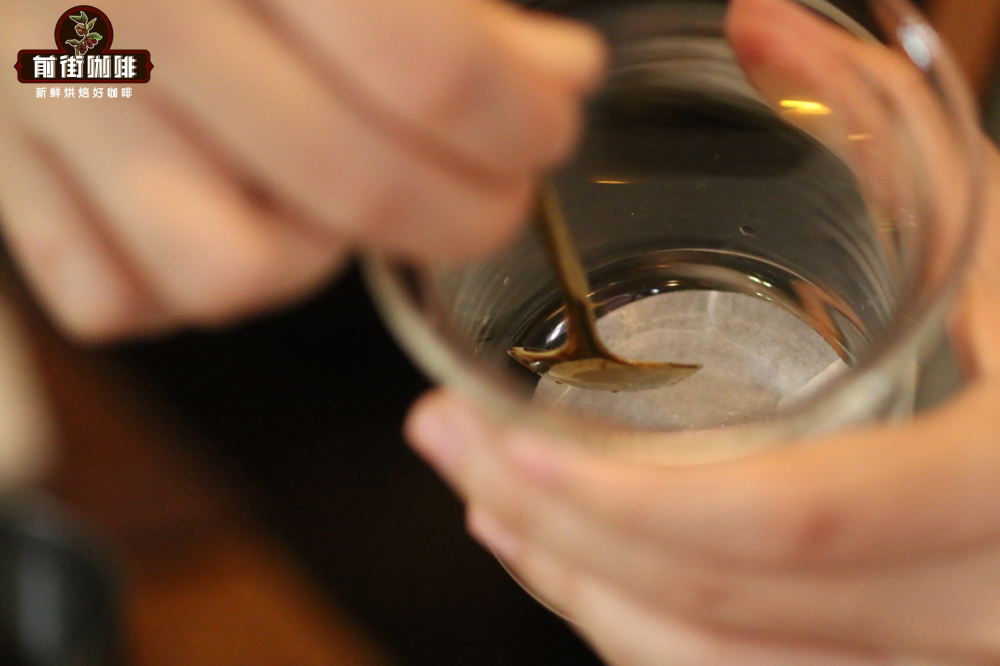
During operation, start by placing a round filter paper at the bottom of the middle chamber and wetting it to adhere. Then evenly pour the ground coffee and gently press it flat to ensure an even layer thickness. Place another filter paper on top to prevent the water drops from directly impacting and dispersing the coffee layer. Before the initial water injection, it’s advisable to use cold water to pre-wet the coffee layer, which helps uniformly initiate the extraction reaction and shortens the overall time.
After placing the coffee chamber on the stand, slowly pour the pre-mixed ice water mixture (recommended to be half ice cubes and half room temperature water), adjust the valve so that the water drips at a stable rhythm of 7 drops per 10 seconds, and keep the dripping point aligned with the outlet to maintain extraction stability. After extraction is complete, pour the coffee liquid from the bottom chamber into a sealed glass container. It’s recommended to refrigerate and let it sit for at least 12 hours to allow the flavors to further integrate. It can then be enjoyed the next day.
After refrigeration, especially when using beans with fermented processing methods such as the Mozart coffee, the cold drip coffee can exhibit intense wine-like aromas along with sweet-and-sour notes of berries and pineapples. The texture is rich and smooth, and when served over ice, it resembles a uniquely flavored iced fruit wine.
When selecting coffee beans suitable for cold drip, it’s recommended to prioritize those with distinctive flavor profiles. For example, beans with tropical fruit and fermented wine notes, such as Costa Rican Mozart, Colombian Geisha, or Strawberry Candy coffee, all offer rich fruity and fermented layers, making them ideal for those who enjoy bold flavors. These types of beans perform excellently whether used for cold drip or ice pour-over.
If you prefer a refreshing flavor, consider choosing washed-processed beans from Central America or Africa, such as Kenyan Little Tomatoes, Ethiopian Guji Dingding, or Panamanian Flower Butterfly. These coffees typically exhibit bright acidity reminiscent of cherry tomatoes or grapefruit, with a clean and bright mouthfeel, making them very suitable for summer consumption.
Dark-roasted beans, such as Indonesian Golden Mandheling or Brazilian Queen Estate, are often thought to be unsuitable for cold drip. However, they can actually showcase different characteristics. Golden Mandheling, when cold dripped, offers intense chocolatey sweetness and fermented aromas, completely free of bitterness; while Queen Estate presents a smooth texture reminiscent of nuts and cream, and adding ice enhances its creamy mouthfeel.
Additionally, cold drip coffee is also well-suited for flavor blending, by mixing single-origin beans from different regions or with different processing methods to create a more layered and complex cup. For example, pairing Mozart with Red Cherry or combining Geisha with Kenyan beans can yield surprisingly composite flavors, definitely worth experimenting with for enthusiasts.
Finally, regardless of the flavor type chosen, the freshness of the coffee beans is key. It’s recommended to use beans roasted within 5 days to achieve the best flavor performance. By adjusting parameters such as grind size, coffee-to-water ratio, and flow rate, every coffee enthusiast can find the cold drip coffee recipe that best suits their personal taste.
The above content is compiled by CoffeeHunters, a coffee news website.


