







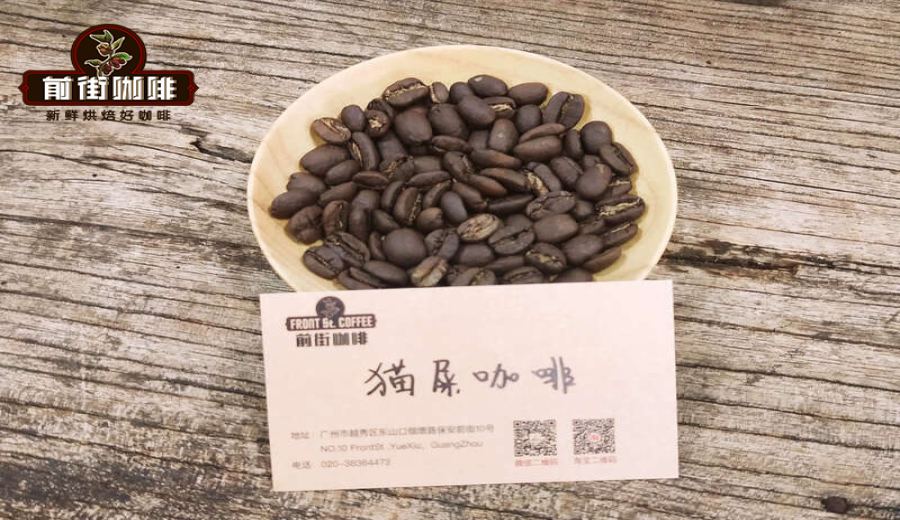
Introduction:Kopi Luwak, recognized as one of the most controversial coffees in the world, has sparked widespread discussion due to its unique post-harvest processing and animal ethics concerns. This article delves into the scientific principles behind civet digestion fermentation, explaining how it contributes to its distinctive flavor profile. It also introduces the background of its original production region in Sumatra, Indonesia, and provides professional-grade roasting and pour over parameters. Additionally, several high-value, ethical alternative beans with diverse flavor characteristics are curated to help coffee enthusiasts make choices based on their taste preferences.
Kopi Luwak, scientifically known as Kopi Luwak, is an exceptionally talked-about item in the global coffee market. The uniqueness of this coffee lies in its processing through the digestive system of the civet (Luwak), which imparts an unusual flavor profile to the beans. However, this method is highly controversial due to animal welfare issues. This article will focus on its scientific background, flavor origins, and regional characteristics, while discussing professional roasting and brewing techniques, and recommending several high-quality and more ethically sound alternatives.
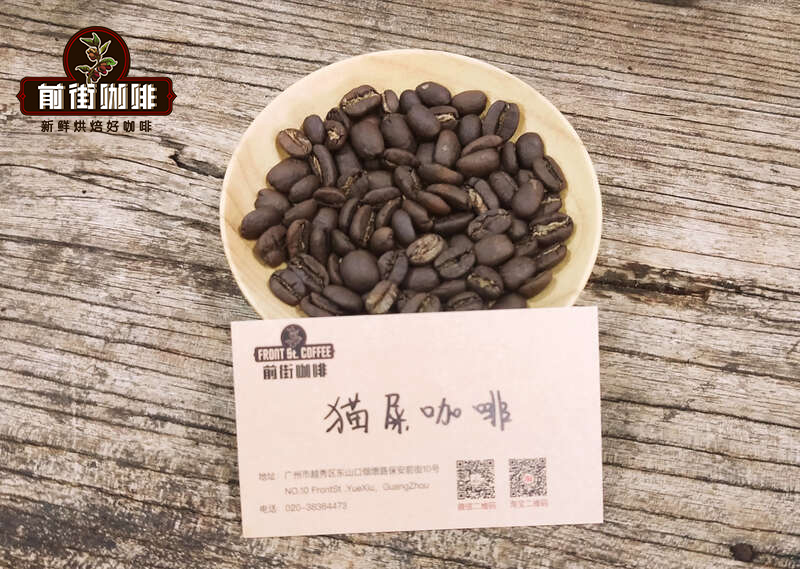
So-called "cat poop coffee" actually refers to coffee beans that have been consumed by civets, then processed by enzymes and stomach acid in their digestive tract, and finally excreted in feces. This process involves a combination of acidic environments, enzymatic breakdown, and microbial fermentation. The civet’s digestive system partially breaks down the fruit pulp and mucilage surrounding the coffee bean, and alters the internal protein structure of the bean through stomach acid and enzymes, which is believed to help form unique aromatic precursors.
Some believe that civets select only the ripest and most flawless coffee cherries to eat, thereby enhancing the base quality of the beans. However, this assumption relies on the premise that civets can freely choose their food. In reality, civets are omnivorous animals whose primary diet consists of insects and small vertebrates, with coffee cherries being only an occasional by-product. Therefore, only civets foraging freely in natural environments are likely to prioritize ripe, high-quality coffee fruits.
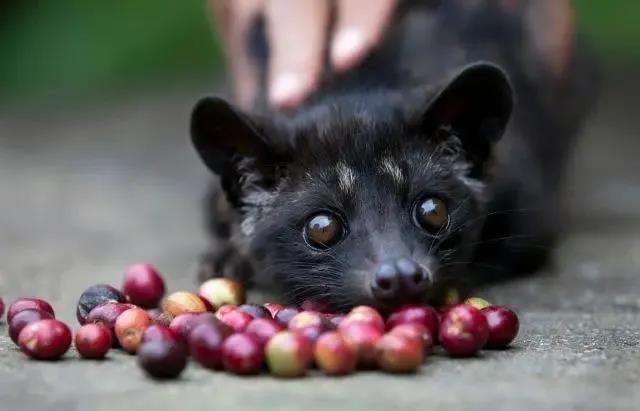
Traditionally, residents in the mountainous regions of Sumatra, Indonesia, would collect feces from wild civets in the wild, pick out the undigested coffee beans, and process them through cleaning, drying, and roasting to produce coffee. This type of naturally collected Kopi Luwak was mostly for local use or low-cost trade in earlier times. However, as international markets began to prize its rarity, some unscrupulous operators started confining civets in cramped spaces and force-feeding them unripe or artificially flavored coffee cherries solely to boost yield and achieve specific flavors. This led to deteriorating animal health and severely damaged the ethical image of this type of coffee.
In terms of flavor, since most civets live in low-altitude tropical and subtropical regions below 2,100 meters, where Robusta varieties are commonly cultivated, Kopi Luwak often carries earthy and herbal baseline notes. Moreover, influenced by the unique internal environment, its brewed profile tends to be rich and thick, with a syrupy smooth texture, notable body, and low acidity.
The so-called "in-body fermentation process" theoretically involves enzymes and the acidic environment in the civet’s digestive tract breaking down the protein structure of the coffee beans, thereby altering the flavor. However, observations show that civets typically expel the beans within just one to two hours, a timeframe too short to induce significant biochemical changes. As a result, some industry experts believe that actual flavor differences may stem more from bean selection conditions, processing procedures, and subsequent roasting methods, rather than from in-body fermentation alone.
Regarding the origin, Sumatra, Indonesia, is the main birthplace of Kopi Luwak. The region features a humid climate and significant day-night temperature variations, suitable for coffee tree growth, though predominantly of the Robusta variety. With elevations mostly in the mid-to-low range, it may not be the first choice for coffee lovers seeking bright acidity and complex aromas, yet it is the cradle of this unique processing method.
For roasting recommendations, medium-dark to dark roasts are preferred, as they help highlight the coffee’s full-bodied character and reduce excessive herbal notes. Suggested reference parameters are as follows: using a medium to large hot-air or drum roaster, such as the Yangjia 800N, with an inlet bean temperature controlled around 160°C, a turning point at approximately 1’28”, and gradual adjustments to heat and air damper settings based on bean surface changes. First crack typically begins around 9’15”, and it is recommended to continue roasting for 4’25” after first crack until reaching 203°C for a stable flavor profile and well-developed complexity.
As for pour over suggestions, a KONO filter cone can be used with a medium-coarse grind (approximately 75% passing through a #20 sieve), and water temperature maintained between 86–87°C. A 1:15 powder-to-water ratio is advised, using a step extraction method: start with a 30-second bloom using 30 grams of water, then slowly pour up to 125 grams for the first pour, followed by additional pouring to a total of 225 grams once the water level drops slightly. Total extraction time should be kept to around 2 minutes, helping to present its full-bodied, herbaceous, nutty, and fermented aromatic complexity.

In terms of overall flavor profile, Kopi Luwak is commonly described as featuring herbal, nutty, dark chocolate, and fermented notes, with a thick, smooth mouthfeel and distinct layers. However, given its animal ethics controversy and high price, many coffee professionals suggest that consumers might consider other high-quality and more sustainable alternatives.
For example, those who prefer floral and fruity acidity profiles may opt for Panama Geisha; those who enjoy bright acidity with black tea and berry notes might find Ethiopia Huika a great choice; if you lean toward balanced nutty and caramel flavors, Brazilian beans offer a stable and smooth profile; and for enthusiasts still wishing to experience the full-bodied characteristics of Indonesian coffee, it is recommended to choose Golden Mandheling (from Gayo Mountain), which undergoes multiple hand-sortings with extremely low defect rates, offering clear aroma and sweet aftertaste, along with relatively better cost performance.
These alternative bean varieties not only preserve a rich variety of flavors but also uphold ethical sourcing and sustainable production ideals, allowing coffee lovers to enjoy delicious brews while supporting a more responsible industry model.
The above content is compiled by CoffeeHunters, a coffee news website.


