







Category: Coffee Knowledge

Major Shareholder Shift at Starbucks China: Full Breakdown of New JV Operated by Boyu Capital with 60% Stake
The long-awaited equity transaction for Starbucks’ China business has finally been finalized. Boyu Capital, with a significant 60% stake, has formed a new joint venture company with Starbucks to oversee retail operations in the Chinese market. This move not only reflects a strategic adjustment by Starbucks but also introduces new variables to the Chinese coffee market. This article provides an in-depth analysis of the deal’s details, ownership structure, and explores future directions—keeping you informed on Starbucks’ next steps in China. [more…]
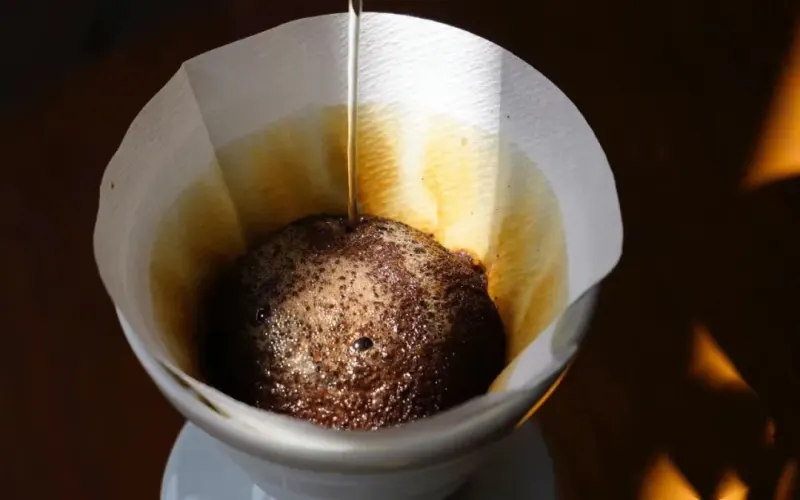
The Science Behind the Bloom Bloom in Pour Over Coffee: Analyzing the Impact of Freshness, Roast Level, and Brewing Parameters
When brewing pour over coffee, the size of the bloom bloom — the initial puff that forms on the coffee bed during the blooming phase — often holds important clues about the bean’s freshness, roast level, and current extraction status. While the size of the bloom bloom is not directly tied to the flavor profile of the coffee, it can indeed help you assess whether the beans are in optimal condition and if your brewing parameters are appropriately set. This article will delve into the factors that influence the behavior of the bloom bloom and teach you how to correctly interpret these “gas signals.” [more…]
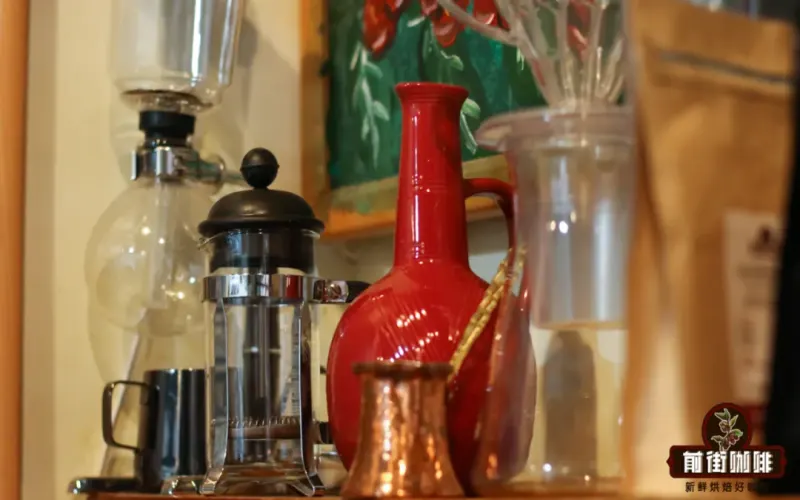
Why is pour over coffee the top single-origin choice in coffee shops? Six key advantages explained
When you walk into a coffee shop and order a drink, single-origin coffee is almost always served via pour over. Why not a siphon or French press? The reason lies in a combination of advantages. Pour over excels in six dimensions—flavor expression, ease of operation, serving efficiency, parameter control, versatility in brewing styles, and visual experience. This article delves deep into these strengths to help you understand why pour over has become the mainstream brewing method for single-origin beans in coffee shops. [more…]
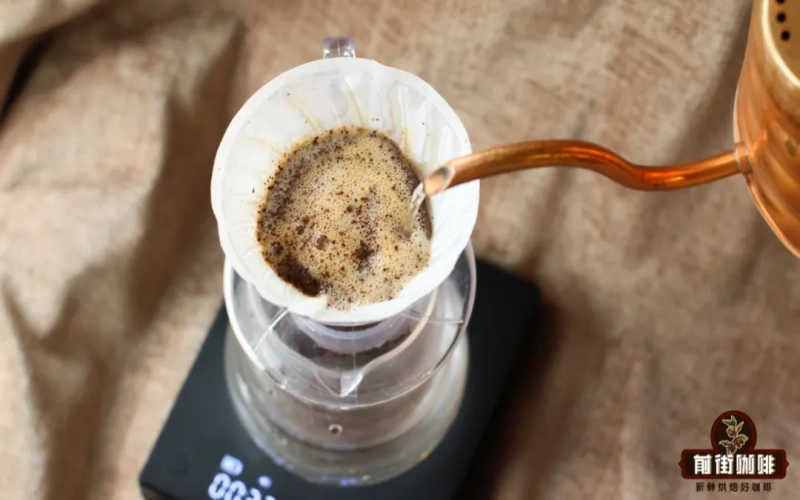
Pour Over Coffee: Segmental Pouring Techniques – A Practical Guide to Optimizing Extraction and Flavor Performance
Segmented pouring is a key technique in pour over brewing that enhances extraction uniformity and flavor complexity. This article delves into its three core principles: extending brew time, improving extraction efficiency, and minimizing channeling. It also offers practical advice on adjusting the number of pouring segments based on different coffee bean characteristics, grind sizes, and brew ratios. Whether you're a beginner or an advanced home brewer, you’ll learn how to use scientific pouring methods to bring out richer, more balanced flavors from your coffee. [more…]
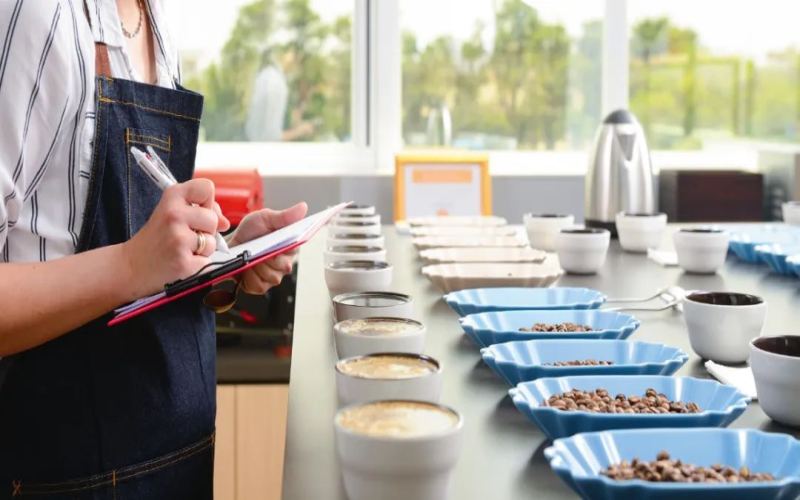
What’s the difference between specialty coffee and commercial coffee? SCA cupping scores and flavor analysis
The difference between specialty coffee and commercial coffee often causes confusion — where exactly does the 80-point cupping score standard come from? Is specialty coffee really as exceptional as the legend says? This article takes you back to the source to clarify the definition of Specialty Coffee, analyzes how the SCA cupping system is practically applied, and debunks common misconceptions about origin grades and bean appearance, helping you choose coffee beans more wisely. [more…]
How is specialty coffee flavor evaluated? A beginner's guide to the 7 key cupping dimensions
When faced with a dazzling array of coffee bean products, have you ever been puzzled by what merchants mean when they talk about "fruity, floral, or tea-like" notes? This article delves into the seven common evaluation dimensions in professional cupping, from aroma, acidity, and cleanliness to aftertaste, step by step guiding you on how to assess a cup of coffee from a professional perspective. Whether you're a beginner or an advanced enthusiast, you can gain practical tasting skills from it. [more…]
Beginner's Guide to Pour Over Coffee: A Complete Breakdown of Grind Size, Water Quality, and Parameter Settings
Struggling to replicate café-quality coffee at home? This article delves into the key factors that influence the quality of your pour over coffee—from bean consistency, brew parameter settings, to precise control over water quality and grind size. It provides practical details on common metrics such as water pH and TDS ranges, as well as how to calibrate grind uniformity using standard sieves, helping you easily brew richly layered, high-quality coffee. [more…]
Complete Guide to Pour Over Coffee Bloom: Master This Step to Enhance Aroma and Complexity
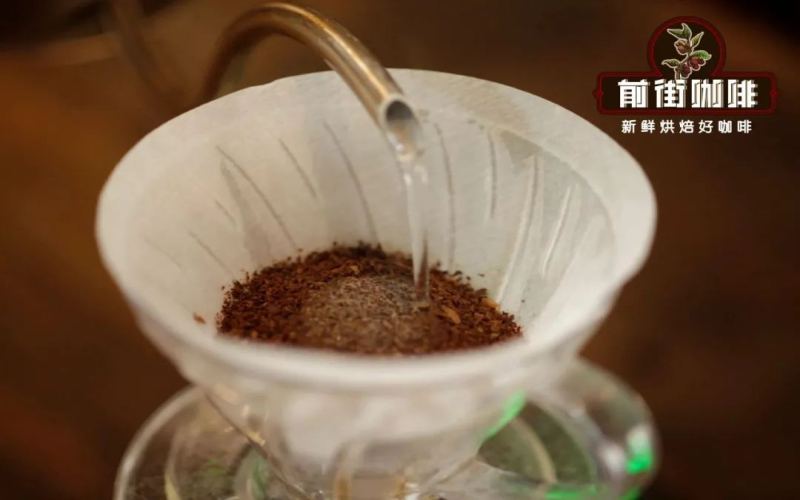
The blooming step is a crucial first move in pour over coffee, yet its importance is often overlooked. This article delves into how blooming affects the release of coffee flavors and extraction efficiency—from scientific principles to practical techniques. It explains why proper blooming can bring out the floral notes and layered complexity of coffee, while helping you avoid common mistakes. Even beginners can brew richly flavored pour over coffee at home with the right approach. [more…]
Espresso Grind Size Adjustment Guide: How to Find the Optimal Grind Setting and Extraction Balance?
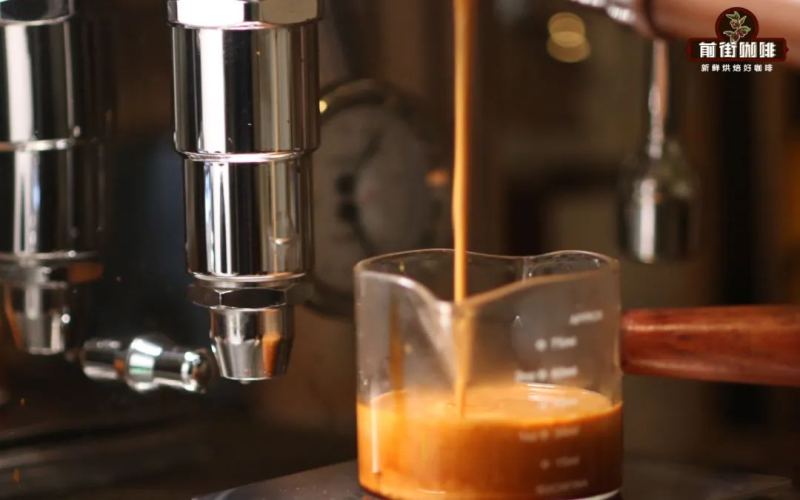
To brew a well-balanced shot of espresso, precise control of grind size is key. This article delves into the principles behind adjusting espresso grind size—from basic grind setting to fine-tuning based on extraction time and flavor feedback—to help you master the core techniques that influence the taste of your espresso, and understand how factors such as weather and bean freshness actually affect the grind. [more…]
How to choose the grind size for pour over, French press, and cold brew? 20-mesh sieve pass rate comparison table
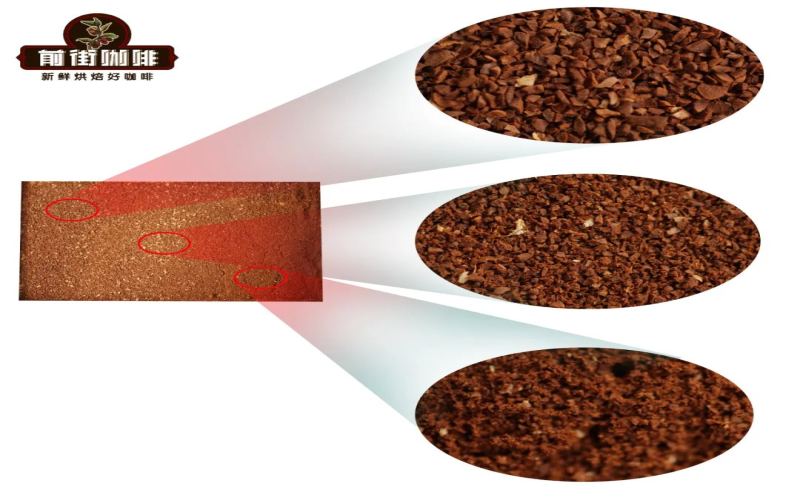
Grind size is a core factor that influences the flavor extraction of coffee, and different brewing methods have vastly varying requirements for the fineness of coffee grounds. Based on scientific data, this article provides practical grind reference ranges for pour over, French press, and cold brew/drip methods, while also analyzing how a 20-mesh sieve passing rate (68%–85%) corresponds to the optimal extraction results for each method. This helps you precisely adjust your grind parameters to avoid over-extraction or under-extraction. [more…]
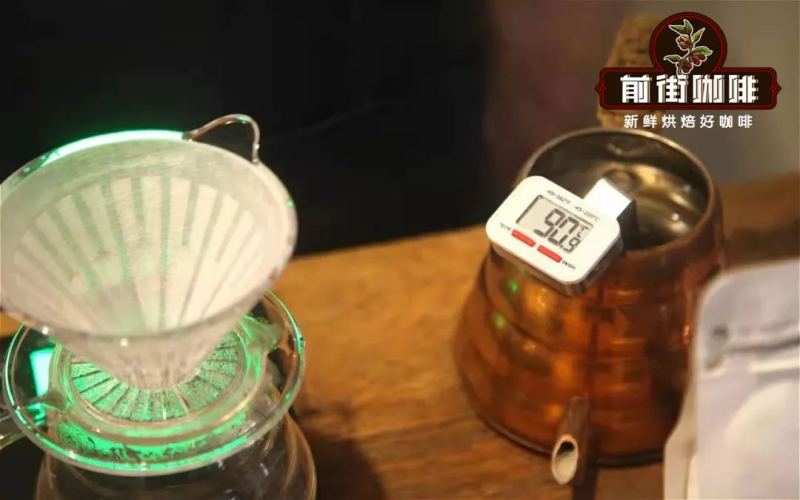
How to choose the water temperature for pour over coffee? Analysis of optimal brewing temperatures for light-medium and medium-dark roasts
The flavor profile of pour over coffee is closely tied to water temperature. Mastering the correct brewing temperature allows you to more precisely highlight the aroma and complexity of the coffee beans. This article delves into the ideal water temperature ranges for different roast levels during pour over brewing, analyzes how temperature affects extraction efficiency and flavor balance, and provides practical tips and precautions to help you consistently brew your ideal cup of coffee. [more…]
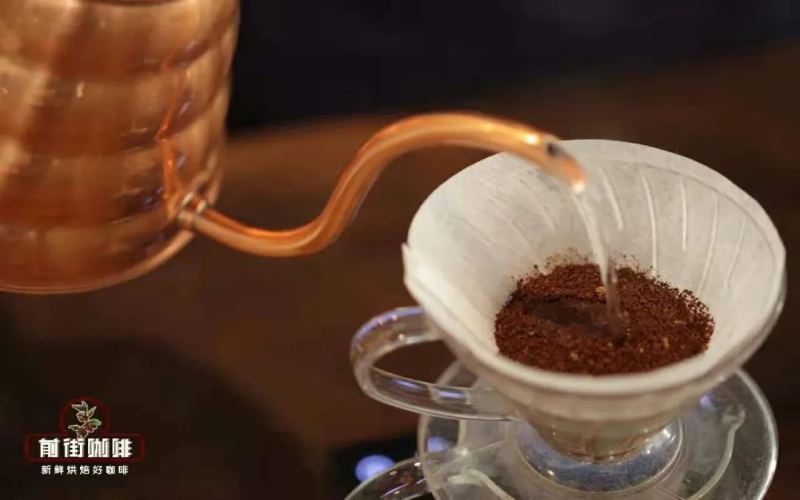
How to adjust the coffee-to-water ratio for pour over? The ultimate guide to the best ratios for cold brew and pour over.
Many beginners to pour over coffee often face a common challenge: how to adjust the coffee-to-water ratio to brew a cup that is neither too weak nor too bitter? In fact, mastering the correct ratio is key. From pour over to cold brew, different brewing methods have their own optimal ratio ranges. This article will thoroughly explain the concept of coffee-to-water ratio, the Golden Cup extraction theory, and how to choose the right ratio in practice, helping you easily brew a cup with your ideal flavor profile. [more…]
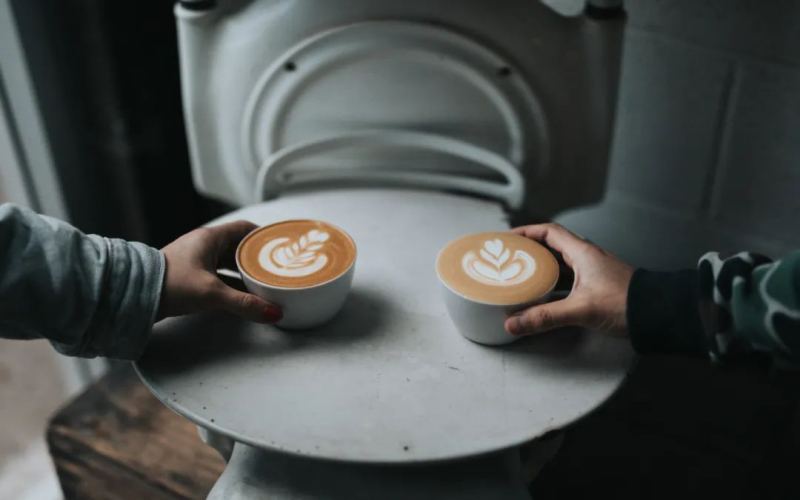
Latte Coffee Beginner's Guide: Definition, Brewing Ratios, and Flavor Adjustment Techniques
Latte is the go-to choice for many when first exploring coffee, but did you know it’s actually a brilliant combination of espresso and steamed milk? This article delves into the definition of a latte, the golden ratio of coffee to milk, and explores how different coffee beans can influence the final flavor—helping you craft your own perfect latte. [more…]
A Comprehensive Guide to Bloom Techniques in Pour Over Coffee: Timing, Water Volume, and the Key to Flavor Extraction
Steaming (blooming) is a step in pour over coffee that is often overlooked but extremely important. It not only affects the release of coffee flavors but also directly impacts the overall extraction efficacy. This article delves into the principles of steaming, the correct techniques for execution, water volume and time control, and teaches you how to judge the optimal steaming state through observation — helping you improve the quality and consistency of every pour over session. [more…]
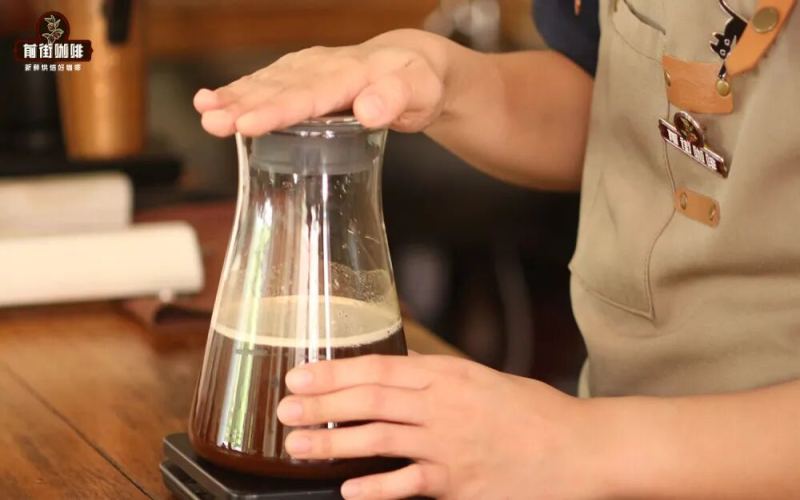
Cold Brew Coffee Water Temperature Selection Guide: Differences Between Room Temperature vs. Warm Water Extraction and Practical Flavor Analysis
Cold brew coffee excels in slow extraction at low temperatures, typically requiring 5 to 24 hours. However, some coffee enthusiasts have experimented with using warm water to speed up the process. This article delves into the differences between cold brewing with room temperature water and warm water, analyzing why lower temperature extraction results in reduced acidity. It also shares a practical test comparing the use of 45°C warm water for 3 hours and room temperature water for 7 hours with a light roast bean, guiding you to master the practical techniques and flavor characteristics of warm water cold brew. [more…]

Should You Discard the First Shot from an Espresso Machine? A Complete Guide to Cleaning & Preheating for Home and Commercial Use
Have you ever wondered why cafés often discard the first shot pulled after turning on their espresso machines in the morning? In reality, this practice is tied to key factors such as leftover coffee grounds, machine preheating, and stabilizing extraction parameters. This article dives deep into the reasons behind discarding the first shot, and offers practical advice tailored for home users — including whether to toss it, how to handle old coffee grounds, and how to correctly preheat your machine — helping you save coffee beans while ensuring consistent flavor in every cup. [more…]
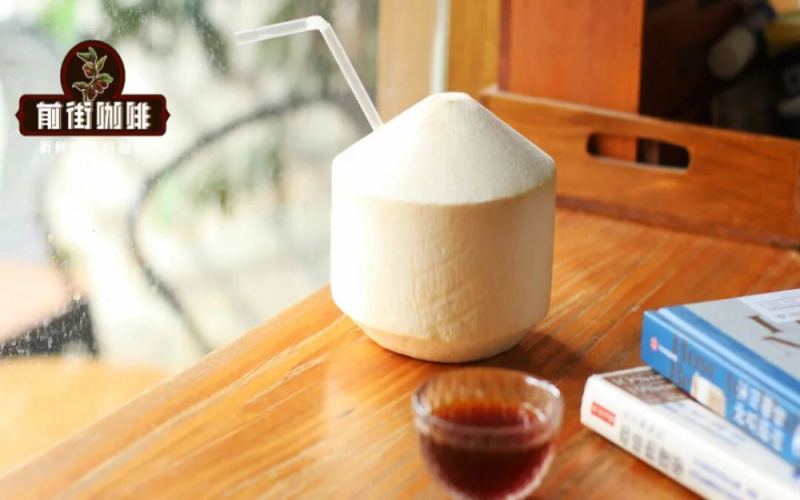
Real-World Test: Coconut Water Pour Over Coffee – Ice & Hot Dual Brew Method + Flavor Analysis of Sidamo Alo
Is it feasible to use fresh coconut water instead of plain water for brewing coffee? This article presents a real-world test of both hot pour over and cold pour over techniques, using Sidamo Alo medium-light roasted beans as an example. It details key parameters such as a 1:16 coffee-to-water ratio and a four-stage pouring method, while analyzing the actual impact of coconut water on coffee flavor. From the cloudy liquid to the unique sweetness, this piece will guide you through the pros, cons, and best-use scenarios of this innovative brewing approach. [more…]

Group buys 60 Luckin Coffee drinks, no discount and staff won’t help carry? Netizens reveal why they support the employee
An office ordered 60 Luckin Coffee drinks but did not receive a discount, and the staff also did not assist with carrying them. The customer expressed strong dissatisfaction. However, most netizens supported the employee, pointing out that chain coffee shops have strict regulations, it's difficult to leave one’s post during peak hours, and food safety requirements are high. This article analyzes the reasons behind the incident and offers practical advice and considerations for group-buying coffee. [more…]

Taiyuan’s First Starbucks to Close, Twelve Years Witnessing the Evolution of Urban Coffee Culture
The Starbucks Liuxiang Maoye store, which has accompanied Taiyuan residents for twelve years, will officially cease operations on November 1. This flagship store, opened in 2013, once set a single-day sales record. Its rise and fall not only carry the city’s memories but also reflect the evolution of the commercial environment and consumer habits. This article takes an in-depth look at the store’s entire journey—from its controversial opening to becoming a check-in landmark—and analyzes the challenges faced by traditional commercial district coffee shops. [more…]
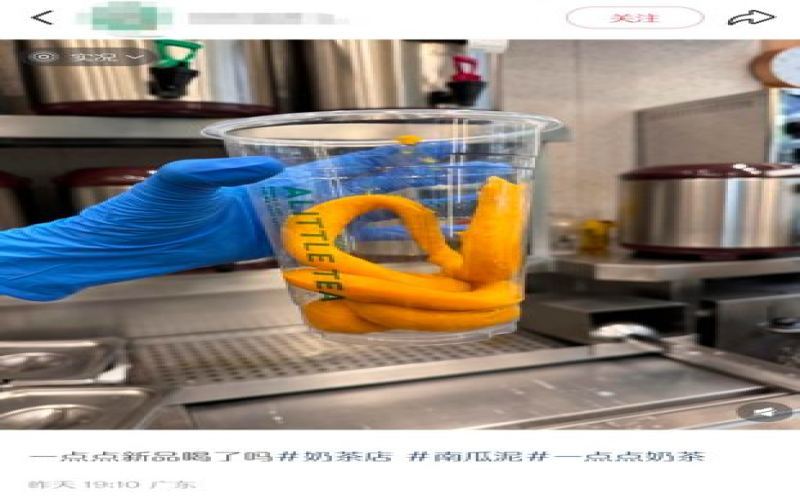
Review of Luckin Coffee’s Halloween new release ‘Mischief Pumpkin Milk Green Tea’: The surprise and controversy of pumpkin puree and salted egg yolk paste
As Halloween approaches, Luckin Coffee has launched a limited-edition new drink, the ‘Mischief Pumpkin Milk Green Tea’, combining baby pumpkin puree with salted egg yolk paste in an attempt to create a unique festive flavor. However, netizens have had mixed reactions to its appearance and taste — some find it highly creative, while others say it tastes “like a lotus seed paste mooncake with salted egg yolk.” This article takes an in-depth look at the highlights of this drink’s recipe, real user feedback, and offers tips on how to choose and enjoy it. [more…]