







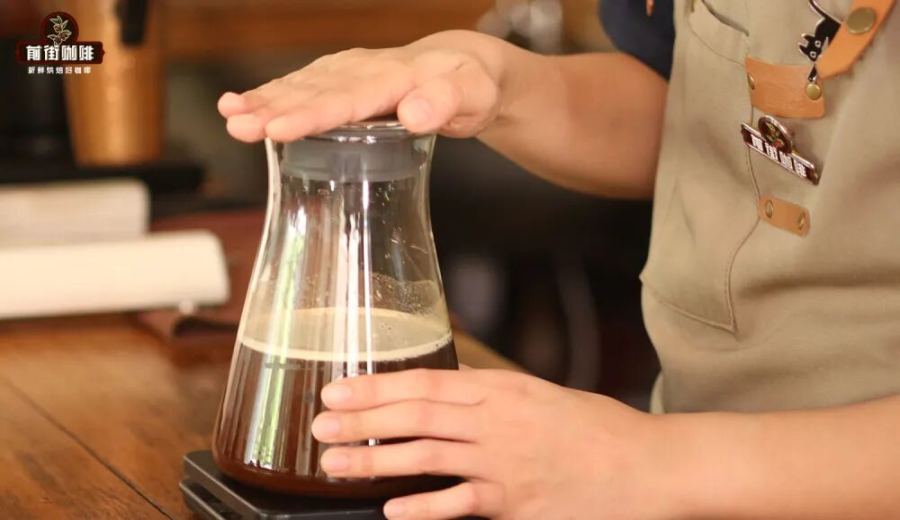
Introduction:Cold brew coffee is known for its low-temperature, slow extraction process, which typically takes 5 to 24 hours. However, some coffee enthusiasts have experimented with using warm water to speed up the extraction. This article delves into the differences between cold brewing with room temperature water and warm water, analyzes why low-temperature extraction results in lower acidity, and shares a practical comparison test using light roast beans with 45°C warm water for 3 hours and room temperature water for 7 hours. Discover practical tips and flavor characteristics of warm water cold brew.
Cold brew coffee is a popular choice for many coffee lovers during the summer. Its standout feature is the long steeping of coffee grounds in water at room temperature or chilled between 20–30°C, usually taking anywhere from 5 to 24 hours. This method allows the coffee to develop a rounder mouthfeel and richer sweetness, but the long wait time deters many. To reduce preparation time, an increasing number of coffee enthusiasts have started experimenting with warm water extraction in recent years, hoping to achieve similar flavor profiles in a shorter period.
So, which is better for cold brew—room temperature water or warm water? Which extraction method brings out the more delicate flavors of coffee? Through practical testing, we compared a Panamanian Elida Washed Caturra coffee using both 45°C warm water for 3 hours and room temperature water for 7 hours. We observed the flavor profiles and mouthfeel differences, and compiled suitable scenarios and key techniques for warm water cold brew.
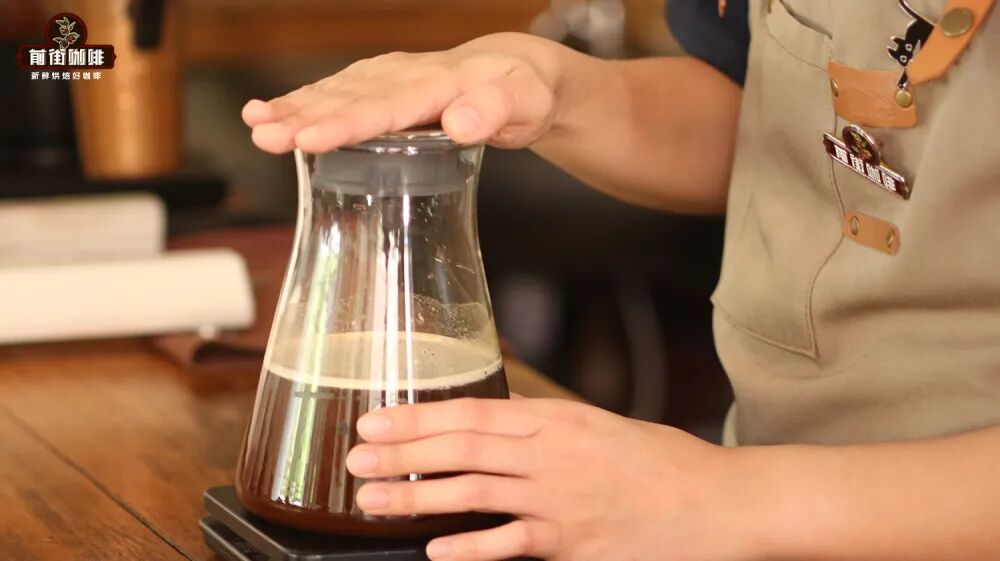
The reason cold brew coffee is considered a classic among iced coffees lies in its use of low-temperature, slow steeping instead of high-temperature, fast extraction. Typically using water at 20–30°C, it gives acidic and sweet compounds in the coffee more time to be released, while effectively suppressing the extraction of bitter and astringent impurities. This results in a smoother and fuller-bodied taste. It’s precisely because of the long extraction time that cold brew is often categorized as one of those “slow and steady” coffee-making methods.
However, the long wait can be inconvenient for some users. As a result, people have started brainstorming ways to shorten the extraction time by increasing the water temperature. While not the mainstream approach, feedback from some coffee communities and enthusiasts shows that warm water cold brew can indeed yield relatively rich flavors in a shorter time, with even more pronounced sweetness. This has made warm water cold brew a practical technique worth exploring further.
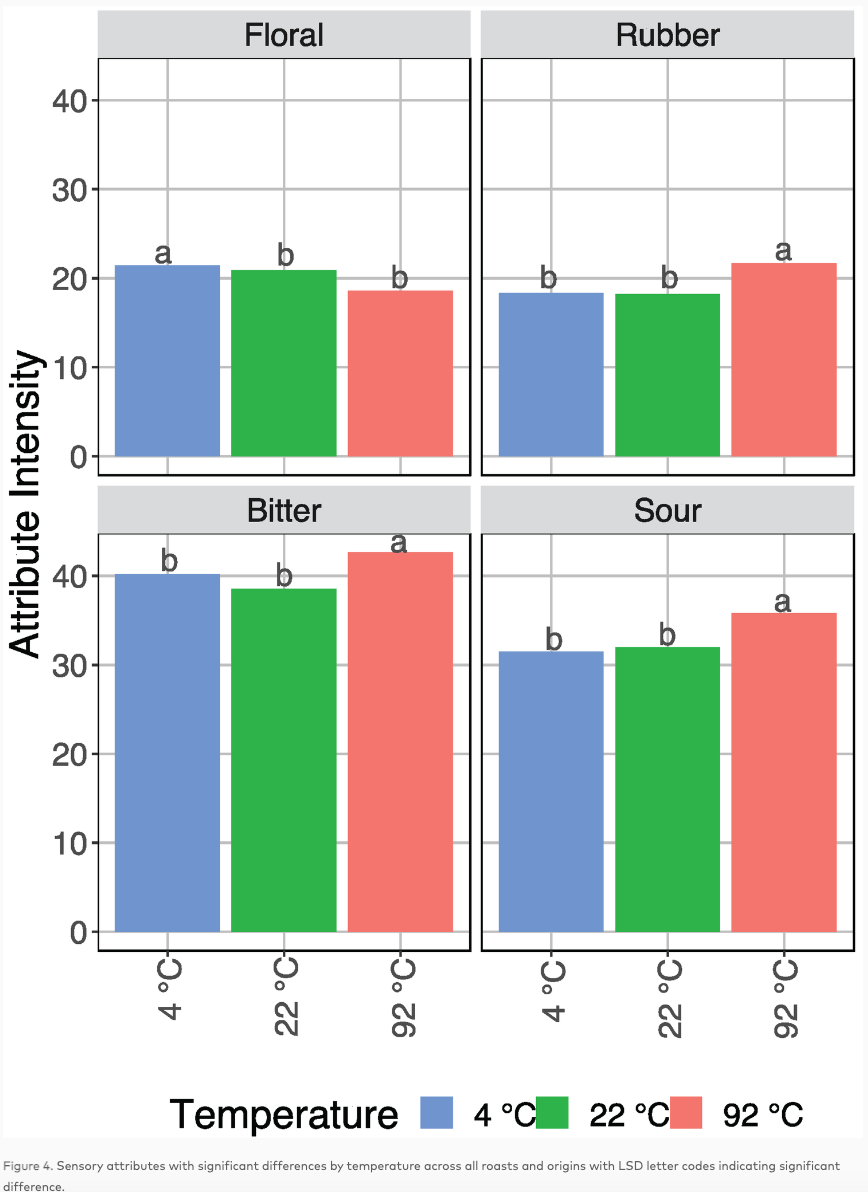
From a scientific perspective, long extraction at low temperatures helps the stable release of small molecular compounds such as acids and sugars, while reducing the likelihood of dissolving large molecular impurities like tannins. This effectively minimizes bitterness and enhances overall flavor harmony. Professional studies indicate that coffee brewed at low temperatures often has a richer fruity aroma, with significantly lower levels of bitterness, acid sharpness, and undesirable off-flavors compared to high-temperature extraction.
Particularly, the rate at which various chemical components in coffee dissolve differs markedly at different temperatures. For example, bitterness, acidity, and certain off-flavors are more easily released during high-temperature extraction, while floral compounds perform better in low-temperature environments. This is why cold brew generally exhibits a soft and delicate aromatic profile, whereas high-temperature brewing tends to emphasize strong tannins and roasted notes.
When we switch to warm water at around 45°C, the situation falls somewhere between room temperature and hot water. This temperature slightly increases molecular activity in the coffee grounds, helping some small molecular flavor compounds to be released earlier. At the same time, as the water temperature naturally decreases, it helps suppress the over-extraction of unwanted flavors and bitterness. In addition, moderate thermal motion also aids in breaking up coffee grounds clumps, allowing for smoother water flow and improving overall extraction uniformity.
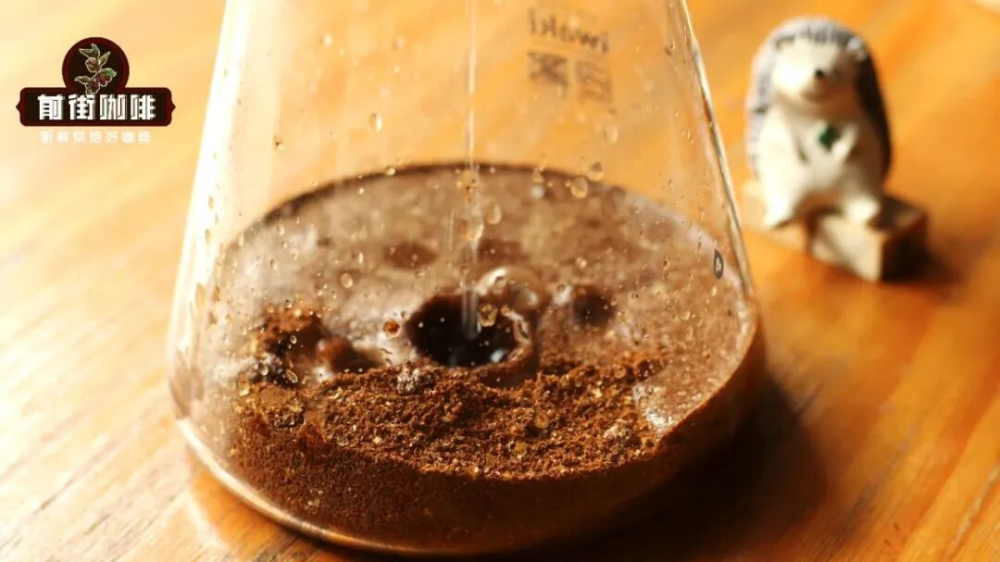
For this test, we selected a Panamanian Elida Washed Caturra bean processed via anaerobic natural sun-drying. It features gentle floral notes, sweet orange, and plum jam-like layered flavors, making it well-suited for cold brew to highlight its fruity sweetness and light body. To avoid over-extraction of fine particles, we adjusted the grind size to EK43s-10 and maintained a coffee-to-water ratio of 1:11.
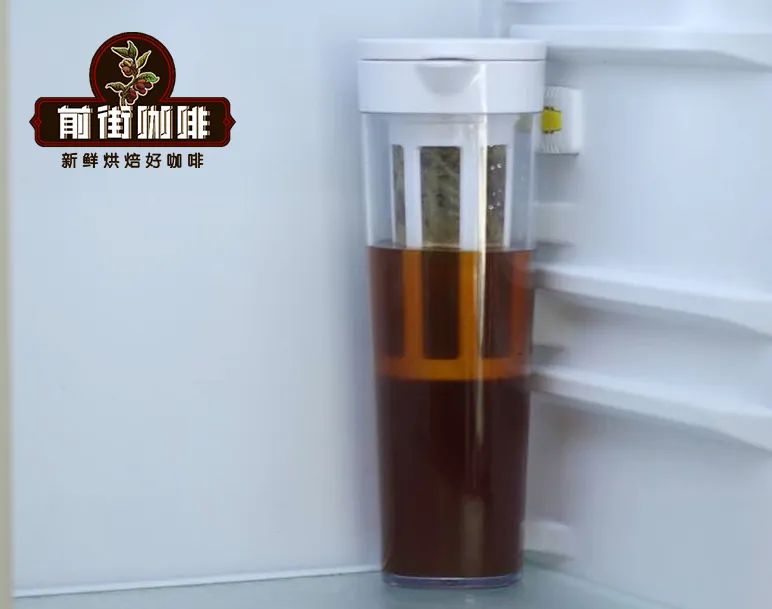
The parameters for the warm water group were set as follows: 30 grams of coffee grounds, 330 milliliters of 45°C warm water. After stirring evenly, the mixture was left to rest at room temperature until the coffee liquid cooled back to 35–40°C, then sealed and refrigerated. After about 3 hours, it was stirred again and filtered. As a control, the room temperature water version used the same amount of coffee, grind size, and coffee-to-water ratio, but the extraction time was extended to 7 hours using water at a normal temperature of 20–25°C.
The results showed that the room temperature cold brew exhibited soft floral notes, subtle pineapple and orange fruit tones, paired with a light black tea-like sweetness and mild fermented undertones. It was well-balanced and smooth overall. In contrast, the 45°C warm water cold brew released bergamot and jam aromas earlier, delivering a distinct sweetness of brown sugar and peach on the palate. However, its overall flavor profile was slightly less layered, with a shorter aftertaste. After an additional 3-hour refrigeration, the aroma and finish of the warm water group significantly improved, indicating that its soluble flavor compounds required more time to mature.
In practice, we also found that when using warm water for cold brew, it’s advisable to choose medium to light roasted beans with sweet and fruity profiles, such as sun-dried Yirgacheffe Hambela or strawberry-sweet beans with prominent berry flavors. These beans can interact with warm water to produce richer fruitiness and sweetness. Additionally, if you don’t have a professional thermometer at home, you can rely on touch—water that feels slightly warm to the skin (around 40–45°C) is within the suitable range for warm water extraction.
The above content is compiled by CoffeeHunters, a coffee news website.


