







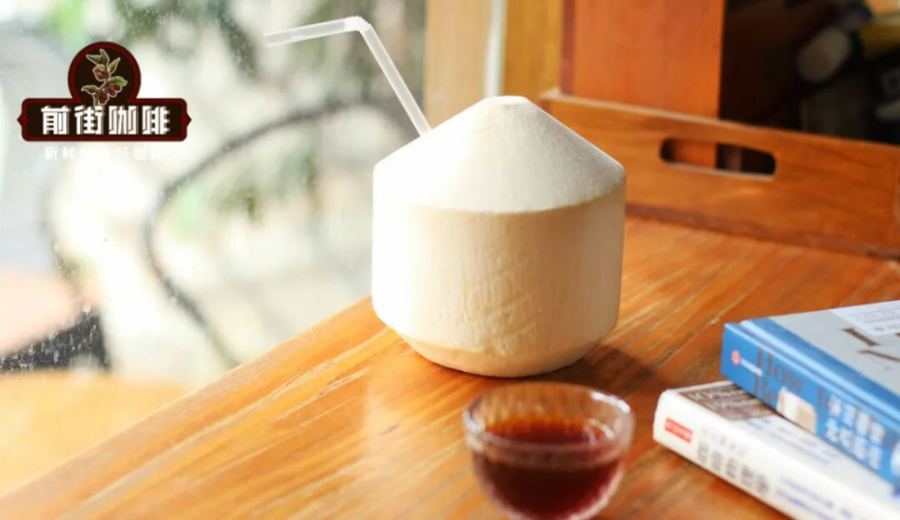
Introduction:Is it feasible to use fresh coconut water instead of plain water for brewing coffee? This article puts both hot pour-over and cold pour-over techniques to the test, using a Sidamo Alo medium-light roasted bean as an example. It details key parameters such as a 1:16 coffee-to-water ratio and four-stage pouring, while analyzing the actual impact of coconut water on coffee flavor. From murky liquid to unique sweetness, it explores the pros, cons, and suitable scenarios of this innovative brewing method.
In recent years, creative coffee pairings have been endless — from classic coconut americano to coconut latte — but using coconut water directly as the brewing liquid for pour-over remains niche. To verify the feasibility of this special brewing method, we conducted hot and cold brew tests using freshly cracked coconuts and Ethiopian Sidamo Alo beans, documenting the entire process from parameter setup to flavor presentation.
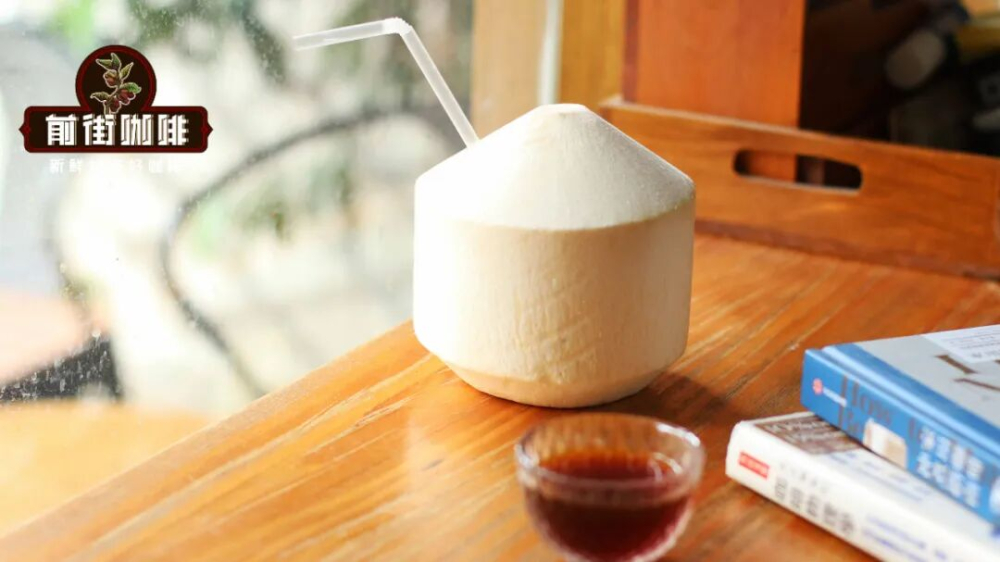
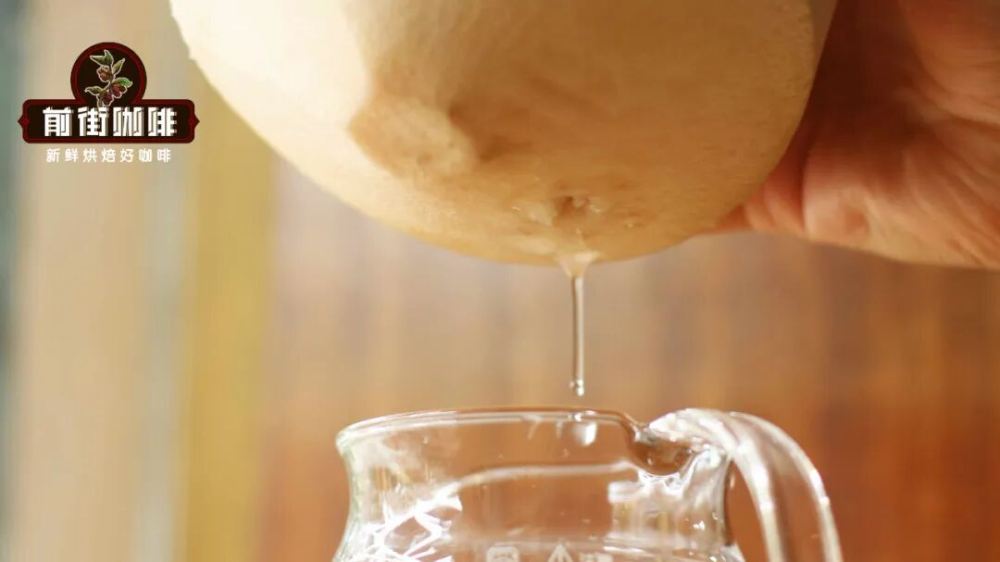
Coconut water is naturally rich in electrolytes and trace sugars, and its inherent sweetness significantly alters the results of coffee extraction. It’s recommended to use juice freshly extracted from split coconuts (approximately 180–200ml per coconut). If using commercially available boxed products, be mindful of additive ingredients. It pairs best with medium-light roasted beans, as darker roasts can mask the coconut aroma, while too light a roast may lead to unbalanced acidity. The Sidamo Alo used in this test was sun-dried and exhibited pronounced fruity notes.
Hot Pour-Over Practical Parameters:Coffee dosage: 15g; coffee-to-water ratio: 1:16 (total water volume: 240ml); water temperature: controlled at 91–92°C; grinder: EK43s, 10-click setting (approximately 80% extraction rate through an 80-mesh sieve). A special four-stage pouring technique was employed: the first stage used 30g of blooming water with temperature dropping back to the target range, followed by 90g poured in a circular motion from the center outward, then 60g with a fine stream focused on a small area, and finally 60g injected at the center. Total extraction time was approximately 2 minutes and 10 seconds.
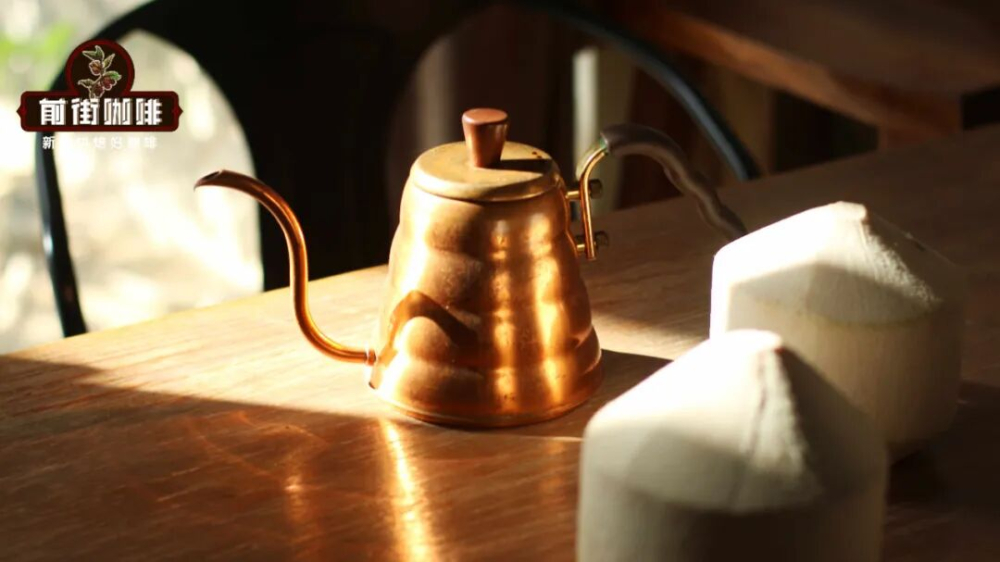
Observations showed that coffee brewed with coconut water had noticeably lower clarity. The initial aroma carried a unique scent combining coconut sugar and roasted notes. The first sip immediately revealed a distinct saltiness (likely due to mineral precipitation caused by heating), followed gradually by the original citrus and pineapple fruit tones of the Alo bean. However, the overall experience leaned more toward a “coconut-flavored coffee drink” rather than a traditional pour-over. It’s worth noting that there was more residue left in the filter, requiring extra rinsing to clear leaf-vein-like deposits afterward.
The cold brew version was adjusted to a higher concentration ratio of 1:10 (15g coffee + 150ml total liquid, including 75g ice cubes), keeping the same temperature range but switching to a three-stage pouring method: the first stage used 30g poured with a small stream centered → after 30 seconds, another 60g → and the final 60g added all at once. While this method balanced some off-flavors through the cooling effect of the ice, the overall flavor profile was still dominated by coconut water, only showing basic citrus notes and faint black tea-like qualities. It’s suitable for consumers seeking a refreshing taste.
Overall, evaluating the results of both brewing methods reveals a clear trade-off between uniqueness of flavor and ease of execution when using coconut water. While it offers a novel drinking experience, it is less efficient than traditional pure water brewing in extracting the core characteristics of coffee. It also comes with practical issues such as difficult equipment cleaning and relatively low cost-effectiveness. It is recommended for occasional experimentation or brewing trials. For those aiming for optimal coffee performance, a softened and filtered water system is still advised.
The above content is compiled by CoffeeHunters, a coffee news website.


