







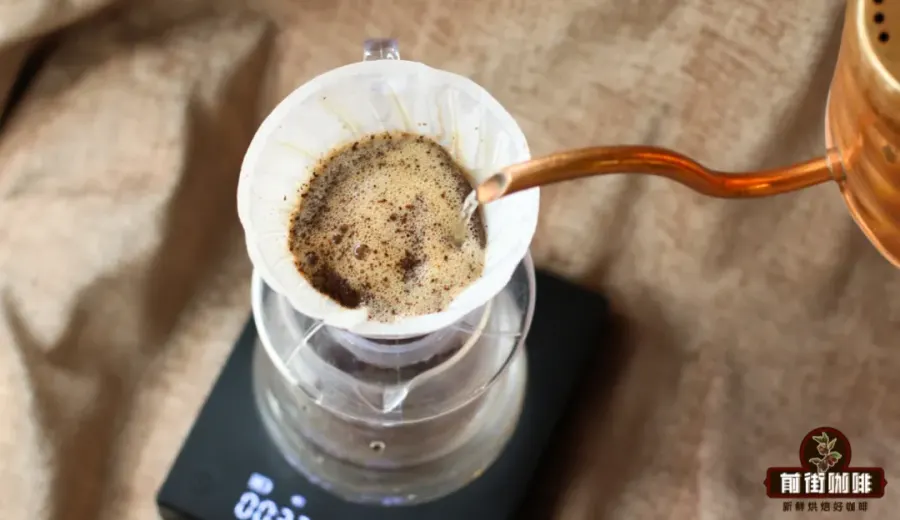
Introduction:Pulsed pouring is a key technique in pour over brewing that enhances extraction consistency and flavor complexity. This article delves into its three core principles—extending brew time, improving extraction efficiency, and minimizing bypass water—and provides practical guidance on adjusting the number of pours based on coffee bean characteristics, grind size, and brew ratio. Whether you're a beginner or an advanced brewer, you'll learn how to use scientific pouring methods to bring out richer, more balanced flavors in your coffee.
In the world of pour over brewing, pulsed pouring is a common yet often overlooked technique. Many coffee enthusiasts routinely pour hot water all at once or in a few large doses, but rarely understand the underlying principles or impacts. In reality, by thoughtfully dividing the pouring process, you can not only optimize extraction efficiency but also more precisely highlight the bean’s potential flavors. This article will help you fully grasp the core advantages of pulsed pouring and offer strategies for adjusting your pouring approach based on various variables, ensuring each cup of pour over delivers consistent and rich taste.
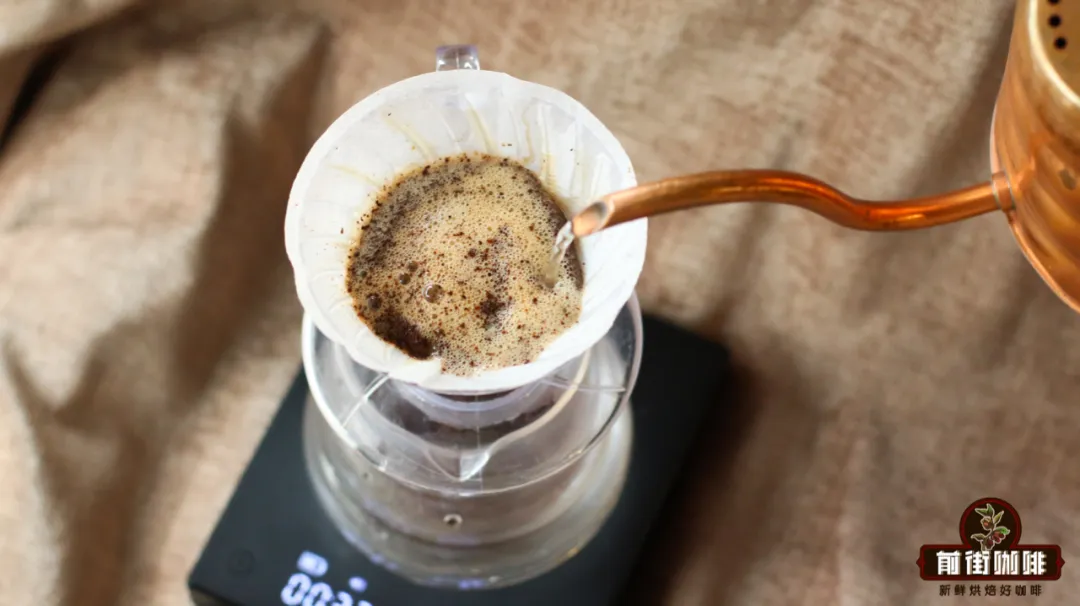
Pulsed pouring, as the name suggests, means dividing what would normally be a single pour of hot water into multiple smaller pours. For example, with a common 15g dose using a 1:15 brew ratio, the total water volume is 225ml—but in practice, this water is rarely poured all at once. Instead, it's typically divided into three, four, or even five pours. Though seemingly simple, this method carries deep logic for improving overall extraction quality. When you encounter issues such as uneven extraction, flat flavors, or too-fast drainage, adjusting the number of pours can often lead to noticeable improvements.
I. Extending Brew Time
When you maintain a steady pouring speed, increasing the number of pours naturally extends the overall brew time. This is because each additional pour requires waiting for the previous water to gradually percolate through and drip down, and this waiting time accumulates with each segment. Additionally, after segmenting the pour, the volume of water added in each segment is reduced, resulting in less water pooling in the filter cone and lower water pressure. This slows down the rate at which hot water passes through the coffee bed, further lengthening the total brew duration.
II. Improving Extraction Efficiency
Extraction efficiency is closely tied to the duration of contact between water and coffee grounds. The longer the contact, the more flavor compounds the water can dissolve. Pulsed pouring not only increases this contact time but also continuously refreshes the concentration of the liquid in the filter cone. Since the rate of flavor release is influenced by the concentration gradient, when the liquid in the cone becomes less concentrated, the soluble substances in the coffee grounds dissolve more readily. By repeatedly adjusting the liquid concentration through pulsed pouring, high extraction efficiency can be effectively maintained, allowing the coffee’s flavors to be more fully expressed.
III. Minimizing Bypass Water
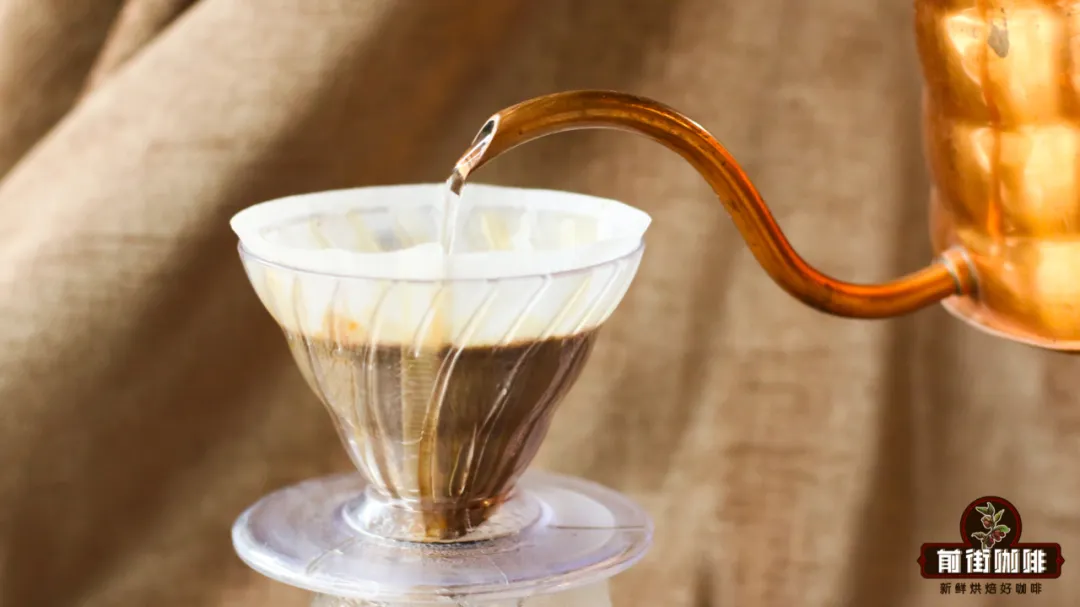
Many filter cones (such as the V60) feature ribbed structures designed to aid in gas release and accelerate drainage. However, these same structures can also become pathways for bypass water. When the water level in the cone exceeds the coffee bed or when hot water is poured directly onto the wall without contacting the coffee grounds, the water may bypass the grounds and flow straight into the carafe. This is known as 'bypass water.' Such water does not participate in effective extraction, reducing the overall extraction yield and negatively impacting flavor richness and mouthfeel. Pulsed pouring, with its smaller individual pours, helps prevent the water level from rising too quickly, thereby minimizing the production of bypass water and ensuring more water passes uniformly through the coffee bed. This enhances extraction consistency.

Now that we understand the principles behind pulsed pouring, let’s discuss how to apply it flexibly in real-world brewing. For instance, if you find that your coffee grind is coarse, the water temperature is low, or the drawdown is too fast, you might consider increasing the number of pours to extend the contact time between water and coffee grounds and compensate for under-extraction. This is especially important when using smaller coffee doses—for example, in extreme low-dose brews (such as using just 5g of coffee)—as multiple pours can significantly improve extraction efficiency and prevent weak, tasteless results.
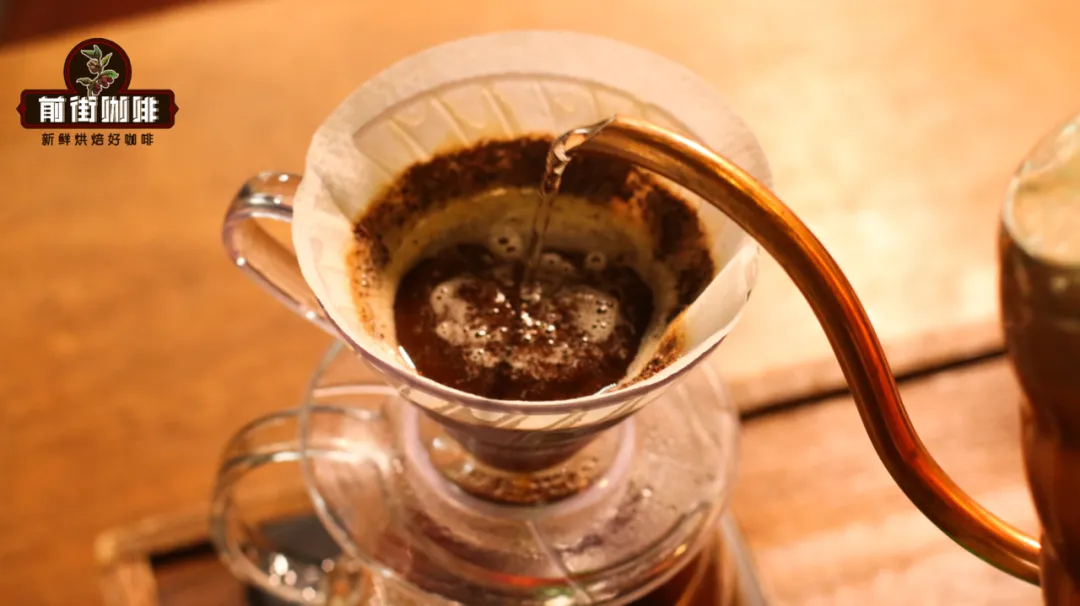
For dense or tightly structured coffee beans, such as some washed Yirgacheffe varieties, pulsed pouring becomes even more critical. Pouring too much water at once during brewing can lead to uneven absorption in the coffee bed, increasing bypass water or causing fine particles to settle and clog the filter paper due to aggressive water flow—all of which affect flavor balance. By pouring small amounts in multiple segments, you can better control the water level, reduce agitation and clogging risks, while simultaneously highlighting clearer acidity and sweetness. In practice, many baristas adjust their usual three-pour method to four pours to optimize the performance of such beans, bringing out more nuanced layers of citrus, berry, and oolong tea flavors.
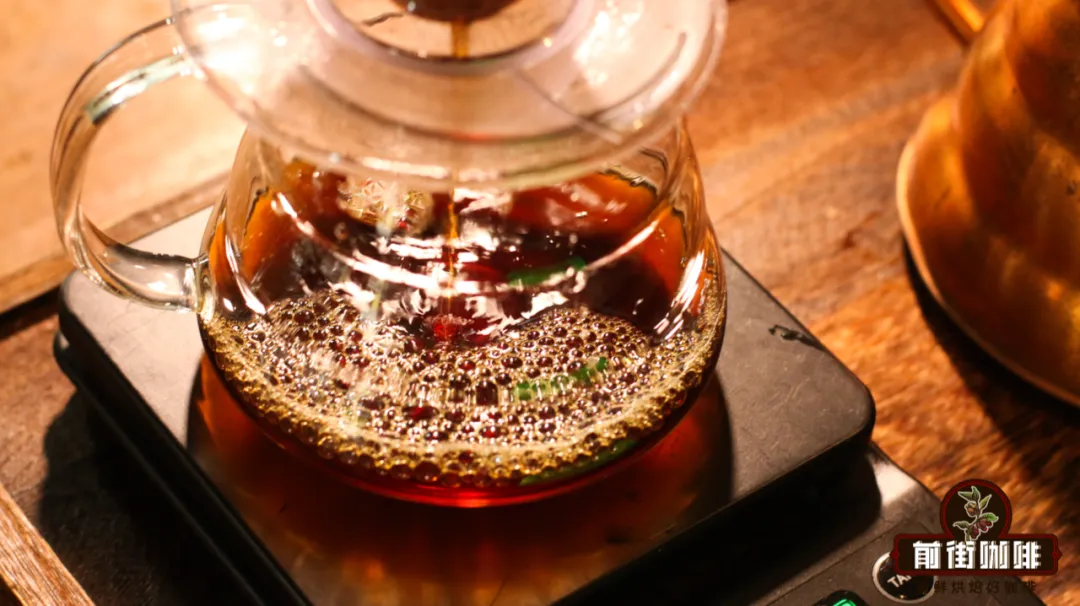
However, pulsed pouring is not a cure-all. If extraction parameters (such as excessively fine grind or overly high water temperature) are already at extreme levels, relying too heavily on pulsed pouring can easily lead to over-extraction, resulting in bitter, astringent, or off-flavored cups. For example, when working with dense bean varieties, in addition to using multiple pours, it’s also necessary to adjust pouring height and swirling speed to avoid unnecessarily prolonging extraction time. Practical experience shows that stable water flow and an even coffee bed distribution are equally crucial factors affecting final flavor outcomes.
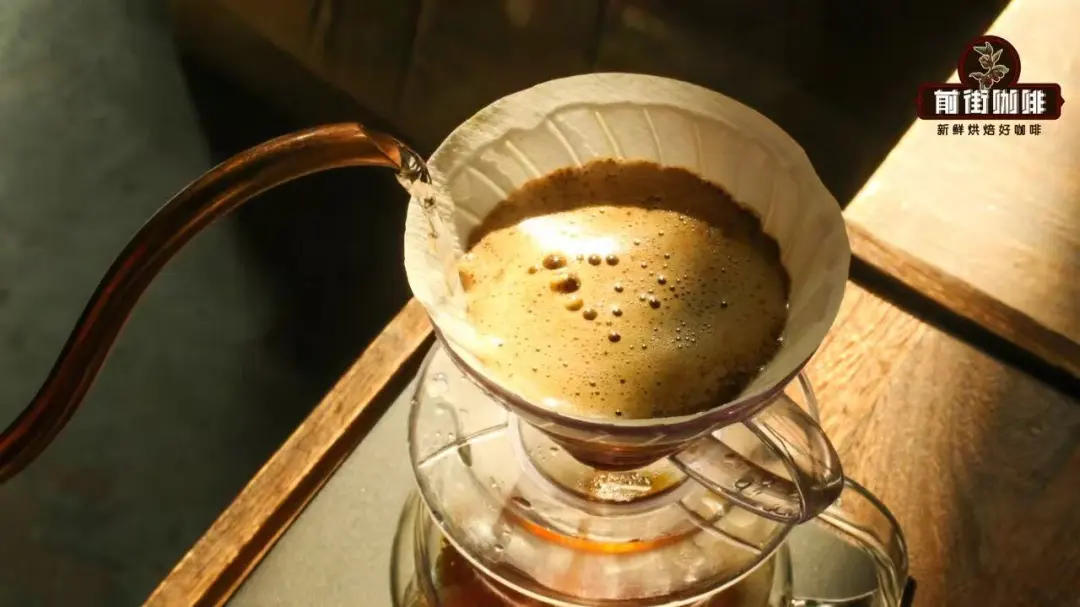
In summary, pulsed pouring is a scientific and practical pour over technique. By understanding its three main benefits—extending brew time, improving efficiency, and minimizing bypass water—and adjusting flexibly according to bean type, grind size, and brew ratio, you’ll be better equipped to tackle various brewing challenges and consistently achieve optimal coffee flavor. Remember, in practice, there’s no need to rigidly adhere to a fixed number of pours. Observe more, experiment more, and you’ll find your own ideal extraction rhythm.
The above content is compiled by CoffeeHunters, a coffee news website.


