







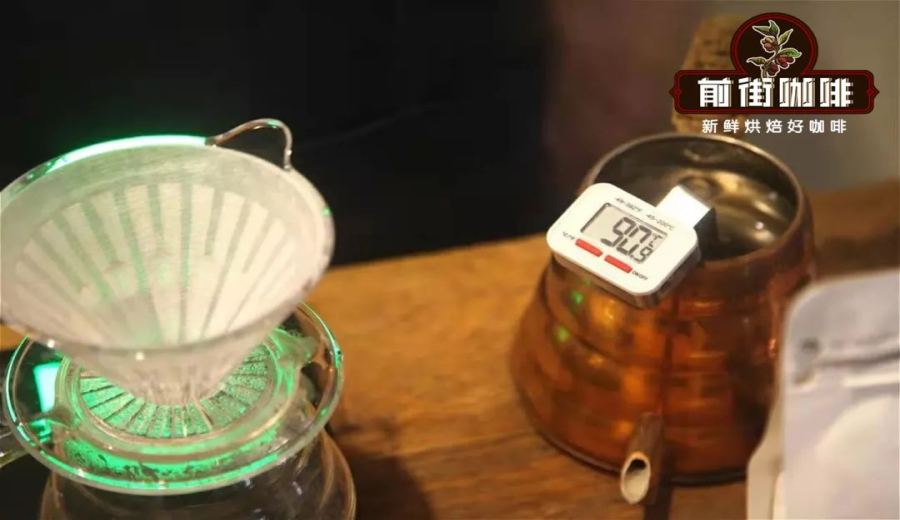
Introduction:The flavor expression of pour over coffee is closely related to water temperature. Mastering the correct brewing temperature allows you to more precisely bring out the aroma and layers of the coffee beans. This article delves into the ideal temperature ranges for different roast levels during pour over brewing, analyzes how temperature affects extraction efficiency and flavor balance, and provides practical advice and precautions to help you consistently brew ideal coffee.
It’s often said: “Pour over is easy to start, but hard to master.” Indeed, with just a pour over kettle and a filter dripper, anyone can make coffee. But to consistently brew a well-balanced, layered cup of good coffee, you need to master many details—and water temperature is one of the key factors.
Among the four major brewing variables in pour over coffee—grind size, coffee-to-water ratio, water temperature, and brewing technique—water temperature not only influences extraction efficiency, but also directly affects the final coffee’s concentration and flavor profile. At different temperatures, the degree to which soluble substances are released from the coffee varies significantly, thereby influencing the overall taste direction.
So, when making pour over coffee, how do we decide what temperature of water to use? The generally recommended water temperature range falls between 86°C and 93°C . Specifically, for medium-light roasted coffee beans, it is recommended to use a higher temperature of 90°C to 93°C , which helps bring out the bean's rich acidity, floral, and fruity notes; whereas for medium-dark roasted coffee beans, it is recommended to use a slightly lower temperature of 86°C to 89°C to avoid over-extracting tannins and bitter substances.
These recommended ranges are not arbitrarily set, but have been optimized step by step based on the extraction characteristics of water and scientific data. First, the higher the water temperature, the more intense the molecular activity, and the stronger the extraction ability for coffee grounds, enabling faster dissolution of more soluble substances—but it can also easily extract undesirable impurities or overly intense flavors, leading to what is called “over-extraction”; conversely, too low a water temperature reduces extraction efficiency, and the coffee may taste thin or even exhibit “under-extraction.”
According to the International Coffee Organization and technological research,a water temperature range of 86°C to 93°Ccan stably maintain an extraction rate between 18% and 22% , which is currently recognized as the ideal range that balances flavor and concentration. In practice, after multiple tests,medium-light roasted coffee at 90°C to 91°Coften demonstrates the most balanced and layered performance.
Some might ask, does a 1°C difference in water temperature really matter? The answer is: yes, but the difference is not always very significant. One experiment brewed the same Yirgacheffe coffee (recommended temperature 90°C) using 89°C, 90°C, and 91°C respectively, with all other conditions kept as consistent as possible. The resulting coffee concentrations were 1.26%, 1.27%, and 1.30%. The flavor differences required careful tasting to discern, but the data still showed subtle variations.
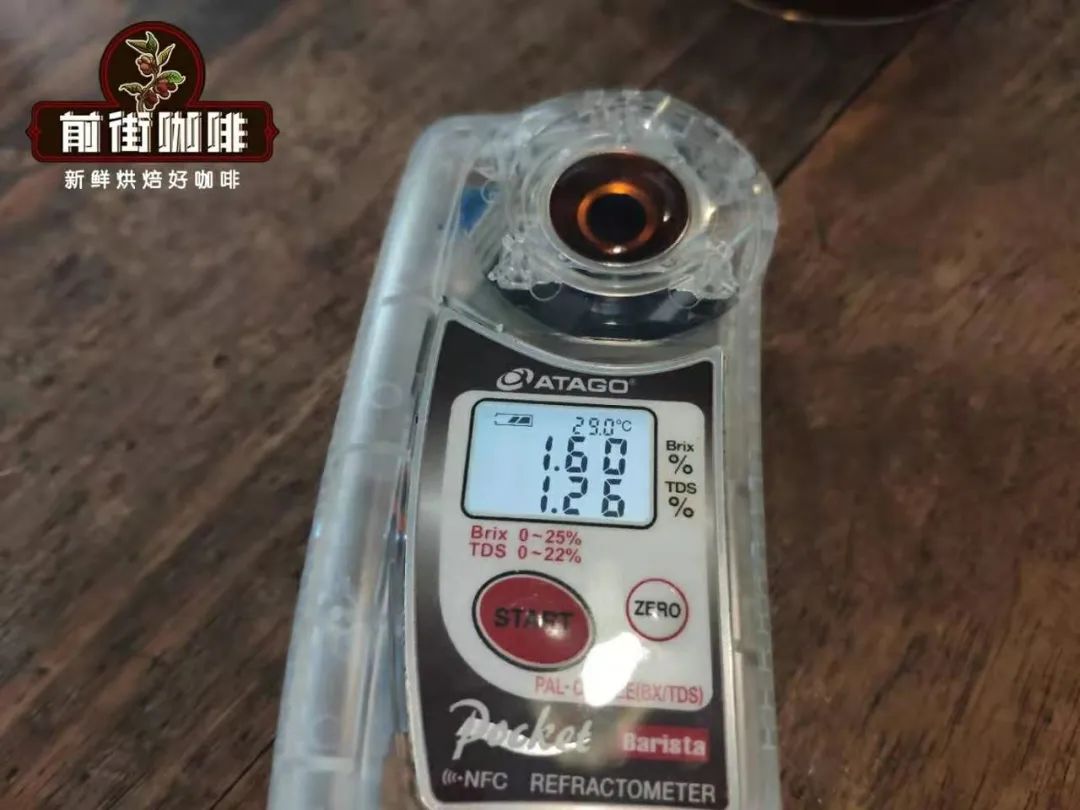
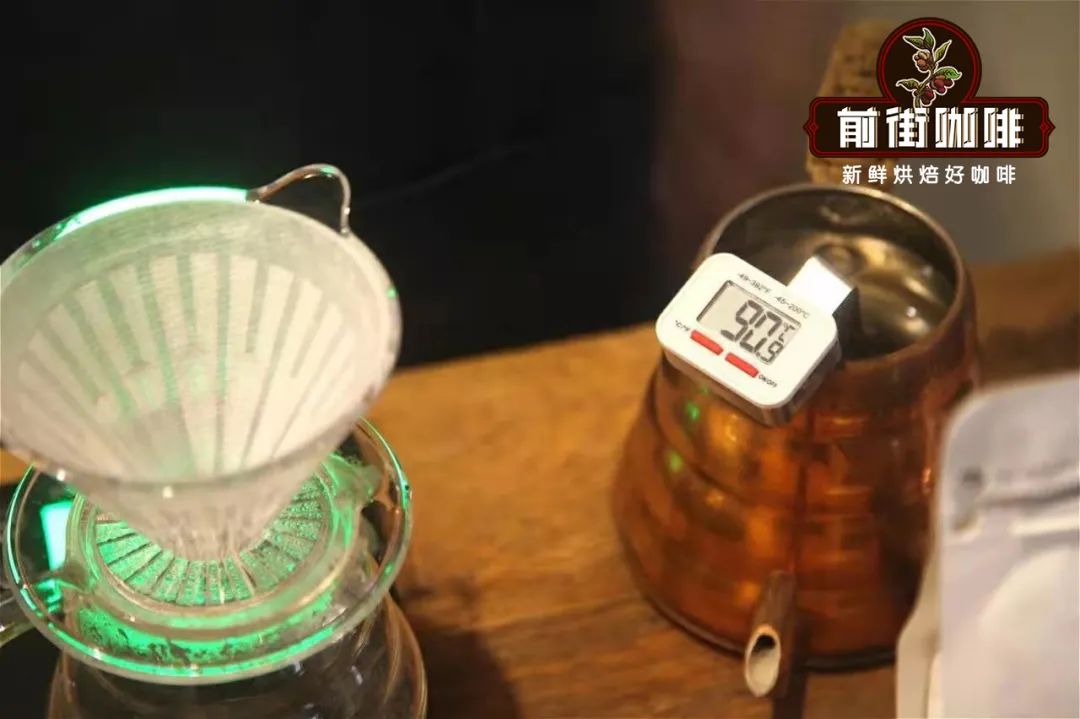
However, the negligible difference of 1°C should not lead to overlooking water temperature control. Because what truly affects coffee extraction is the actual water temperature at the point of contact between the coffee grounds and the water, not the initial temperature inside the kettle. This involves many variables, such as the heat retention properties of the kettle material, temperature loss caused by the water stream contacting air during pouring, and whether the filter dripper is preheated or not—all of which can create a gap between the temperature reading in the kettle and the actual temperature contacting the coffee grounds.
First is the difference in kettle insulation. Kettles made of different materials, such as copper and stainless steel, have vastly different heat retention effects. Tests showed that under the same initial water temperature of 90°C, after 1 minute and 30 seconds, the water temperature in the copper kettle was about 86.4°C, while that in the stainless steel kettle dropped to 83.6°C. In addition, the amount of water in the kettle also affects the rate of cooling.
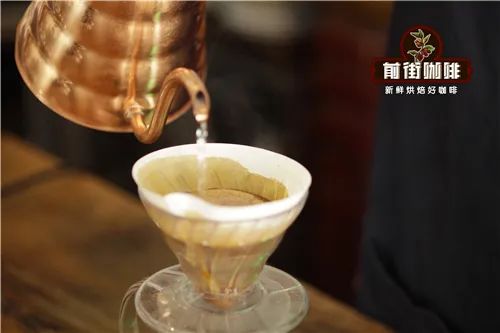
Secondly, the pouring method also affects water temperature. High pour streams, due to greater surface contact with air, typically lose heat faster than low pour streams, which is also one reason why some brewers find that coffee poured with high streams tends to be slightly less concentrated.
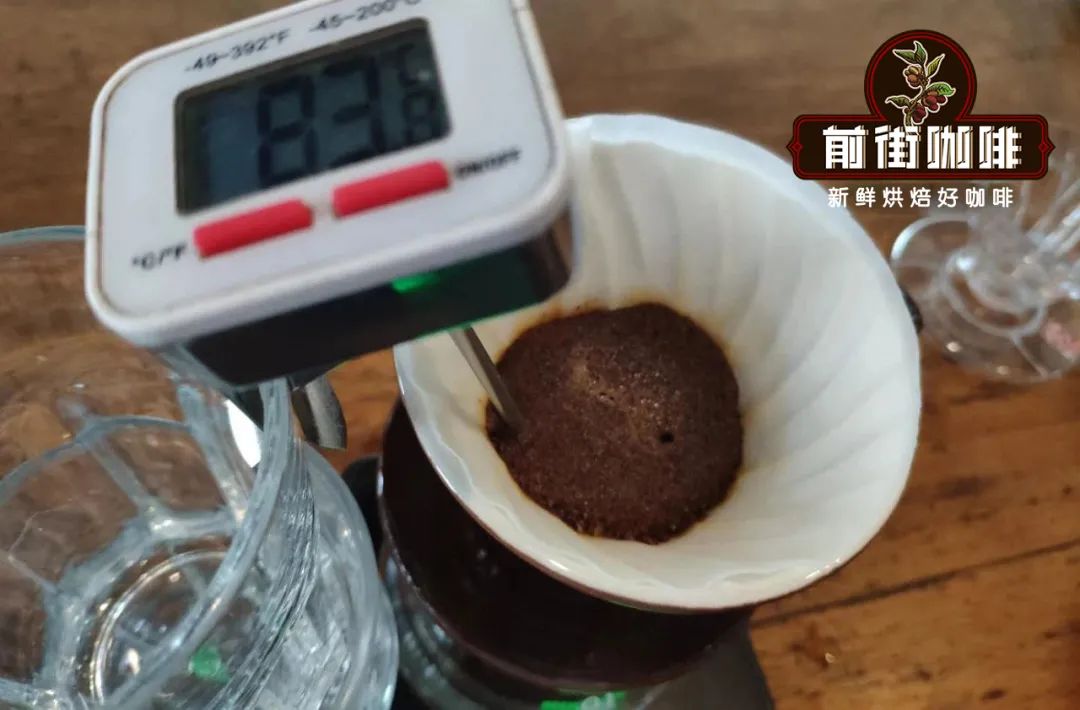
Finally, the material of the filter dripper and whether it is preheated is also crucial. For example, ceramic filter drippers, even when the initial kettle temperature is 91°C, may only reach a maximum water temperature of 87.7°C during actual extraction; if the dripper is not preheated, the temperature may drop further to 86.9°C. Therefore, it is essential to preheat the filter dripper and server before brewing to minimize unnecessary heat loss.
In summary, controlling water temperature in pour over coffee is a nuanced art. It is recommended to adjust the water temperature according to the roast level of the coffee beans, and pay attention to various factors from the moment the water leaves the kettle until it actually contacts the coffee grounds. Only by mastering these details can you more consistently extract the essence of the coffee and enjoy the unique and captivating flavor of each cup.
The above content is compiled by CoffeeHunters, a coffee news website.


