







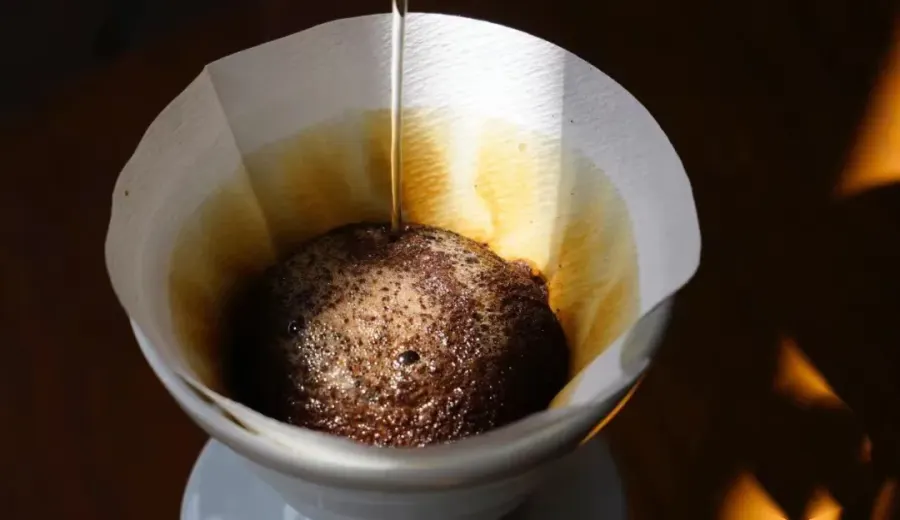
Introduction:During the blooming phase of pour over coffee, the size of the "bloom dome" that forms on the coffee bed often contains important information about the beans' freshness, roast level, and current extraction status. Although the size of the bloom doesn't have an absolute correlation with coffee flavor, it can indeed help you assess whether the bean condition and brewing parameters are appropriate. This article will delve into the factors that influence the appearance of the bloom dome and teach you how to correctly interpret these "gas signals."
In the process of pour over brewing, blooming is a crucial step that not only awakens the coffee grounds but also facilitates the subsequent release of flavor compounds. However, many people notice during this stage that the coffee bed expands into various degrees of a "bloom dome," prompting questions such as: why do some beans produce tall, round blooms while others barely rise at all? This phenomenon actually reflects key information such as the beans' freshness, roast depth, and current extraction efficiency.
While the size of the bloom isn't a direct indicator of how good the coffee will taste, it can serve as an important basis for understanding the current state of the beans and your brewing conditions. This article will explore in detail, from three main aspects, the factors that affect the appearance of the bloom dome during blooming, and clarify some common misconceptions.
First, we need to understand the root cause of the bloom phenomenon—carbon dioxide release. During the roasting process, coffee beans generate a large amount of carbon dioxide, which continues to be stored inside the beans even after roasting, only gradually being released upon contact with air or water. The blooming step is designed to accelerate the emission of carbon dioxide using an appropriate amount of hot water, thereby improving the efficiency of subsequent flavor extraction.
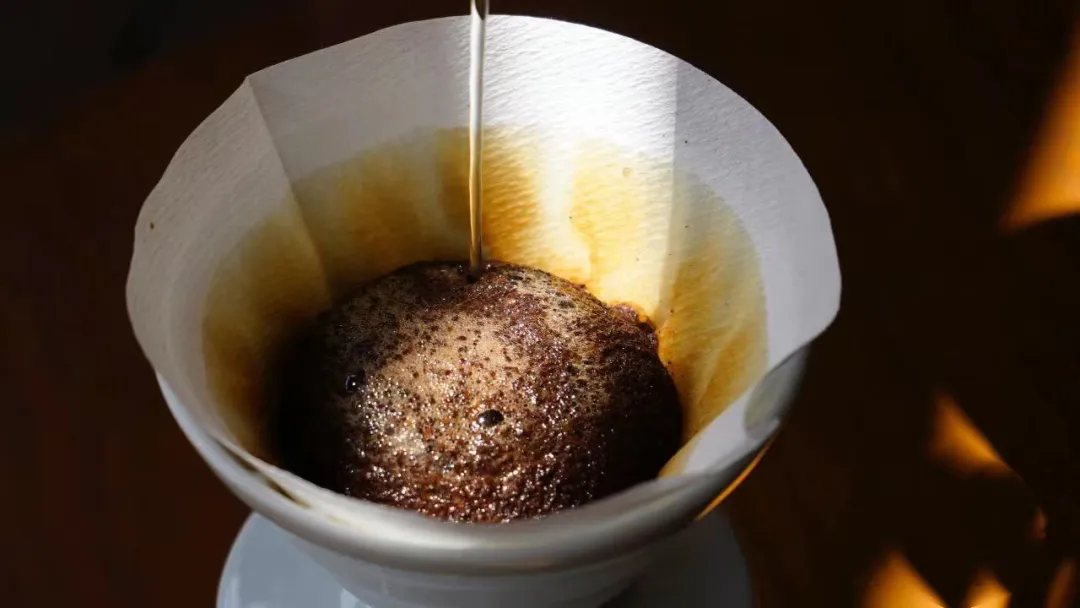
When hot water contacts the coffee grounds, the surface tension and capillary action between the water molecules and the coffee particles form a temporary "seal," temporarily preventing the rapid escape of carbon dioxide, effectively "trapping" it within the coffee bed. As the gas accumulates, the coffee layer inflates like a balloon, forming what we call the "bloom dome." Therefore, the amount of carbon dioxide and its rate of release are the key factors influencing the degree of the bloom.
Under the same brewing parameters, fresher beans and those roasted darker usually contain higher levels of internal carbon dioxide, making it easier for a noticeable bloom to form during blooming. Conversely, if the beans have been stored for too long or are roasted lighter, the carbon dioxide release is lower, resulting in a relatively flat or inconspicuous bloom.
However, there is an often overlooked point:Only under stable brewing parameterscan we accurately compare the differences in bloom size between different beans. For example, factors like water temperature, grind size, and blooming time directly affect the efficiency of carbon dioxide release, thereby altering the external appearance of the bloom.

For instance, higher water temperatures and finer grinds typically lead to faster extraction reactions during blooming, causing more concentrated carbon dioxide release and thus a more pronounced bloom. On the other hand, lower water temperatures or coarser grinds slow down the carbon dioxide release, and even if the beans are fresh and dark roasted, they may not produce the expected large bloom.
Additionally, the stirring technique during the blooming stage can also affect the uniformity and rate of gas release. Gentle and moderate stirring helps break up the surface "seal," allowing carbon dioxide to escape more smoothly, though excessive stirring might cause fine particles to settle prematurely, negatively affecting subsequent extraction. Therefore, it's recommended that beginners maintain a steady pouring technique during blooming and observe changes in the coffee bed as a basis for adjusting parameters.
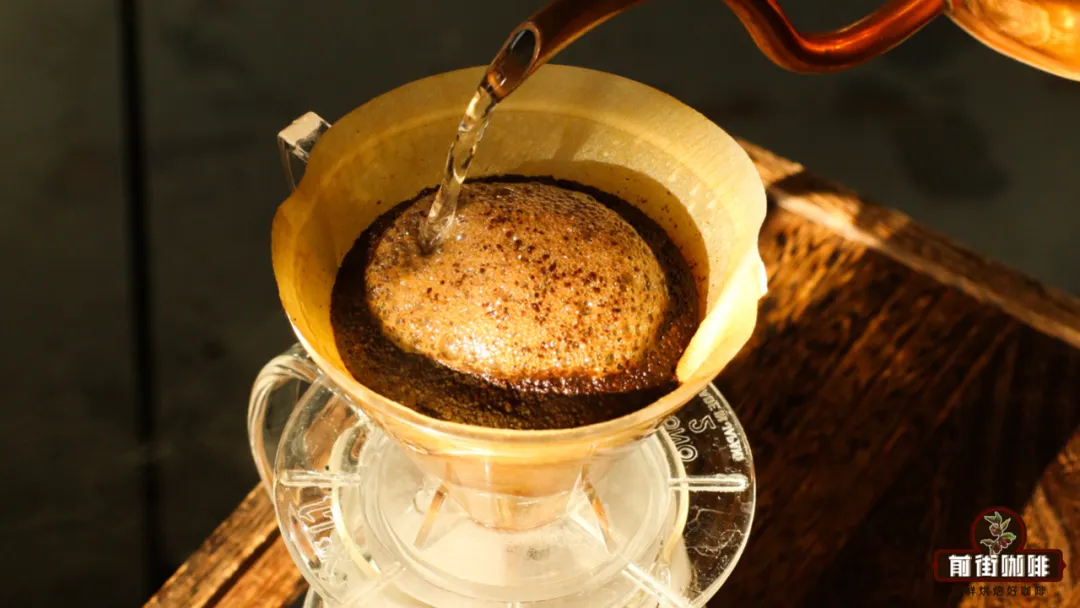
From practical experience, many people mistakenly assume that a larger bloom equates to better flavor, but this is actually a false association. There have been cases where the same coffee beans were tested during blooming at different days post-roast: one set was two days after roasting, the other twenty-five days after. The former, containing more carbon dioxide, produced a notably dramatic bloom, yet the actual flavor profile was less complex compared to the latter.
The latter, although producing a smaller bloom, allowed for a smoother release of carbon dioxide, enabling flavor compounds to be extracted more fully, resulting in more complete fruitiness, wine-like notes, and refined layers. This shows that bloom size is not a standard for judging coffee quality, but rather a reference indicator to help you understand the current bean state and whether your brewing parameters are suitable.
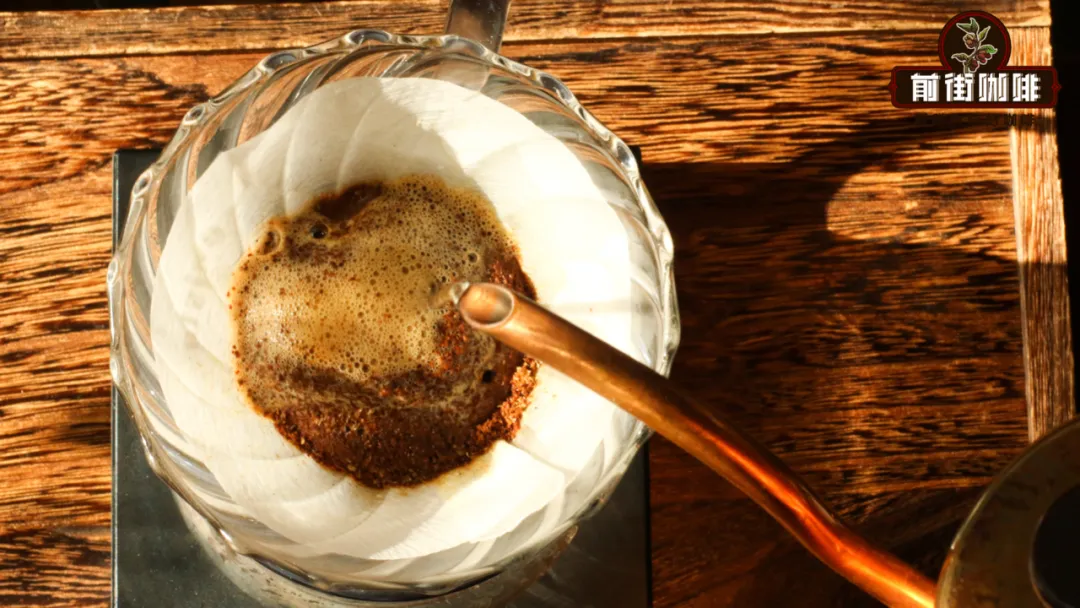
In summary, the size of the bloom dome during pour over blooming is primarily influenced by the combined effects of three factors: first, the freshness and roast depth of the coffee beans themselves, which determine the initial carbon dioxide content; second, the current extraction efficiency, especially water temperature and grind size, which affect the rate of carbon dioxide release; third, the actual brewing details, such as blooming time and pouring technique, which also influence the final bloom appearance.
Therefore, the next time you notice changes in the size of the coffee bed bloom during pour over, consider it as a real-time record of the "bean condition and brewing parameters," rather than a simple gauge of whether the coffee tastes good. Mastering these details will help you control each pour over session more precisely, further enhancing your overall coffee tasting experience.
The above content is compiled by CoffeeHunters, a coffee news website.


