







Introduction:Struggling to replicate café-quality coffee at home? This article dives deep into the key factors that influence the quality of your pour over brew—from coffee bean consistency and brew parameter settings to precise control over water quality and grind size. It also covers practical details such as the ideal pH and TDS values of water, and how to calibrate grind uniformity using standard sieves, helping you easily brew richly layered, great-tasting coffee.
In recent years, specialty coffee culture has become increasingly popular, with more people choosing to buy coffee beans and brew them at home to enjoy a relaxing coffee moment. However, many beginners often face one common issue: why does coffee taste so amazing in cafés, but is hard to replicate at the same level at home? The truth is, there are several key factors at play—let’s break them down one by one.
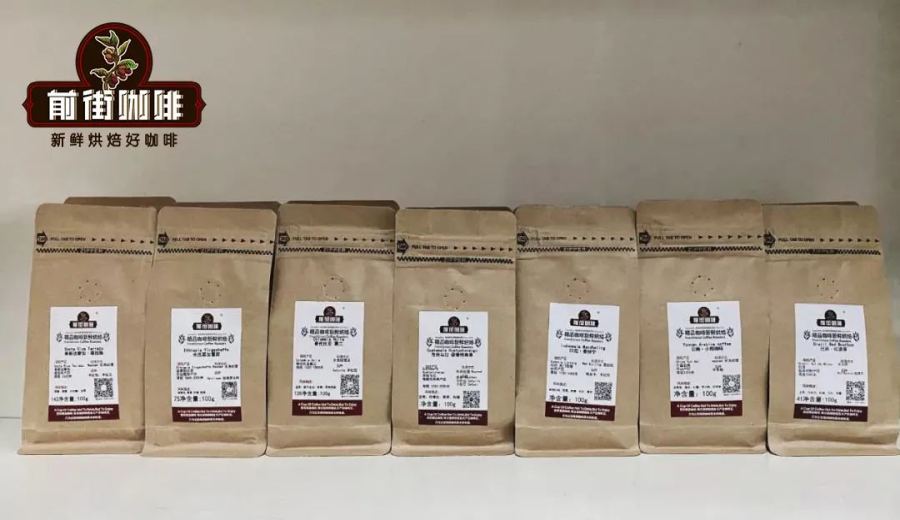
First and foremost, ensure the consistency of your coffee beans. The coffee you enjoy at cafés must come from the same shop and the same batch as the beans you purchase. Since coffee beans are agricultural products—not standardized industrial goods—subtle differences between years or batches can affect the final flavor. Large, stable growing regions usually maintain more consistent coffee quality, while beans from emerging farms or small-scale producers may show greater variability; one batch might be exceptional, and the next slightly less so.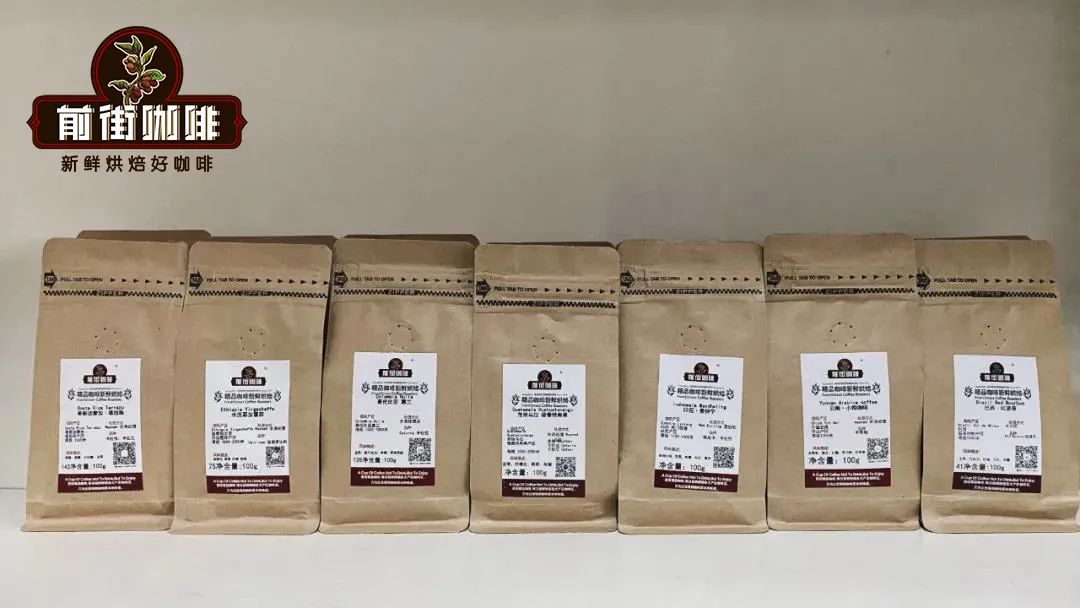
The consistency of brew parameters is equally crucial. When you buy coffee beans after tasting them at a café, the shop typically provides recommended brewing parameters for that specific bean. Among these, the coffee-to-water ratio, water temperature, amount of coffee, and brewing technique are relatively easy to understand and replicate. But there are several critical details that are often overlooked, yet have a decisive impact on the final flavor.
Let’s start with water quality. Brewing coffee essentially means using water to dissolve the flavor compounds from the beans, so water quality is one of the most influential factors. The pH of the water affects the perceived acidity of the coffee—alkaline water will reduce acidity, and if the pH is too high, it may even produce an unpleasant alkaline taste; conversely, acidic water will enhance acidity, and if the pH is too low, it may make the coffee taste overly sharp.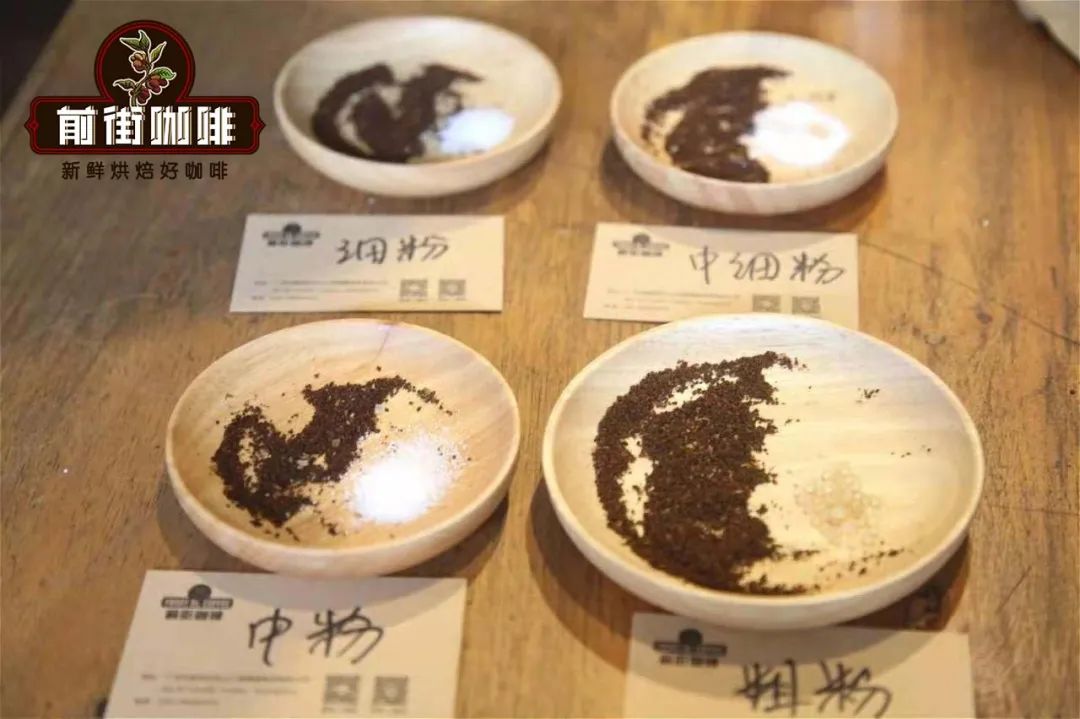
Another key indicator is TDS (Total Dissolved Solids), which refers to the total amount of dissolved substances in water, usually expressed in PPM (parts per million). A high TDS value (above 225) can lead to under-extraction, where flavors are not fully released; while a low TDS value (below 75ppm) can cause over-extraction, resulting in a bitter or astringent taste. According to SCAA (Specialty Coffee Association of America) standards, the optimal TDS range should be between 125 and 175ppm. It’s worth noting that different cafés use different water sources, so their TDS values naturally vary. If you encounter flavor issues when brewing at home, it’s worth paying attention to this parameter—you might even consider asking your favorite café about the water they use.
Grind size is another common source of problems. Even if the café gives you a reference grind size, the actual result can vary significantly because every shop uses different grinders. We also need to pay attention to whether the grinder produces a uniform grind, the proportion of fines, and the overall particle condition. Even the same model of grinder may change its grind performance over time, not to mention the differences between different brands or models.
One way to address this issue is to establish a unified standard. For example, professional coffee shops might use a national standard No. 20 sieve (850 microns) to calibrate grind size. According to SCAA cupping standards, the passing rate through a No. 20 sieve for cupping grind size should be 70–75%. For pour over brewing of light-roast coffee, the ideal grind size is usually around 75–80% within this range.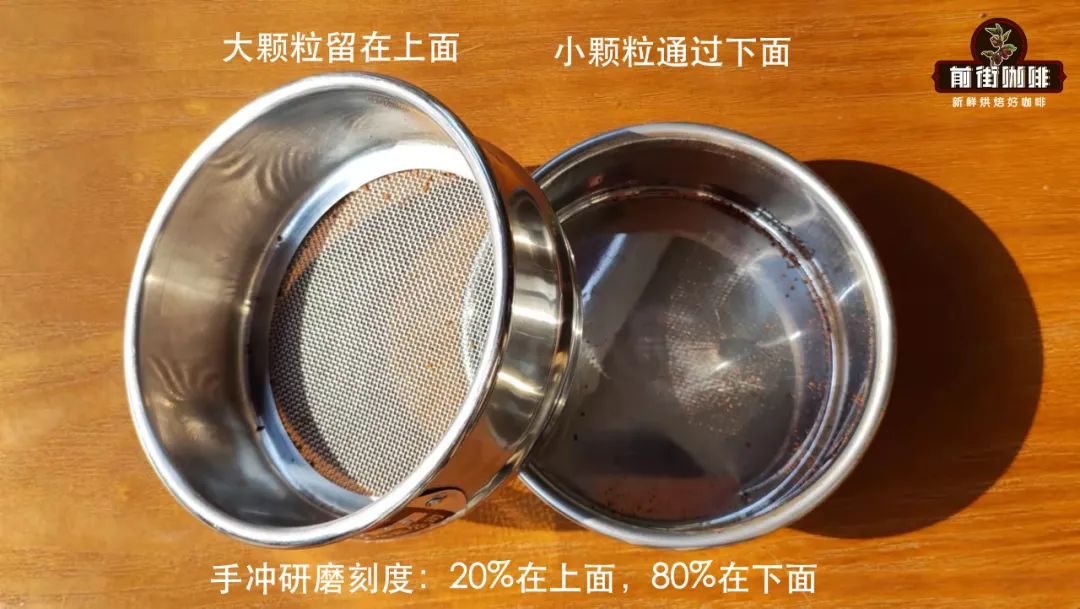
Many coffee enthusiasts report that they often encounter poor coffee bed performance when brewing at home, resulting in coffee flavors that fail to fully express themselves. This is usually caused by a grind that is either too coarse or too fine, or by uneven coffee grounds (too many fines). If you’re facing such issues, try using a standard sieve to calibrate your coffee grind—it’s one of the effective ways to improve your home brewing quality.
The above content is compiled by CoffeeHunters, a coffee news website.


