







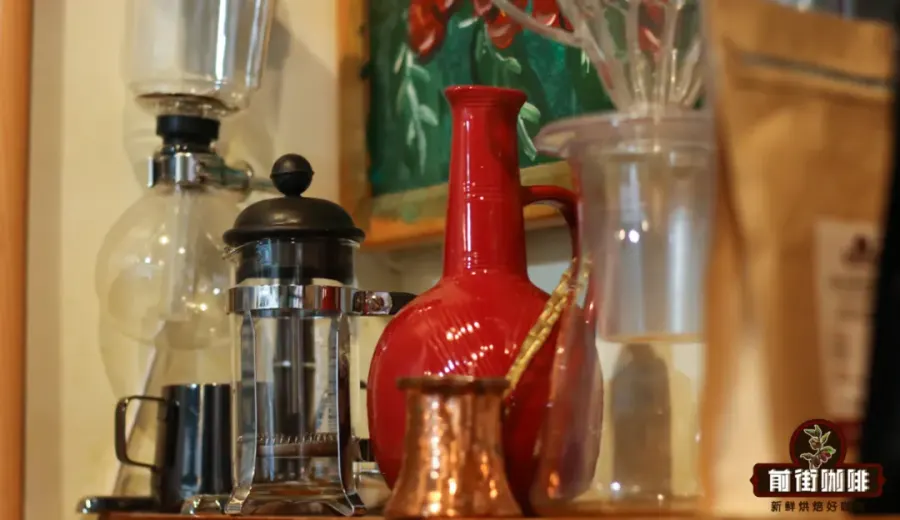
Introduction:When you walk into a café and place an order, single-origin coffees are almost always served via pour over. Why not siphon or French press? In fact, there are comprehensive advantages behind this choice. Pour over performs exceptionally well and balanced across six key dimensions: flavor expression, ease of operation, brewing efficiency, parameter control, versatility in brewing styles, and visual experience. This article delves into these advantages to help you understand why pour over has become the mainstream choice for single-origin beans in cafés.
Have you noticed that when ordering at a café, most single-origin coffees are presented as pour overs? Why not use siphon brewers, French presses, or other devices? The answer isn’t complicated—pour over offers the most balanced overall performance, making it the all-rounder among brewing methods. It excels in six aspects: flavor presentation, ease of use, speed of service, parameter adjustability, brewing versatility, and visual appeal. Next, we’ll explore these six strengths in depth to help you understand why pour over is the preferred method for brewing single-origin beans in cafés.
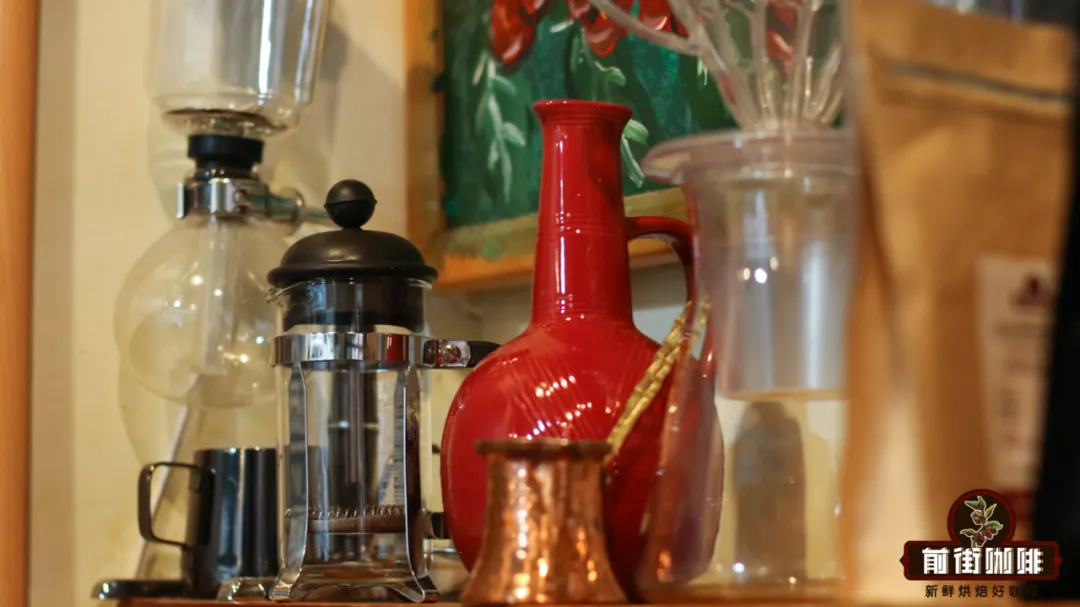
Many customers often ask if they can use their own equipment to brew single-origin coffee. When told it’s not possible, they usually follow up with: “Is it because those other methods don’t make as good a cup as pour over?” or “Why do cafés prefer pour over for their single-origin beans?” There are plenty of similar questions online. Today, let’s talk about this topic—why cafés almost always choose pour over for their single-origin coffee.
The reasoning is actually quite simple, and it’s the same explanation given to customers in-store. Compared to other devices, pour over offers more comprehensive overall performance. You could think of it as the “six-sided warrior”—it may not dominate in any one single metric, but overall, it’s the best solution for cafés serving single-origin coffee.

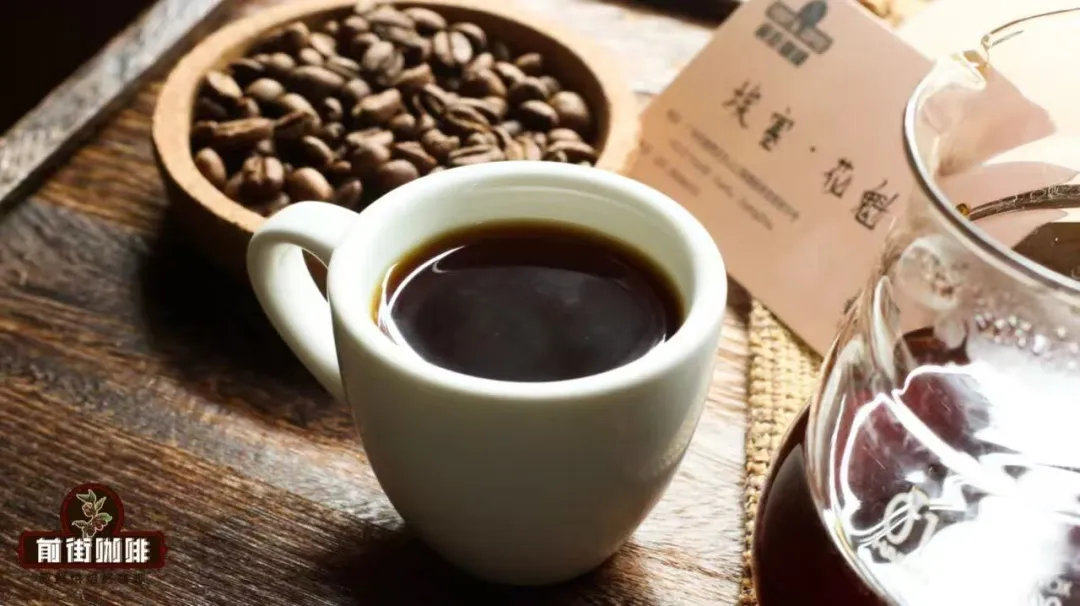
First, pour over can effortlessly highlight distinct coffee flavors. Since the 1990s, the rise of specialty coffee has led more people to focus on flavor profiles, with every step from cultivation and roasting to brewing centered around enhancing those flavors. Among various extraction methods, pour over is one of the best at showcasing flavors. It’s a drip filtration method that easily produces coffee with clear, layered taste profiles. For example, take the Ethiopian Hua Kui single-origin coffee listed on a café’s menu—when brewed using pour over, its strawberry, floral, creamy, and citrus notes are particularly prominent, with balanced acidity and sweetness, and a light mouthfeel. It’s easy to discern the different flavor layers.
If you switch to an immersion brewing device, such as a French press, while the coffee may have better body and a more balanced taste, the individual flavors are relatively less distinct. This isn’t to say French press is inferior—it’s just that each method has its strengths. However, this alone isn’t enough to make pour over the mainstream for single-origin brewing, because with adjusted parameters and techniques, other devices can also produce similar results. As mentioned earlier, pour over is a “versatile all-rounder.” Beyond easily producing vibrant-flavored coffee, it also boasts other strengths—like ease of use.
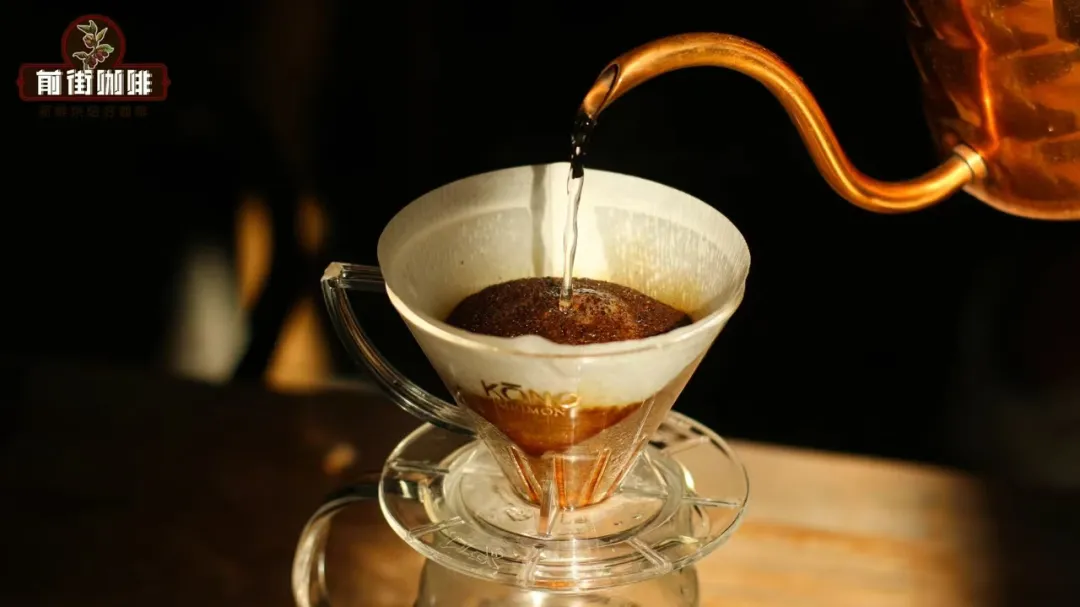
Convenience is a major reason why pour over is so popular. Whether in operation or cleanup, it’s simpler than most brewing methods. The process isn’t complicated, and cleaning is straightforward. All you need is a tool for pouring water, along with filter paper and a filter cone, and you’re ready to brew. The filter paper is disposable—you can simply lift it out after brewing, toss it along with the coffee grounds into the trash. Then just rinse the filter cone and server with water, and your cleanup is done. It’s extremely convenient and hassle-free.
In addition to convenience, speed is another reason for pour over’s wide appeal. From start to finish, brewing a great cup takes only about five minutes. Most other methods take around ten minutes, so pour over takes half the time or even less. Coupled with easy preparation and cleaning, choosing pour over significantly boosts a café’s brewing efficiency.
Compared to most extraction methods, pour over offers stronger controllability. Unlike pressure-based extraction, which can be disrupted by excessive CO₂ release from the coffee beans, pour over allows you to easily brew a delicious cup simply by tweaking parameters or adjusting your pouring technique. Moreover, since the parameters used aren’t overly extreme, during brewing you can judge whether extraction is proceeding normally based on the condition of the coffee bed and water level, then make timely adjustments to avoid under- or over-extraction defects.
Of course, we must also mention the high playability of pour over. In this respect, its potential is enormous. Just the variety of available tools—filter cones, filter papers, etc.—is already quite extensive. When it comes to the actual brewing process, there are numerous pouring methods to choose from, such as the three-pour method, 4-6 pour, stirring method, and variable temperature brewing. These different options allow you to produce coffee with varying profiles—for example, some methods can enhance sweetness, others can bring out a pronounced juiciness, one type of filter paper may boost aroma, while another yields a cleaner taste.
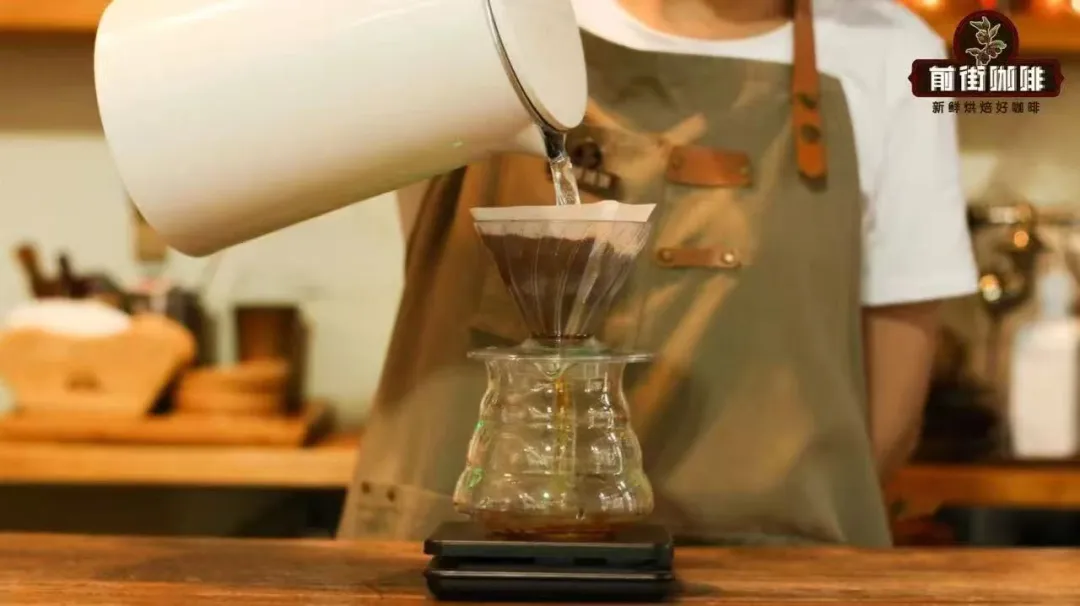
Finally, there’s the high visual appeal of pour over. The process of making pour over coffee is visually captivating. Whether it’s the intense focus of the barista while pouring, the whirlpools formed by the circling water stream, the blooming coffee puck during the bloom phase, or the deep crater left in the coffee bed after full drainage—these all offer customers a rich visual experience.
Considering all six points above, we can now understand why cafés typically opt for pour over when serving single-origin coffee, rather than using siphon brewers, French presses, or other methods. Of course, other methods are not ruled out—they’re just far less common.
The above content is compiled by CoffeeHunters, a coffee news website.


