







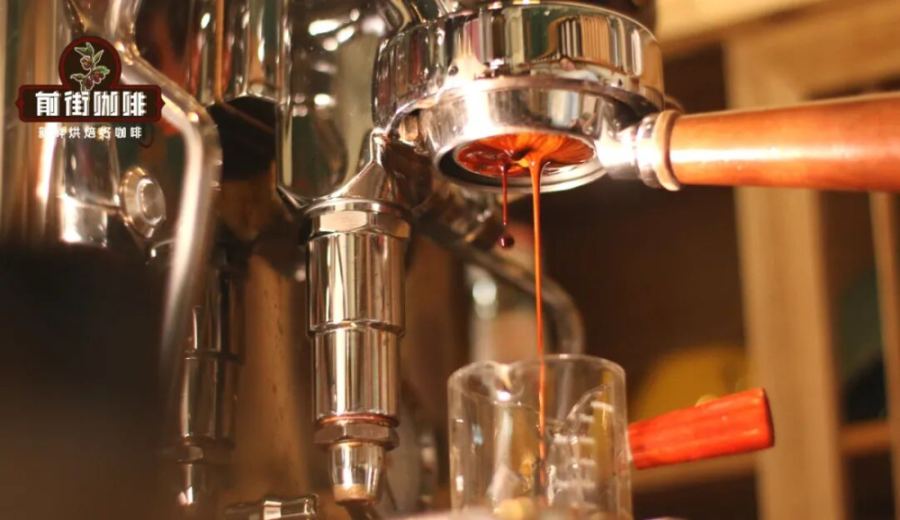
Introduction:Have you ever wondered why coffee shops often discard the first shot of espresso brewed after turning on their machines in the morning? In fact, this practice is tied to key factors such as leftover coffee grounds, machine preheating, and stabilizing extraction parameters. This article delves into the reasons behind discarding the first shot and, with home users in mind, offers practical advice on whether to toss it, how to handle leftover coffee puck, and how to properly preheat your machine—helping you save coffee beans while ensuring consistent flavor in every cup.
Many coffee enthusiasts have noticed a common phenomenon: the first shot of espresso made by cafés in the morning is usually not served to customers but poured out before official service begins. While this may seem wasteful, there are multiple reasons behind it—including residual coffee grounds, the impact of overnight coffee puck, and unstable extraction parameters due to the machine not yet being fully warmed up. So, should home users who brew only small amounts of coffee daily follow the same practice? This article will explore the rationale behind it and provide more practical operational tips tailored for home use.
First, let’s take a look at what happens in coffee shops and why the first shot of espresso is often discarded. Taking a common café operation as an example, before the day’s official business begins, baristas will pull a shot of espresso—but this one is not served to customers. Instead, it is immediately discarded, followed by subsequent parameter adjustments and preparation for service. This step is not just routine—it’s essential to ensure the consistency and stability of all subsequent coffee quality.
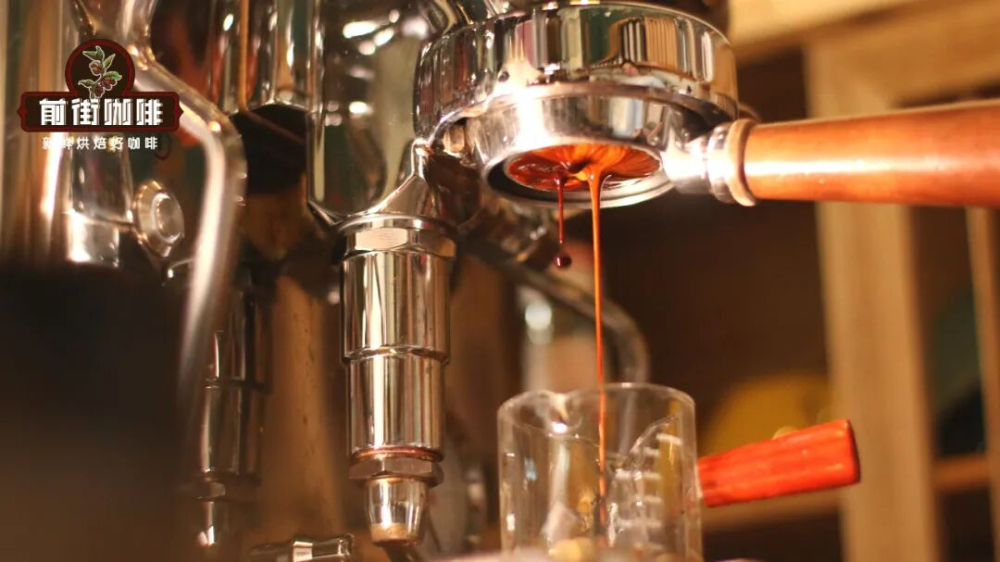
Why is the first shot of espresso not suitable for drinking? The main reasons can be summarized into the following three points:
1. Residual Coffee Grounds
To maintain machine cleanliness and the purity of coffee flavor, cafés typically use a special cleaning powder at the end of each day to deeply clean the portafilter and remove accumulated coffee oils and residues. Although most of the cleaning powder is flushed away with water, trace amounts may still remain in the tiny crevices of the group head. If a shot isn’t pulled and discarded first, these residues could affect the flavor of the first coffee of the day—and may even pose health concerns—so the first shot of espresso is usually discarded.
2. Impact of Overnight Coffee Puck
The grind pathway in espresso grinders is more complex and has longer channels compared to standard grinders. Coffee grounds left unused from the previous night can easily remain inside. After sitting overnight, much of the carbon dioxide in the coffee grounds has been released, and the aroma has significantly diminished. Even if these “overnight grounds” are reused, the resulting espresso often lacks the desired layers and freshness, offering very little reference value—hence it’s recommended to expel any residual grounds during the first use in the morning.
3. Extraction Parameters Not Yet Stable
Water temperature and pressure are two key parameters affecting espresso extraction. When a coffee machine is first turned on, these values usually take about 10 to 20 minutes to stabilize at their set standards. In the beginning, the water temperature might be too low, leading to under-extraction, resulting in a sour and less aromatic cup; unstable pressure can also cause uneven extraction. Therefore, the first shot of espresso often fails to achieve the ideal extraction state, and the process itself helps the machine reach stable operating conditions.
So, do home users also need to follow suit and discard the first shot of espresso every day? The answer can actually be more flexible.
First, if you don’t brew coffee frequently—just 1–2 cups per day, rarely adjust grind size, and don’t deep-clean your machine daily—then deliberately grinding beans to make a shot just to discard it is truly wasteful. But that doesn’t mean you can completely ignore the cleaning and preheating steps. Here are some practical suggestions you can follow:
1. Residual Coffee Puck Handling Advice
If you’re used to grinding fresh coffee beans right before each brew, it’s unlikely that too many coffee grounds will accumulate in the pathway, so you can usually proceed directly to extraction. However, if you often load coffee beans into the bean hopper in advance, overnight grounds may have oxidized or deteriorated. It’s recommended to grind an additional 5–8 grams of coffee and discard them before the official brew to eliminate the influence of degraded grounds.
2. Handling After Deep Cleaning
If you used a cleaning powder to perform a deep clean of the machine the previous day, it’s recommended to use about 12–15 grams of coffee grounds for the first extraction. Tamp them firmly and pull a shot of espresso—this helps “flush out” any residual cleaning agents and prevents them from affecting the coffee taste.
3. Machine Preheating Techniques
Even if the machine indicates that the preset water temperature has been reached, it’s still advisable to wait for about 5–10 minutes to allow internal components to fully warm up. Then, attach the portafilter to the group head without adding coffee grounds, and release hot water for about 6–8 seconds. Repeat this process 4–5 times to effectively enhance the overall system stability and extraction consistency.
In summary, coffee shops discard the first shot of espresso out of high standards for flavor and hygiene, while home users can adjust flexibly based on their own habits. The key is not simply “to discard or not,” but to understand the reasoning behind it and adopt preheating and puck-handling strategies suited to your own needs—so you can enjoy delicious coffee while balancing efficiency and cost-effectiveness.
The above content is compiled by CoffeeHunters, a coffee news website.


