







Category: Coffee Knowledge
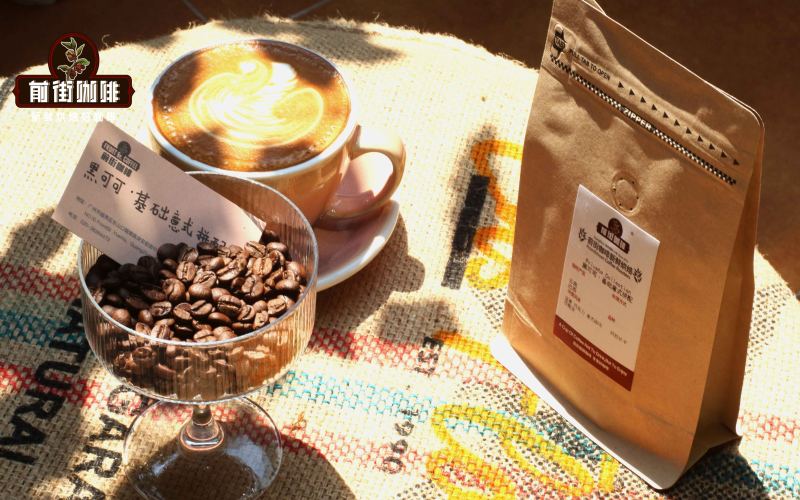
How to Choose an Italian Blend? A Comprehensive Guide to Regional Flavor Differences and Roast Levels in Northern, Central, and Southern Italy
To extract an espresso with balanced flavor and rich layers, single-origin beans often fall short—the key lies in precisely mastering the blend ratio and roast level. This article delves into the unique flavor profiles of coffee from different regions in Italy, explores how the roast depth of espresso beans influences the final cup, and offers practical advice to help home users and small coffee shops select the most suitable blends and roast styles based on their needs. [more…]

Analysis of Italian Coffee Roasting Styles: A Comprehensive Guide to Regional Differences and Blending Choices in Southern, Central, and Northern Italy
To brew an enchanting cup of espresso, it’s not only essential to master extraction techniques but also crucial to choose the right roasting style and blend. This article delves into the roasting characteristics of Italy’s three major regions—Southern, Central, and Northern—and analyzes how they influence the balance of acidity, sweetness, bitterness, and overall mouthfeel. It also introduces several classic blends and their practical applications, offering inspiration and direction whether you’re using a home espresso machine or running a café. [more…]
Analysis of the Three Main Reasons Why Cafés Fail: Decoration Traps, Mindset Blind Spots, and the Challenge of High Rent
Many aspiring entrepreneurs fail in café operations due to a lack of market understanding and business preparation. This article delves into three typical failure patterns: over-investing in décor and high-end equipment while neglecting actual operational needs, holding onto a wait-for-payback mindset that makes it impossible to survive the initial downturn, and the fatal pressure brought by soaring rents. It also provides practical advice ranging from learning basic knowledge, gaining hands-on experience, to financial planning, helping potential shop owners avoid common pitfalls and increase their chances of success. [more…]
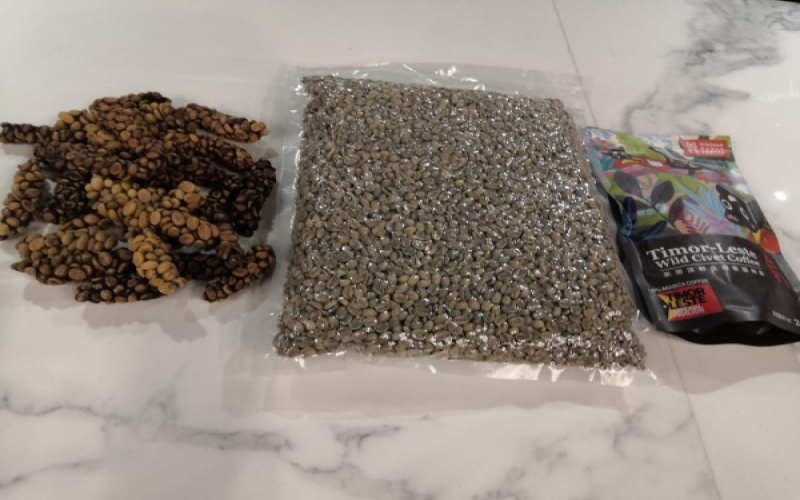
The Big Reveal on the Price of Indonesian Civet Coffee: What’s the Difference Between Wild and Farm-Raised? Is a Cup at 396 RMB Worth It?
Civet coffee is hailed as the finest in the coffee world, with prices ranging from thousands of dollars per kilogram to just a hundred yuan on Taobao—a staggering difference. This article delves into the real market prices of Indonesian civet coffee, explores the key differences between wild and farm-raised versions in terms of flavor, origin, and cost, and uncovers the science behind how the civet's unique digestive process influences coffee flavor. Helping you make a smarter choice. [more…]
How much does civet coffee cost per kilogram? A complete breakdown of production and tasting from Sumatra to the World Expo
Civet coffee is known for its sky-high prices, with market rates reaching up to $1,200 per kilogram, and a single cup once sold for 396 RMB at the 2010 Shanghai World Expo. What exactly makes this coffee, derived from civet droppings, so special? This article delves deep into the reasons behind its high cost, its unique fermentation process, the proper brewing methods, and offers health-related drinking advice, helping coffee enthusiasts fully understand this legendary beverage. [more…]

A Complete Guide to Indonesian Mandheling Coffee Beans: Varieties, Wet-Hulling Process, and Pour Over Recommendations
Dive deep into the unique charm of Indonesian Sumatran Mandheling coffee—from the classic Typica and Catimor varieties to the signature wet-hulling processing method. This article provides a detailed analysis of its flavor characteristics and regional differences. It also includes an actual comparison between the well-known Lin Dong Mandheling from a prominent coffee brand and PWN Golden Mandheling, along with sharing expert pour over parameters to help you extract a rich and layered coffee experience. [more…]

Complete Guide to Espresso: Extraction Parameters and Flavor Differences from Espresso to Ristretto and Lungo
Espresso is the base for many classic coffee beverages. Understanding its categories, extraction essentials, and flavor characteristics can help you better appreciate your coffee. This article provides a detailed introduction to four types of espresso—Espresso, Ristretto, Normale, and Lungo—analyzing their differences in coffee-to-water ratio, extraction time, and flavor intensity. It also uses practical examples to guide you through key steps such as dosing, leveling, and controlling the extraction process. [more…]

No crema on your espresso? The ultimate 2024 troubleshooting guide: from beans to equipment
Have you noticed that the espresso you brew at home often lacks that attractive layer of golden crema? This crema is not only key to aesthetics but also one of the crucial indicators of a successful extraction. This article will comprehensively analyze all the factors affecting crema formation — from coffee bean selection, freshness, and roast level, to machine pressure, grind size, and water temperature control — helping you identify the root of the problem and adjust your brewing to achieve the ideal crema performance. [more…]
Flavor Profile of Kenyan PB Peaberry Beans | How to Identify Grades and Best Brewing Recommendations
Kenyan PB peaberry beans are highly talked about in the specialty coffee community due to their scarce production and meticulous processing. This article will take you deep into the formation principles of PB peaberry beans, their grade classification, and their special status within the Kenyan coffee system. It not only analyzes their flavor profile but also provides practical cupping record references to help you more accurately select and brew this unique coffee. [more…]
Ethiopia Yirgacheffe Aricha Natural G1: A Comprehensive Guide to Pour Over Flavor and Brewing Tips
The Yirgacheffe region in Ethiopia is world-renowned for its distinctive floral and fruity flavor profiles, and the Aricha Natural G1 coffee beans produced by the Kebel Aricha washing station are hailed as the "King of Fruits." This article delves into the origin background and green bean characteristics of this premium coffee, and provides practical pour over parameters and flavor profiles to help you fully grasp its brewing potential. [more…]
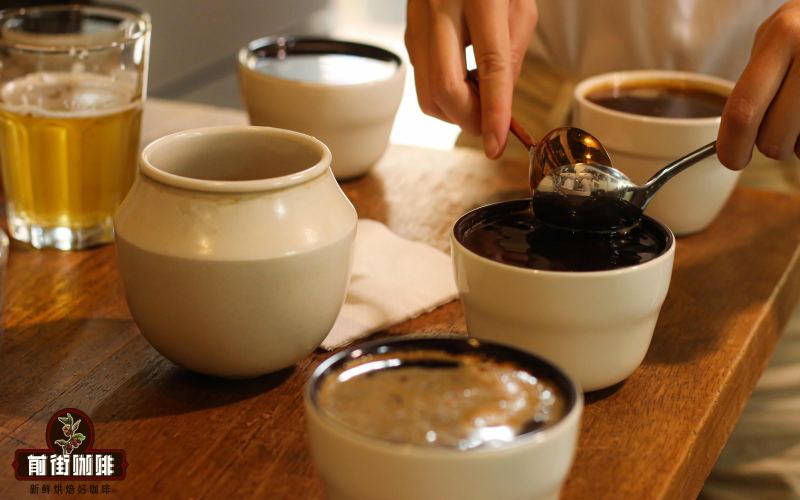
What's the difference between cupping and triangle testing? A complete guide from extraction standards to sensory identification
Want to dive deeper into coffee quality evaluation? Cupping and triangle testing are professional methods commonly used in the industry, but many people still have only a vague understanding of their differences and actual operations. This article will explain in detail the origin and background of cupping, its standard procedures and key parameters, and compare the identification purpose of triangle testing. It will guide you through the complete techniques from grinding and pouring water to slurping, helping you enhance your coffee tasting skills. [more…]

Secrets to Judging and Selecting Fresh Coffee Beans: Roast Date, Aroma Identification, and Flavor Guide
When purchasing coffee beans, do you often feel overwhelmed by the overwhelming array of choices? This article will guide you through key factors such as roast date, packaging design, and aroma identification, helping you deeply understand how to choose fresh coffee beans that suit your taste. Whether you're a beginner or an intermediate coffee enthusiast, you'll gain practical selection tips and recommended directions to enhance every brewing experience. [more…]
Beginner’s Guide: 4 Steps to Choosing the Right Coffee Beans – Freshness, Roast Level, Flavor, and Pour Over Basics
Faced with the overwhelming number of coffee bean options on the market, do you often wonder how to choose without making a bad buy? This article provides a clear and practical four-step selection method — from identifying freshness, determining suitable roast levels and flavor profiles, to getting started with affordable pour over beans, and finally exploring specific regions. It helps you easily master the buying tips and enjoy coffee that truly suits your taste. [more…]

Choose one of the three milk coffees: A professional analysis and comparison of cappuccino, latte, and Flat White
Have you ever hesitated in front of a coffee shop menu, unsure whether to order a cappuccino, latte, or Flat White? These three classic espresso-based milk coffees not only differ in appearance and milk foam thickness, but also in their origins and flavor profiles. This article provides an in-depth analysis of their historical backgrounds, cup sizes, milk foam ratios, and taste characteristics, along with a practical comparison reference to help you make the most suitable choice based on your personal preferences. [more…]
Top 11 Popular Cafés in Auckland: Savor Local Flavors and the Essence of Pour Over Coffee
Auckland, New Zealand is not only a globally renowned hub of coffee culture, but also famous for its diverse range of cafés. The Metro annual selection has revealed 11 highly praised culinary cafés, each with its own unique charm, spanning from Nordic minimalist styles to Laotian exotic cuisine. This article takes you deep into the signature dishes, ambiance, and beverage highlights of these cafés, ensuring you can find your ideal choice whether you’re traveling or simply enjoying coffee. [more…]
An Analysis of Five Key Extraction Elements: A Beginner's Guide to Flavor Tuning in Pour Over Coffee
To brew a cup of coffee with balanced flavor and distinct layers, the key lies in mastering the core elements of the extraction process. This article delves into five crucial variables—freshness, grind size, water quality, water temperature, and pouring technique—to help you fundamentally understand how to adjust parameters for optimal extraction yield and captivating flavor. Whether you're a beginner or an advanced pour over enthusiast, you'll gain practical tuning inspiration. [more…]
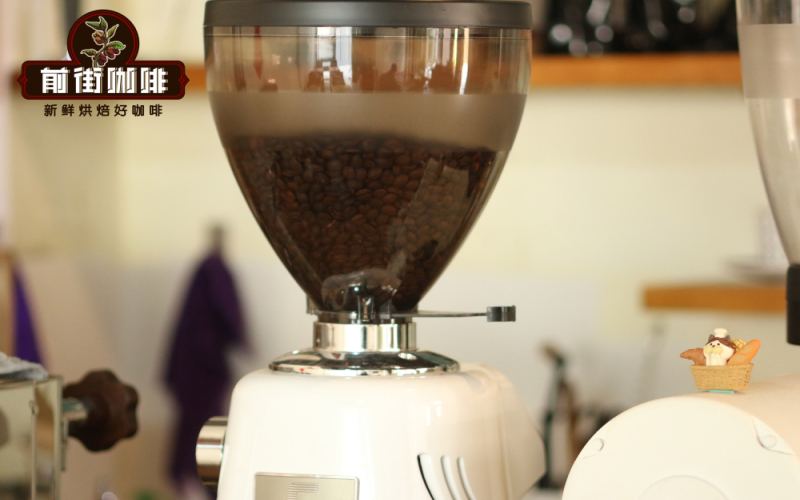
A Complete Guide to Adjusting Espresso Grind Size: From Beginner to Precision Settings
Espresso has extremely strict requirements for grind size—any slight deviation can directly affect flow rate and flavor performance. This guide will take you through the process of finding the right grind range from scratch, mastering the use of a 1:2 coffee-to-water ratio and the golden extraction time of 20–30 seconds, and learning how to fine-tune to the optimal setting for each coffee bean by observing flow rate, crema, and flavor details, in order to craft a richly layered and balanced espresso. [more…]
Complete Guide to Turkish Coffee: Grind Size, Brewing Method, Cultural Etiquette & Beginner Tips
Turkish coffee is not just a beverage, but an age-old traditional ritual. This article dives deep into the unique brewing process of Turkish coffee, including its ultra-fine grind standard, slow simmering over charcoal, foam presentation techniques, and its special significance in wedding customs and social settings. Whether you want to try making it at home or explore the cultural meaning behind it, this practical guide provides key knowledge and operational tips. [more…]
The Origins of Blue Mountain Coffee Beans: How Wallenford Estate Crafts Premium Flavor?
Why is Jamaican Blue Mountain coffee considered a legend in the coffee world? The answer lies in the historic Wallenford Estate, the oldest coffee plantation at the foot of the Blue Mountains. This article delves into this government-operated coffee estate—exploring its geographic conditions, bean variety selection, and meticulous processing methods—to uncover why it produces what is globally recognized as the finest Blue Mountain coffee beans. You’ll also discover the secrets behind authentic Blue Mountain flavor. [more…]
How to Drink an Espresso? Exploring the Three-Sip Method and Flavor Experience
Espresso is regarded as the essence of coffee, but to truly appreciate its charm, you need to master the correct way to taste it. This article will introduce the classic "Three-Sip Rule," guiding you step by step through the layers of flavor—from the intense stimulation of the first sip, to the mellow sweetness of the second, and finally to the caramel-like finish of the third. Moreover, it explains why connoisseurs always recommend finishing an espresso in three sips, helping you progress from a beginner to a true coffee enthusiast. [more…]