







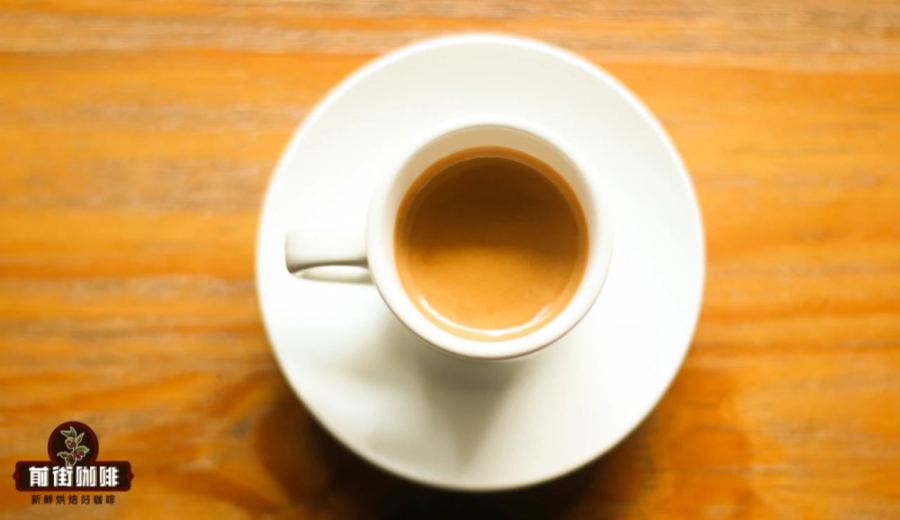
Introduction:Have you noticed that your homemade espresso often lacks that enticing layer of golden crema? This crema isn't just about aesthetics — it's one of the key indicators of a successful extraction. This article will comprehensively break down all the factors that influence crema formation, from the choice of coffee beans, their freshness, roast level, to machine pressure, grind size, and water temperature control. We'll help you identify the root of the problem and adjust your espresso to achieve the ideal crema performance.
The delicate, golden, and velvety layer of crema on top of an espresso shot is the hallmark of an ideal extraction for many coffee enthusiasts. However, many people — whether at home or in cafés — often encounter situations where the crema is thin or even completely absent. This actually involves a series of variables, from bean selection, roast degree, storage condition, to machine pressure output, grind setting, and water temperature configuration. Every step can affect the final crema outcome.
Ideally, a well-made espresso should display a golden crema layer about one-third the total volume of the shot, floating above the dark coffee liquid. This crema not only looks rich and smooth, but also exhibits a creamy texture when swirled, adhering nicely to the cup walls and adding layers of flavor and mouthfeel to the entire coffee.

When you find that your extracted espresso has no crema at all, or the crema is extremely thin, you can start by checking the following core elements:
a. Coffee Bean Freshness
Crema formation primarily comes from the mixture of carbon dioxide and oils from the coffee beans forming bubbles during extraction. Therefore,freshness is the primary factor determining whether the crema is rich.Generally, freshly roasted coffee beans are still in a stage where they release a large amount of carbon dioxide, but beans that are too fresh may also cause the crema to be overly active and unstable. Typically,the resting period (degassing phase) for espresso beans is 7 to 10 days after roasting,after which they gradually exhibit stable extraction performance and crema development.
b. Coffee Bean Roast Level
Under the same freshness conditions,darker roasted coffee beans usually produce richer and more pronounced crema.Dark roasts, due to high-temperature, long-duration processing, release more oils and gases, helping to form dense crema during extraction. In contrast, lighter roasts have less development and release fewer oils and bubbles, resulting in a less visible crema layer.
c. Coffee Bean Variety Differences
Different coffee bean varieties also vary in their ability to generate crema.Robusta beans naturally contain more oils than Arabica beans,which is why some commercial espresso blends include a certain percentage of Robusta to enhance crema thickness and texture. For example, some classic espresso blends use Mandheling and Brazilian beans as a base, then blend in about 10% Robusta to strengthen both flavor and crema performance.
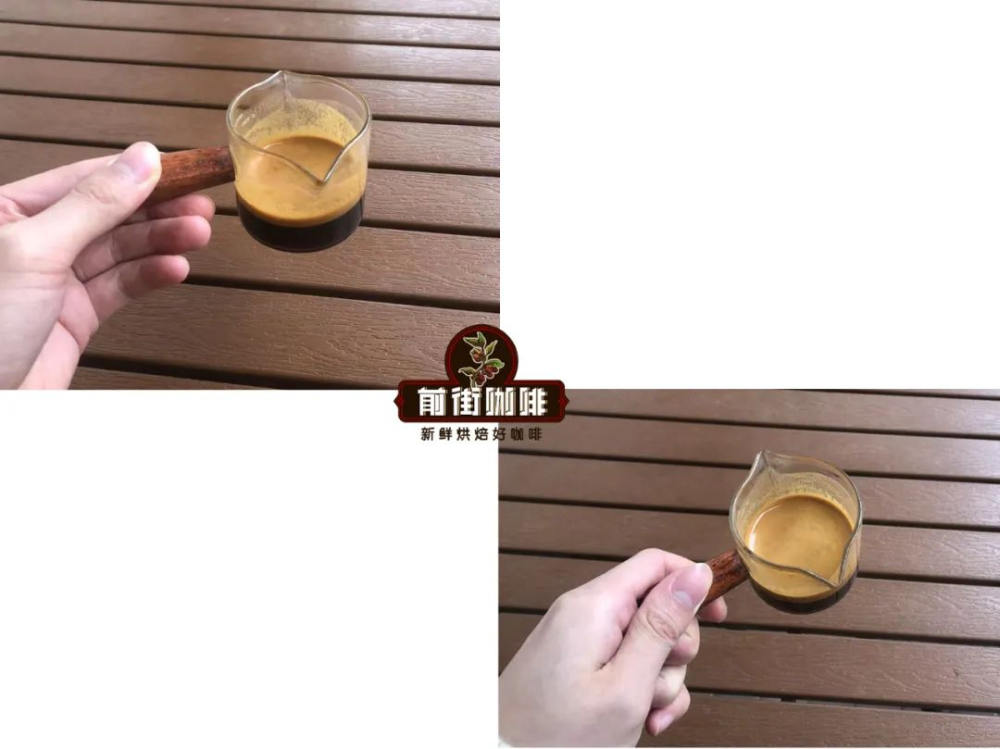
d. Espresso Machine Extraction Pressure
The reason espresso can extract that dense, golden crema lies in the9-bar stable pressureprovided by the espresso machine. This pressure effectively pushes out the soluble substances and gases from the coffee puck, forming a stable crema. If the home espresso machine you’re using cannot reach or steadily maintain 9-bar, crema generation will naturally be limited, or may not form at all.
Here are several common practical reasons for poor crema, along with how to self-diagnose them:
① Coffee Bean Roast Too Light
Coffee beans on the market are generally divided into light-roasted single-origin beans suitable for pour over, and dark-roasted blends suitable for espresso. If you mistakenly use light-roast beans for espresso, due to their lower oil and gas release,the resulting crema is usually thin, pale yellow or even close to white in color,and unstable, easily dissipating quickly.
② Coffee Beans Stored Too Long or Not Fresh
Even with proper roasting, if the coffee beans have passed their optimal freshness window, it can also lead to seriously insufficient crema. The ideal consumption period for espresso beans is within60 days after roasting,and if over two months have passed, even with proper storage, aroma and crema generation capacity will significantly decline. Note that freshly roasted beans typically spend the first seven days degassing and are not recommended for high-pressure extraction right away.
③ Espresso Machine Pressure Insufficient
Especially for home or entry-level espresso machines, a common issue is the inability to stably output 9-bar extraction pressure. If the pressure is insufficient, even if all other conditions are correct, the oils and essences from the coffee puck won’t be effectively pushed out, leading to missing or extremely thin crema.
④ Improper Grind Size
Using a grind that’s too coarse is one of the most common beginner mistakes. A coarse grind causes water to flow too quickly, shortening extraction time. This not only leads to a weaker-tasting coffee but also fails to form sufficient crema. Usually, if your double espresso finishes extracting in under 20 seconds, it may indicate the grind is too coarse — adjust finer to extend extraction time and increase contact pressure.
⑤ Water Temperature Too Low
Water temperature is another critical factor affecting crema. The generally recommended extraction temperature for espresso is around93°C.If the water is too cool, it suppresses the dissolution of coffee substances and the formation of bubbles, resulting in sparse or nonexistent crema. Additionally, some home machines require more than 10 minutes of warm-up time after startup. Brewing before the machine has reached a stable temperature can also lead to insufficient water temperature, negatively impacting crema and overall extraction quality.
The above content is compiled by CoffeeHunters, a coffee news website.


