







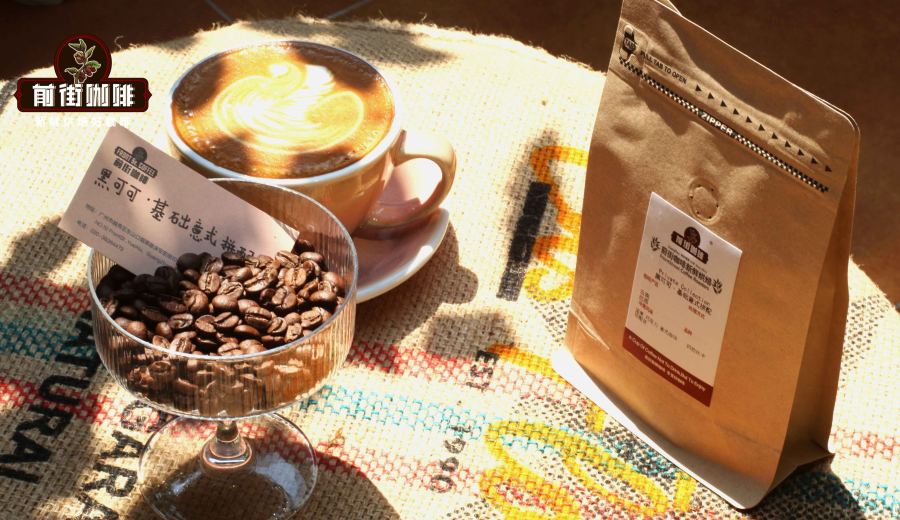
Introduction:To extract an espresso with balanced flavors and rich layers, a single-origin coffee bean often falls short—the key lies in mastering the precise blend ratio and roast level. This article delves into the flavor characteristics of coffee from different regions in Italy, explores how the roast depth of espresso beans affects the final outcome, and provides practical advice to help home users and small coffee shops select the most suitable blend and roast style based on their needs.
Crafting a satisfying shot of espresso is never as simple as relying on a single-origin coffee bean. In fact, the choice of blend and control of roast level are the core elements that determine the flavor performance of espresso. Coffee beans from different origins exhibit distinctly varied flavor profiles at various roast stages, and roasters must carefully adjust the bean composition and roast timing to present a rich yet layered shot. This article begins with the fundamentals of Italian-style blends, analyzes the roast depth strategies required for espresso, and introduces several representative blend combinations based on different taste preferences to help readers find a coffee bean solution that matches their own flavor profile.
How should the roast level of espresso be chosen? Can the roast degree be adjusted lighter or darker while still maintaining good extraction performance? How can diverse roast styles be used to enhance the market appeal of your retail roasted beans? If you’re facing these questions, feel free to continue reading the following content to gain a deeper understanding of the key points involved.
When discussing espresso beans, blending technique is the foremost consideration. Coffee beans from different origins often showcase their most representative flavors only at specific roast stages. Therefore, roasters must carefully balance the bean blend ratio and roast level to achieve a harmonious-tasting espresso. This technique not only involves the choice of roast level but also includes an understanding of the characteristics of each bean variety, as well as the roaster’s keen judgment of flavors. Only by balancing all three aspects can one create an espresso that is both balanced in mouthfeel and memorable in taste.
For consumers who prefer a bold flavor, there is a classic blend combination on the market that combines high-quality Arabica beans from Indonesia—Mandheling, Brazilian Red Bourbon, and a small amount of Vietnamese Robusta. Among them, Mandheling contributes unique spicy notes and a full-bodied texture, Brazilian Red Bourbon brings rich cream and roasted nut aromas, while the addition of a small amount of Robusta not only increases the coffee’s crema content but also makes it an ideal base for making lattes or Americanos, even excelling in latte art performance.
If you prefer a cleaner, less heavy mouthfeel, another blend combination is an ideal choice. This blend is based on small-bean coffee from the Yunnan region, exuding a mildly acidic quality reminiscent of ripe plums, and releases a rich creamy chocolate aroma upon grinding. The resulting espresso is not only dense in crema but also delivers complex nutty flavors such as almond, apricot kernel, and roasted walnut, achieving a balanced bitterness and sweetness with a smooth mouthfeel. Its roast aroma is intense, making it particularly suitable for making Dirty coffee—not only does the coffee bed look appealing, but the surface also displays an attractive dark brown “tiger-stripe” pattern. It’s worth mentioning that this blend is positioned as affordable, suitable not only for home espresso machines and moka pots but also as a cost-effective daily offering for community coffee shops.
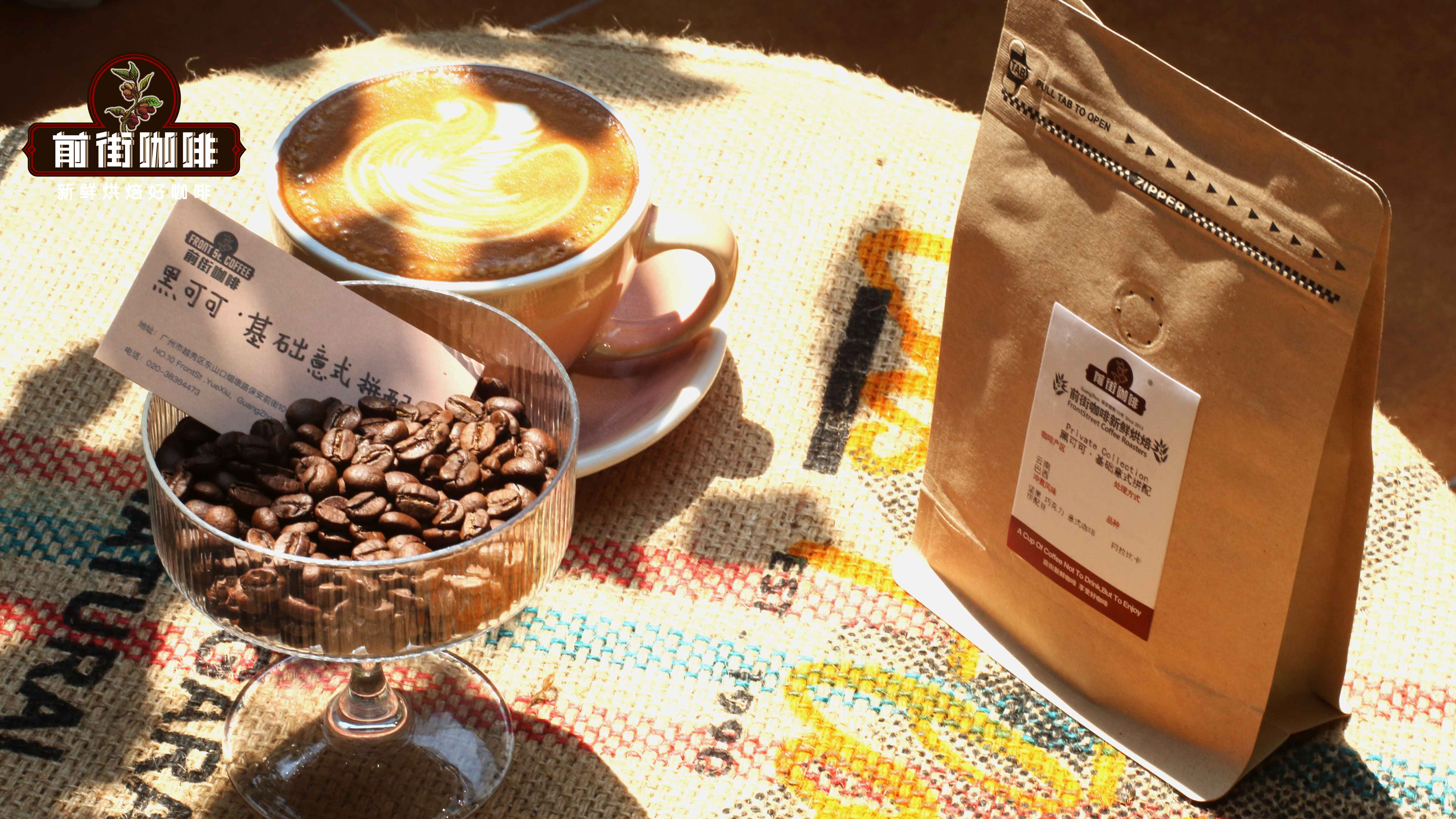
For consumers who are tired of traditional dark roast flavors and wish to explore sweeter profiles, high-sweetness blends offer a fresh alternative. These blends typically consist of three or more single-origin coffees from different regions, and in addition to natural rose floral notes, the resulting Americano or latte can also present diverse fruit flavors such as grape, dried blueberry, sweet orange, and fruit candy, creating a uniquely enjoyable drinking experience.
In summary, crafting a successful espresso requires not only high-quality coffee beans but also a deep understanding of blending logic and roast depth. Only through continuous experimentation and adjustment can one stand out in the competitive specialty coffee market and become a true promoter of coffee aesthetics and craftsmanship.
The above content is compiled by CoffeeHunters, a coffee news website.


