








Introduction:To brew an espresso with captivating flavors, it’s not only essential to master extraction techniques but also crucial to choose the right roast style and blend. This article delves into the roasting characteristics of southern, central, and northern Italy, analyzing how they influence the balance of acidity, sweetness, bitterness, and overall mouthfeel. It also introduces several classic blend profiles and their practical applications. Whether you’re a home barista or a café owner, you’ll find inspiration and direction here.
To brew a memorable espresso, the choice of roast level and bean blend often plays a pivotal role. Coffee beans from different regions reveal their most enchanting qualities at specific roast stages. Whether a roaster can grasp these subtle variations will directly affect the final flavor profile. This article will thoroughly analyze the blending principles of espresso beans and guide readers through the distinctions among the three major roasting styles of Southern Italy, Central Italy, and Northern Italy. It will also use commonly found commercial blends as examples to illustrate how to select the most suitable espresso beans based on personal taste preferences and intended use.
When we talk about the coffee beans used for espresso, the core lies in achieving flavor harmony through blending. Coffee beans from different countries each possess unique flavor traits, but to fully express these characteristics during extraction, the optimal balance between roast level and blend ratio must be found. This requires not only a deep understanding of roasting techniques but also a keen sensory judgment from the roaster. Only by balancing all three aspects can one create an espresso with balanced flavor and layered complexity.
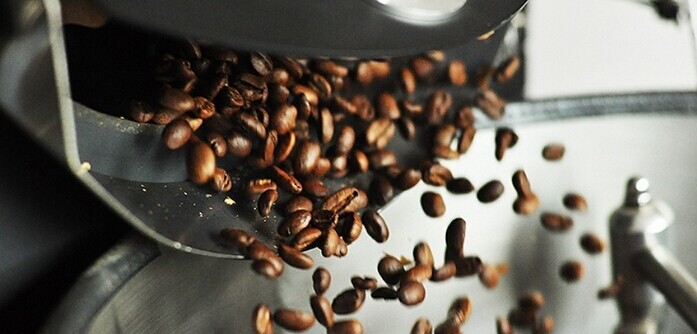
For consumers who prefer a bold and intense flavor, there are many classic dark roast blends to choose from. For example, a blend that combines Indonesian Mandheling, Brazilian Red Bourbon, and Vietnamese Robusta is a highly representative option. Among them, Mandheling offers deep, spice-like aromas and a rich body, Brazilian Red Bourbon brings soft cream and roasted nut notes, while a small amount of Robusta enhances the coffee’s crema performance, resulting in greater intensity and a smoother mouthfeel during extraction. Such blends are ideal for lattes, cappuccinos, or as the base for latte art.
If you prefer a smoother, less heavy flavor, there are also blends that showcase different layers of taste. For instance, some blends exhibit pronounced ripe fruit acidity and a chocolate foundation, releasing the aroma of creamy chocolate upon grinding. These beans can unfold flavors such as almond, hazelnut, and roasted walnut after extraction, achieving a well-balanced bitterness and sweetness with a silky mouthfeel, especially when paired with milk. At the same time, these blends produce rich crema, making them not only suitable for espresso but also enhancing Dirty coffees with an attractive coffee layer and deep brown tiger-stripe effect.
For those accustomed to traditional dark roast flavors but seeking options with more prominent sweetness, some sweet-forward blends have gradually gained popularity. These blends are typically composed of single-origin beans from various regions and can express multiple flavors such as rose, raisin, blueberry, sweet orange, and even fruit candy. These coffees are suitable for Americanos or lattes, offering rich taste layers without sacrificing sweetness—perfect for drinkers who enjoy a balance of fruity and sweet notes.
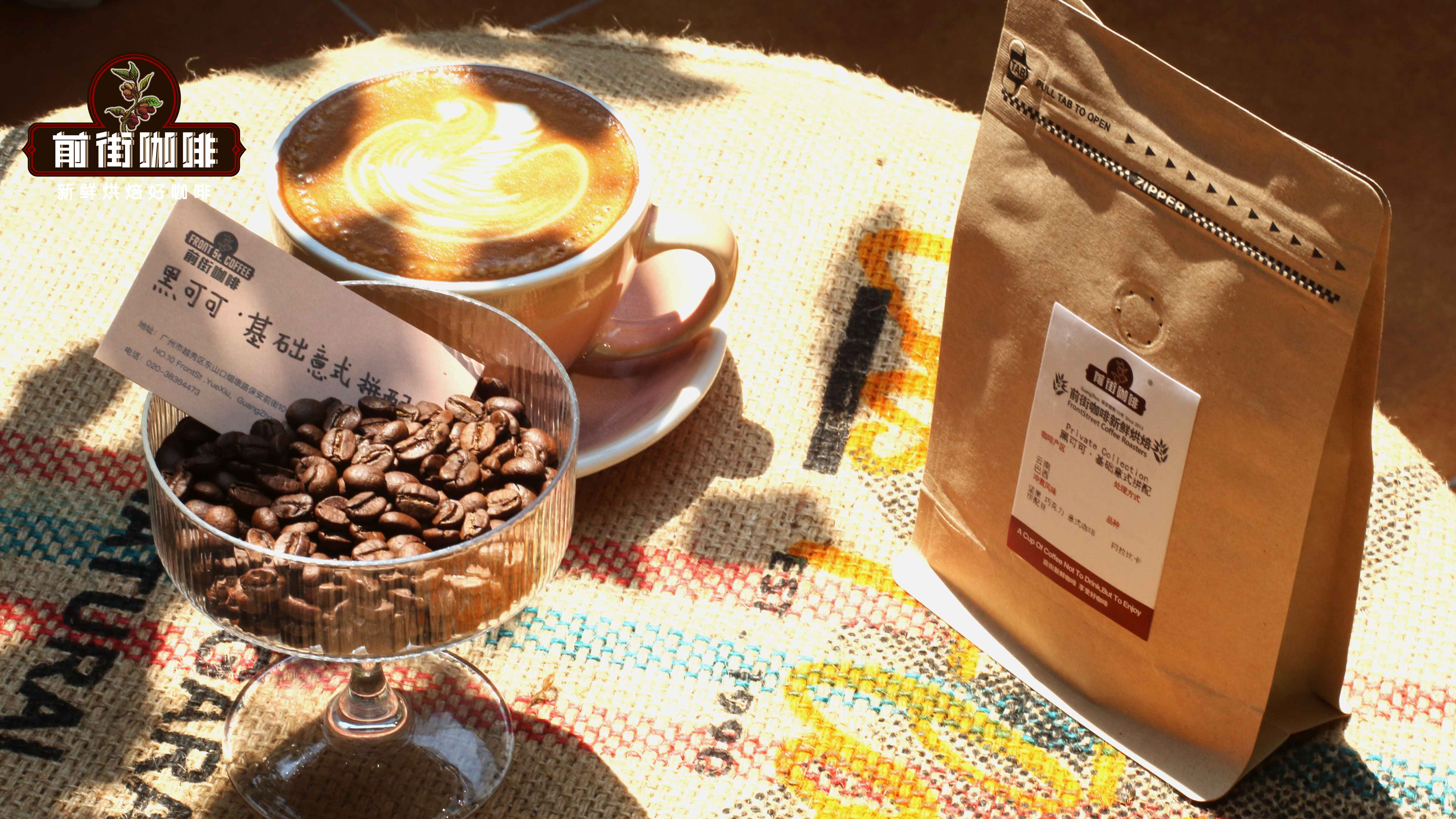
In today’s era of growing specialty coffee popularity, whether you’re a home user or a café operator, investing time and effort into understanding and practicing the roasting and blending of espresso can help you stand out in a competitive market. Not only can it meet consumers’ expectations for diverse flavors, but it also helps promote the depth and technicality of coffee culture, making every cup a meeting of taste and aesthetics.
The above content is compiled by CoffeeHunters, a coffee news website.


