







Introduction:Delve into the unique charm of Indonesian Sumatra Mandheling coffee—from its classic Typica and Catimor varieties to its iconic wet-hulled processing method. This article provides an in-depth analysis of its flavor characteristics and regional differences. It also includes a practical comparison between a well-known coffee brand's Lintong Mandheling and PWN Golden Mandheling, along with professional pour-over parameters to help you brew a rich and layered coffee experience.
Sumatra Mandheling coffee has carved out a niche in the global coffee market with its bold and full-bodied taste. Behind this distinctive flavor lie the secrets of variety selection and unique processing methods. This article will explore the origins of the name "Mandheling," the distribution of major producing regions, and focus on two core varieties—Timor (Tim) and Catimor—to give you a more comprehensive understanding of this classic coffee.
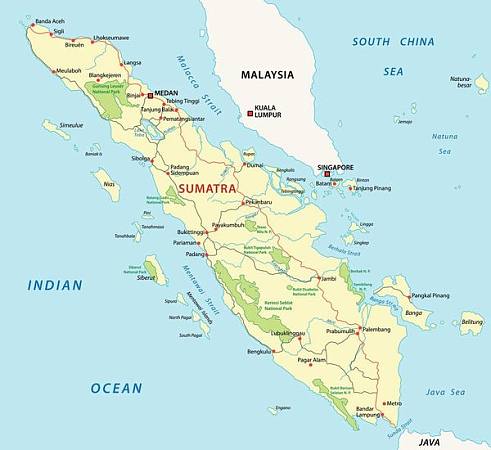
"Mandheling" is not actually a place name but originates from the name of an indigenous ethnic group on the island of Sumatra. Authentic Mandheling coffee is produced exclusively in Sumatra, particularly around Lake Tawar in the north and the mountainous areas surrounding Lake Toba in the south. These two major regions, due to differences in climate, altitude, and processing methods, yield Mandheling coffees with distinct flavor profiles. Lake Tawar, located at the northern tip of Sumatra, is small in area but has seen rapid quality improvements in recent years, primarily featuring the Gayo variety. Meanwhile, the area around Lake Toba is traditionally considered the home of the Lintong region and the origin of many classic Mandheling coffees.
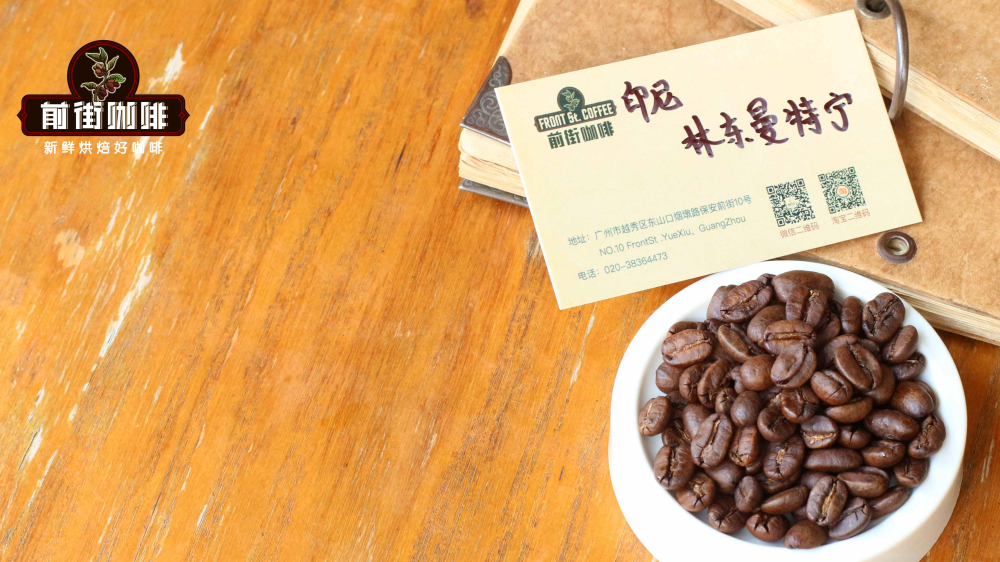
In terms of varieties, a well-known coffee brand's Lintong Mandheling mainly uses the Timor (Tim) variety, an Arabica type with Robusta lineage that boasts strong resistance to pests and diseases, making it well-suited to Indonesia’s high humidity and temperature. PWN Golden Mandheling, on the other hand, predominantly uses the Catimor variety—a hybrid of Caturra and Timor—which also offers good disease resistance and relatively stable flavor performance. Although these two varieties lack the pronounced floral and fruity notes typical of African beans, they excel in rich herbal, dark chocolate, and spice flavors, making them ideal for coffee lovers who prefer a bold taste.
When discussing Mandheling, one cannot overlook its most iconic processing method: wet hulling. Due to Indonesia’s tropical island climate, which is perpetually humid and rainy, traditional sun-drying or washed processing methods often take too long, hindering the quick turnover of green coffee beans for farmers. As a result, a unique wet-hulling method was developed—after the coffee cherries undergo water fermentation and pulp removal, the beans are hulled while their moisture content is still relatively high (around 30%–40%), removing part of the parchment layer before further drying. This method not only significantly shortens processing time but also imparts a heavier body and intense character to the coffee, becoming a hallmark of Indonesian coffee.
In the market, PWN Golden Mandheling is commonly regarded as a high-end G1 grade, requiring at least three rounds of manual sorting to retain only premium green beans that are 18 mesh size or larger, with fewer than three defects (per 300g sample). The beans are dark green in color and uniformly shaped. While many sellers offer so-called "Golden Mandheling," unless it comes from PWN with certification, it is typically classified as high-quality specialty Mandheling. In actual cupping comparisons, PWN Golden Mandheling exhibits a cleaner profile with pronounced sweetness but slightly lower body, whereas Lintong Mandheling stands out with its full texture and intense dark chocolate notes, catering to those who prefer a bolder cup.
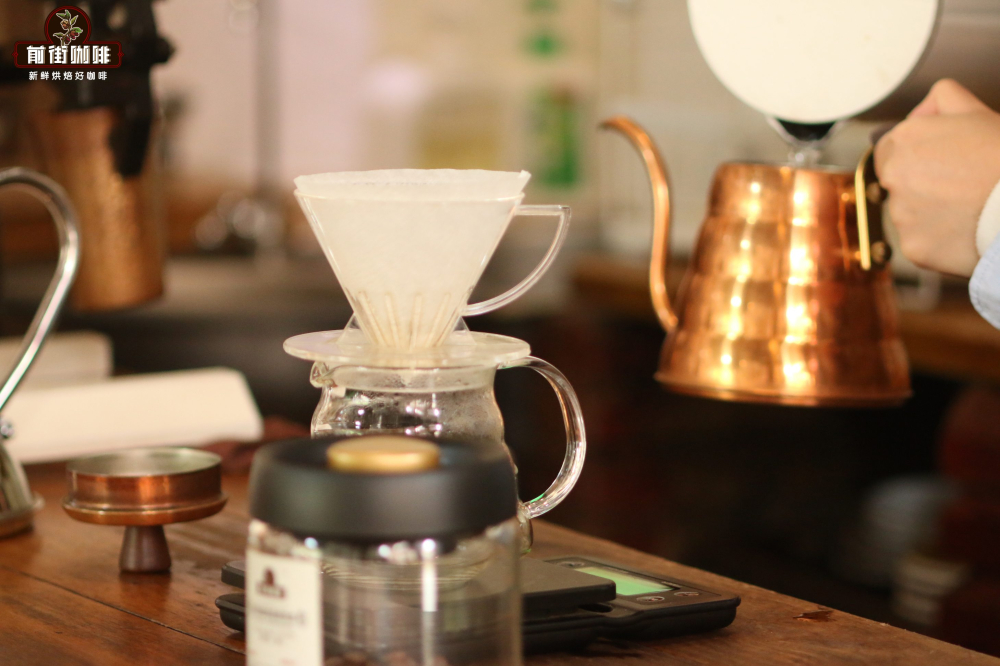
Both Lintong Mandheling and PWN Golden Mandheling are highly adaptable to brewing methods, whether pour-over or espresso blends. For pour-over, the KONO filter is recommended, using 15g of coffee, a 1:15 coffee-to-water ratio, and a grind size of 70% through a Chinese standard No. 20 sieve, with water temperature controlled at 88°C. The specific steps are as follows: fully wet the filter to ensure proper attachment, add the coffee grounds, then pour 30g of water for a 30-second bloom. Next, pour in a small circular motion centered around the grounds until reaching 125g, then pause for a break. Once the bed level drops, continue pouring to 225g, and let it drip through completely before enjoying. These parameters fully highlight Mandheling’s spice, dark chocolate, and caramel layers, delivering a full-bodied taste with a lingering finish.
It’s worth noting that Mandheling coffee, due to its naturally low acidity, rarely develops unpleasant sourness even when kept warm or prepared as iced coffee, making it highly suitable for daily consumption and various brewing methods. Additionally, to ensure optimal flavor, it’s recommended to use freshly roasted beans within five days of roasting to fully appreciate their aromatic complexity and layered nuances.
The above content is compiled by CoffeeHunters, a coffee news website.


