







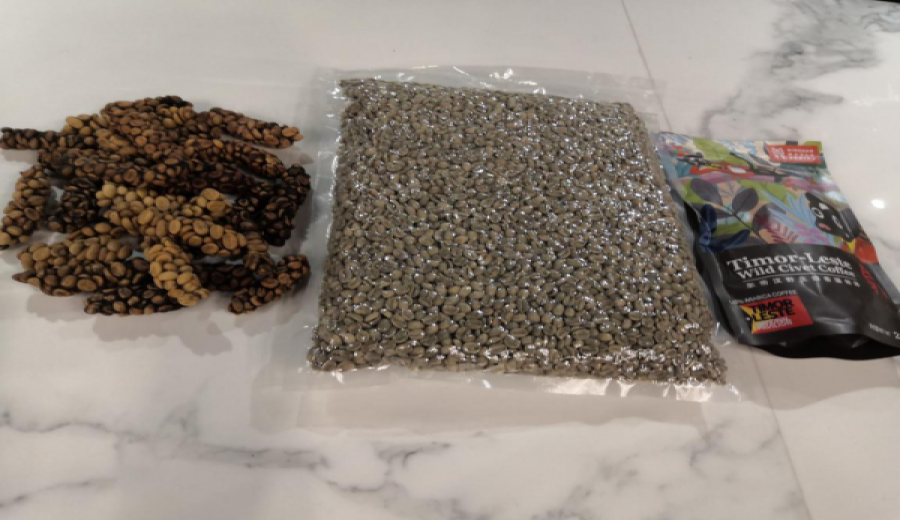
Introduction:Kopi Luwak, also known as civet coffee, is hailed as one of the finest coffees in the world. Its price ranges dramatically from thousands of dollars per kilogram to just a hundred yuan on Taobao. This article delves into the real market conditions of Indonesian civet coffee, explores the key differences in flavor, origin, and price between wild and farm-raised versions, and uncovers the science behind how the civet’s unique digestive process affects coffee flavor—helping you make a smarter choice.
Civet coffee (also known as cat poop coffee) is one of the most renowned rare coffees in the world. It once reached a record price of $1,200 per kilogram on the international market, sold for £50 per cup in London, and even fetched an astronomical 396 RMB during the 2010 Shanghai Expo. However, on platforms like Taobao, 100 grams of civet coffee beans can be purchased for around 200 yuan. Such a huge price gap leaves many coffee enthusiasts wondering: what exactly is a reasonable price for civet coffee? And can online products be trusted?
In fact, there’s no issue of counterfeit civet coffee because its formation process is truly unique—civets (also called palm civets) consume coffee cherries, then excrete the undigested coffee beans, which are subsequently processed into what we know as civet coffee. The price differences mainly stem from their source: wild civet coffee is usually more precious than farm-raised, and origin plays a crucial role too. For instance, coffee produced in Indonesia generally commands higher prices than that from Vietnam, which in turn is more expensive than coffee from Yunnan or other regions.
The reason why wild civet coffee is so expensive lies not only in its rarity and unique flavor, but also in the extremely labor-intensive collection process.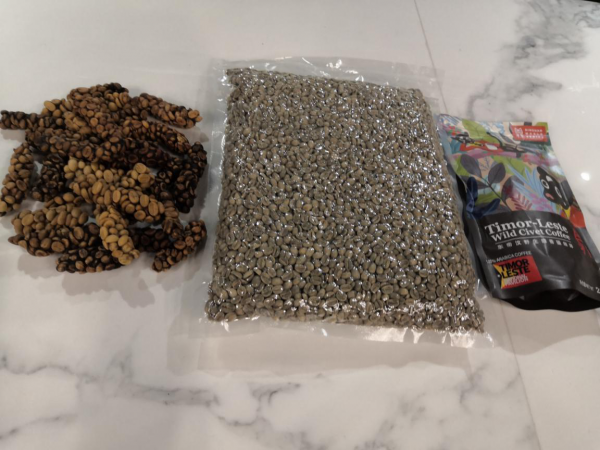 Civets are not ordinary house cats but animals belonging to the viverrid family. They have black-and-white fur, a cat-like body with a thick, long tail, and are commonly found in Southeast Asia’s tropical rainforests. They are nocturnal, hiding and resting during the day. As a result, collectors often have to venture into the mountains before dawn to search for civet droppings, because if they wait until noon, the coffee beans may ferment and spoil due to high temperatures and humidity, severely affecting quality.
The collected droppings must be carefully screened to pick out the undigested coffee beans, followed by washing and drying processes. This entire procedure is not only time-consuming but also yields very low quantities, which is one of the main reasons why wild civet coffee remains so expensive.
The civet’s digestive system plays a vital role in creating the unique flavor of this coffee. Its intestines are rich in special lactic acid bacteria. When the coffee beans enter the civet’s stomach, under the right temperature and acidity, the proteins in the beans are broken down into smaller molecular particles. These enzymes react with sugars during the subsequent roasting process, significantly reducing bitterness and producing a rich and distinctive aroma—an effect that no traditional processing method can replicate.
Precisely because of this irreplaceable “natural fermentation” process, civet coffee is hailed as the “royalty of coffee,” boasting exceptional complexity and layers of flavor. However, wild civet coffee is not only rare but also has an unstable yield. Under supply-demand imbalance, prices can easily be driven up, even becoming a target for market speculation.
In comparison, coffee produced by farm-raised civets also passes through the civet’s digestive tract. But due to limited living environments and a monotonous diet, the civets’ digestive systems are not as active as in the wild, resulting in beans with noticeably more muted flavors—and thus more affordable prices. However, even the farm-raised version is genuine civet coffee as long as it has genuinely undergone natural digestion by civets; it simply differs significantly in quality and taste from the wild variety.
In summary, whether a cup of civet coffee priced at 396 yuan is reasonable depends on whether it is wild or farm-raised, its origin, and its overall quality. If it comes from wild civets in Indonesia, its rarity and unique flavor could indeed justify a higher price. But if it’s a typical farm-raised product, consumers are advised to carefully assess its cost-performance ratio and learn more about the product’s origin and processing procedures before purchasing—only then can they truly appreciate the unique charm of this “coffee royalty.”
The above content is compiled by CoffeeHunters, a coffee news website.


