








Introduction:When buying coffee beans, do you often feel overwhelmed by the wide range of options? This article will guide you through key factors such as roast date, packaging design, and aroma to help you understand how to choose fresh coffee beans that suit your taste. Whether you're a beginner or an experienced coffee enthusiast, you’ll find practical selection tips and recommended directions to enhance every brewing experience.
When faced with various types of coffee beans on the shelf, how can you tell which ones are fresh and how to choose those that best match your personal taste? In fact, just by mastering a few key steps, you can easily avoid unfresh or unsatisfying beans, and improve your enjoyment with every pour over. Below, we’ll explore practical coffee bean selection techniques from the perspectives of freshness assessment, aroma recognition, roast maturity, and flavor preference.
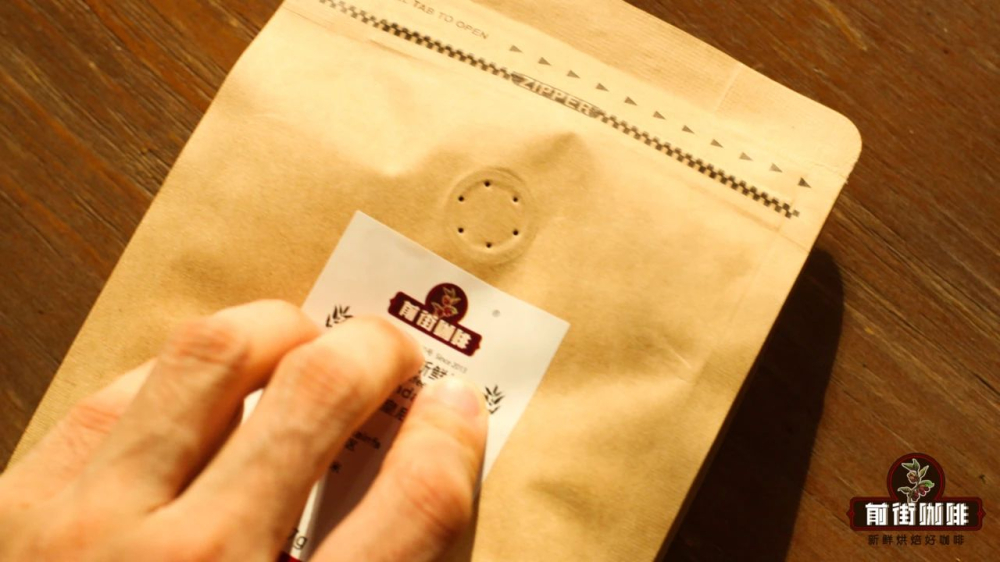
First, the most straightforward way to determine whether coffee beans are fresh is to check theroast dateon the packaging, rather than the expiration or best-before date. Truly professional and quality-focused roasters will clearly indicate the roast time for each batch, and it’s recommended to choose products that were roasted not long ago. Additionally,a one-way degassing valveis also an important indicator. This small round hole typically located at the top of the package allows carbon dioxide released by the beans after roasting to escape naturally while preventing oxygen from entering, helping to delay aroma loss. It's worth noting that many commercially available coffee beans have a degassing valve but do not display a roast date — in such cases, you should be even more cautious about their freshness.

Coffee beans that have just been roasted are actually not suitable for immediate brewing. During the first two days after roasting, the beans still contain a large amount of carbon dioxide and the aroma has not yet stabilized. Brewing them at this stage may result in uneven extraction or underwhelming flavors. It’s generally recommended to let freshly roasted beans rest for2 to 3 days— a process known as “degassing” — before grinding and brewing, so you can achieve better flavor performance.
If you’ve already bought coffee beans but aren’t sure if they’re still fresh, you can use a simple sniff test to quickly assess. After opening the package or grinding the beans, bring your nose close and take a gentle sniff: if the aroma is vibrant and carries enticing coffee fragrance, the beans are likely still within their optimal drinking period; on the other hand, if the scent is faint or there’s virtually no smell, the beans may have been stored for some time; worse still, if you detect a greasy or rancid-like odor, it indicates that the beans are past their prime or oxidized, and it’s advisable not to use them. The greasiness referred to here is an olfactory sensation, not whether the beans appear oily to the eye.
Next is choosing a coffee bean flavor profile that suits your personal taste preferences. Generally speaking, coffee flavors can be roughly divided into three main categories: acidity, bitterness, and sweetness — which are often closely related to the degree of roasting.Light roastcoffee usually retains more of its origin characteristics, with bright acidity. Common descriptions include fruity acidity, floral notes, etc., making it suitable for those who enjoy a refreshing taste. For example, beans with lemon or citrus tones, or sweet orange and honey flavors, are typical of light roasts. Meanwhile,dark roastcoffee, due to longer roasting times, tends to exhibit increased bitterness and intensity, often showcasing rich flavors such as caramel, spices, chocolate, or nuts, and is ideal for those who prefer a stronger, bolder cup.
For beginners, it’s recommended to start with cost-effective everyday beans. This not only reduces the cost of experimentation but also helps gradually build familiarity with different origins and flavor profiles. When selecting, you can choose beans based on your personal preferences for acidity, bitterness, or sweetness. For instance, if you enjoy pronounced fruity acidity, try Ethiopia’s Yirgacheffe, which offers a refreshing lemon and citrus character; for a softer balance of acid and sweetness, Costa Rica’s Tarrazu or Rwanda Red Bourbon are great choices; if you prefer lower acidity and a smoother, mellower taste, Yunnan small-grain coffee with its nutty and brown sugar notes is worth a try.
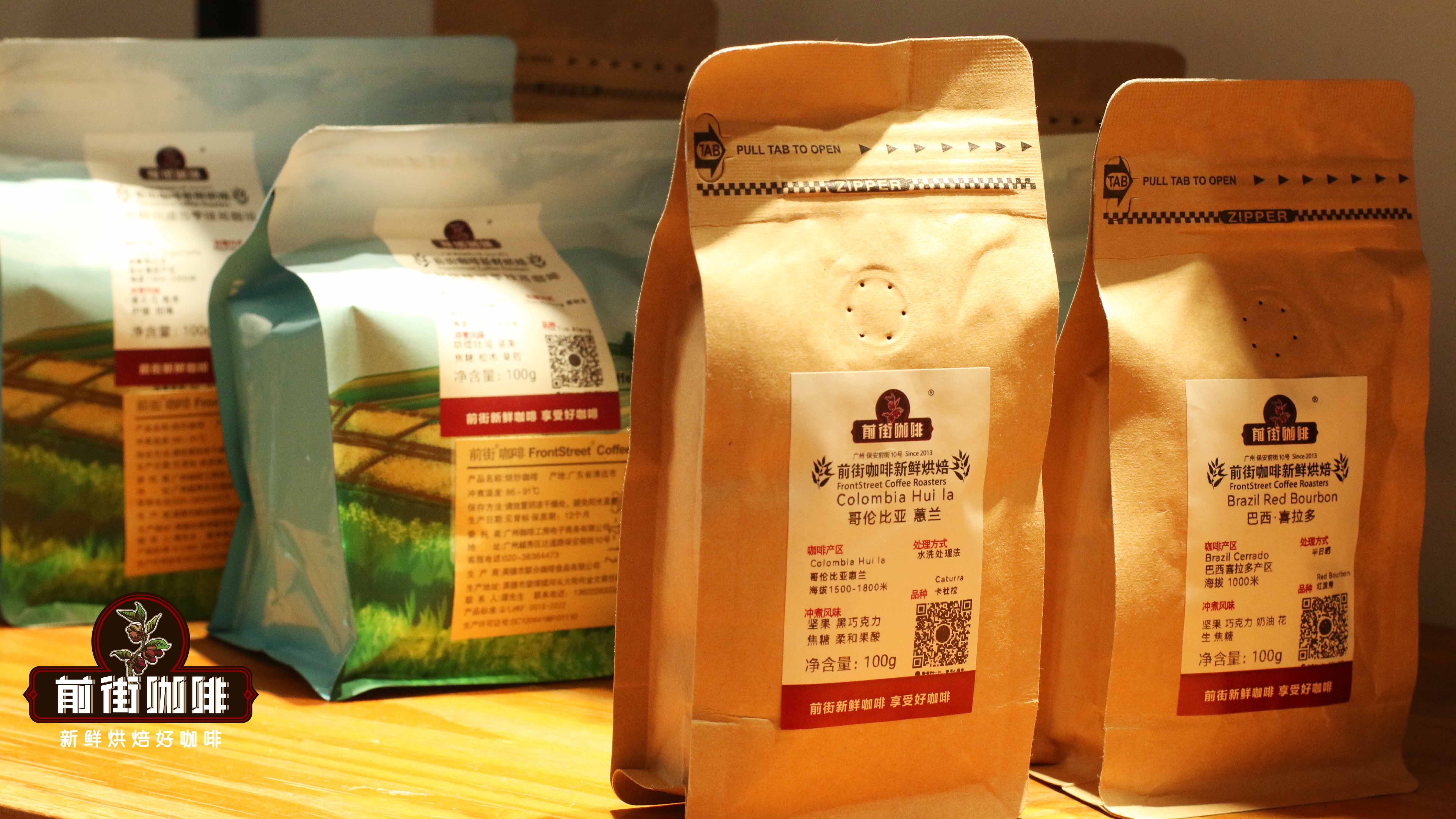
If you don’t enjoy acidity, you might opt for beans with richer, more robust flavors, such as Brazil’s Cerrado or Colombia’s Huila — these often showcase distinct nutty and chocolatey aromas, suiting drinkers who prefer a steady, full-bodied taste. As for those who favor intense, bold flavors, Indonesia’s Mandheling series is widely popular for its low acidity and high body. By gradually trying beans from different origins and processing methods, you’ll gain a clearer understanding of your preferred flavor profile and can further explore more nuanced single-origin estate or specialty-processed offerings.
The above content is compiled by CoffeeHunters, a coffee news website.


