







Introduction:The grind size for espresso is extremely precise, with even slight deviations directly affecting flow rate and flavor performance. This article will guide you through the process of finding the right grind range from scratch, mastering the use of a 1:2 coffee-to-water ratio and the golden extraction time of 20–30 seconds, and learning how to fine-tune to the optimal setting for each coffee bean by observing flow rate, crema, and flavor details—crafting an espresso that is rich in layers and well-balanced.
The grind fineness required for espresso is much finer than that for pour over, with the particles being as fine as flour and very little room for adjustment. Often, just a difference of a few tenths of a scale mark can lead to vastly different extraction results. Whether it’s a thin flavor due to too fast a flow or over-extraction caused by too slow a flow, both can ruin the balance of a good espresso. This article starts with the basics of determining the grind range, teaching you how to make an initial judgment by feel, then using the common 1:2 coffee-to-water ratio and 20–30 second extraction time as a starting point, step by step adjusting to the best setting.
First, when you get a new bag of coffee beans and want to brew an ideal shot of espresso, the first step is to find the appropriate grind range. If your grinder hasn’t been calibrated yet, or you’re not sure which grind settings are suitable, it’s recommended to start with small amounts of coffee beans and do multiple trials. You can grind a small portion at different settings, then feel the texture of the coffee grounds with your hand—when the coffee grounds are as fine as flour, without noticeable particles, smooth and even to the touch, it means you’re close to the right grind fineness.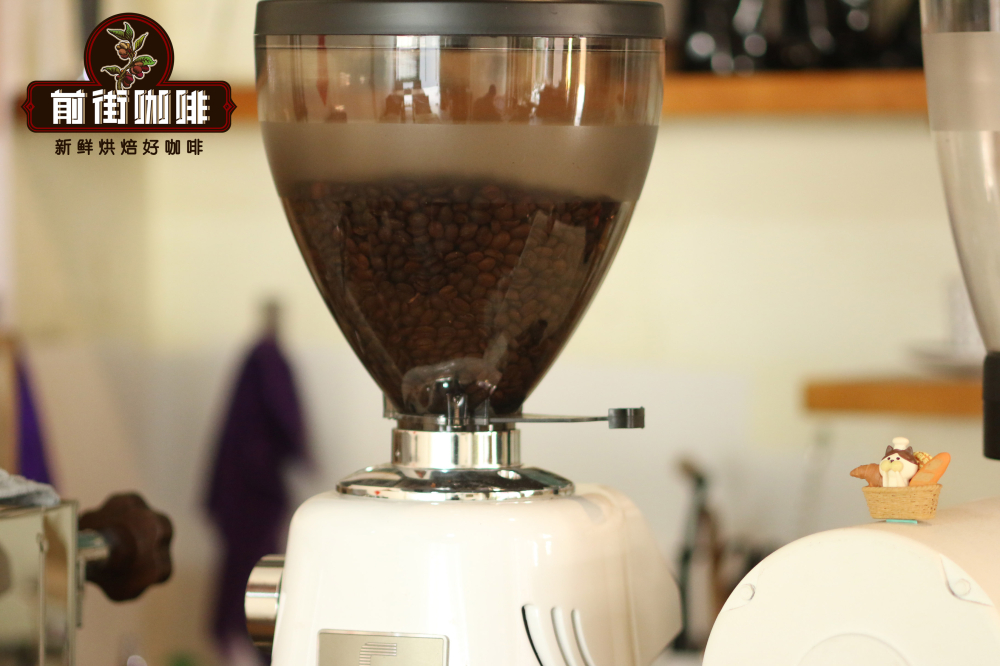
Next, you can test based on the conventional espresso extraction formula: take the 1:2 coffee-to-water ratio as an example, meaning about 2 grams of coffee liquid are extracted from every 1 gram of coffee grounds, with the extraction time recommended to be controlled between 20 and 30 seconds. Assuming you’re using a portafilter basket with a capacity of 20 grams, you would put in 20 grams of coffee grounds, aiming to extract about 40 grams of coffee liquid. If the whole process is completed within 20 seconds, it means the water flow is too fast, possibly leading to under-extraction; conversely, if it takes more than 30 seconds, the coffee may be ground too fine, causing over-extraction.
When the flow is too fast, it usually means the contact time between water and coffee grounds is too short, resulting in incomplete flavor extraction—the coffee may taste weak or bland, or have a noticeable sharp acidity. In this case, you need to make the grind finer. When adjusting, if you’re only a few seconds off your target time, it’s recommended to adjust only 0.2 scale marks at a time; if the difference is larger, you can be more aggressive, adjusting 0.5 to 1 scale marks at a time. Even if the adjustment leads from being too slow to too fast, it can help you quickly lock in a general range of settings, then gradually narrow down the adjustments. On the other hand, if the flow is too slow, it means the grind is too fine and water has difficulty passing through the coffee bed, making the coffee likely to become bitter—you’ll need to make the grind coarser.
However, the above coffee-to-water ratios and time parameters are just to help us quickly find a roughly usable grind range, and they don’t guarantee that the espresso extracted will necessarily be delicious. To truly determine the best grind setting, you also have to make a comprehensive judgment based on actual flavor performance. For example, if the coffee tastes noticeably burnt or bitter but the concentration is okay, it may be due to too long an extraction time, with too many bitter substances being released—in this case, you can slightly coarsen the grind setting. If the crema on the coffee surface is pale and thin, it might be due to too much extraction in the later stage—you could consider reducing the liquid weight and adjusting the coffee-to-water ratio to 1:1.5 to 1:1.7 to enhance the richness and stability of the crema.
On the other hand, if the overall flavor profile of the coffee is rich but the aftertaste is short, it may mean the early-stage extraction isn’t sufficient—you can try increasing the liquid weight, expanding the coffee-to-water ratio to 1:2.5, and extending the extraction time to bring out more of the lingering flavors. The key point is,1:2 is not the golden ratio for all coffee beans—some beans may perform better at 1:1.7, while others may need to be extended to 1:2.5 to showcase their unique flavors. Similarly, extraction time doesn’t have to be rigidly confined to the standard 25–30 second range; some beans may deliver their best flavors at 36 seconds or 24 seconds.
Therefore, rather than being limited by fixed formulas, it’s better to carefully record each set of extraction parameters along with the corresponding flavor performance. Through multiple attempts and observations, you can gradually figure out the settings that are most suitable for that particular coffee bean. This not only reduces coffee waste but also helps you master adjustment techniques more quickly and improve your overall extraction skills. Remember,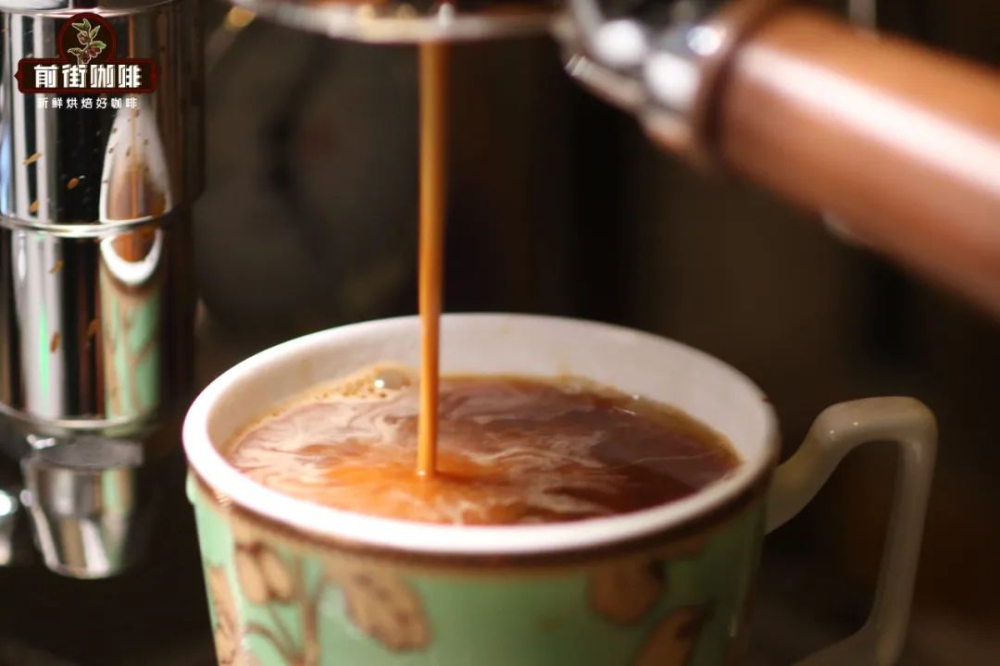 adjusting grind size is not just a science, but also an art—only through continuous practice and tasting can you find your truly perfect setting.
The above content is compiled by CoffeeHunters, a coffee news website.


