








Introduction:Espresso is the base of many classic coffee drinks. Understanding its categories, extraction essentials, and flavor characteristics can help you better appreciate coffee. This article details four types of espresso — Espresso, Ristretto, Normale, and Lungo — analyzing their differences in coffee-to-water ratio, extraction time, and flavor intensity. With practical examples, it also guides you through the key steps from dosing, distributing, to controlling the extraction.
Espresso is the core of modern coffee beverages. Whether it's an Americano, latte, or cappuccino, almost all are based on it. A true espresso relies on high-temperature, high-pressure water to quickly extract coffee grounds, delivering a rich taste and golden crema layer. It’s an essential skill for any coffee enthusiast to master.
In the world of espresso, common types include Ristretto (short shot), Normale (standard), and Lungo (long shot). These categories are mainly distinguished by their coffee-to-water ratios and extraction times, which in turn affect the flavor concentration and layers. Understanding their differences helps you more accurately choose the coffee experience that suits your taste.

The word "Espresso" comes from Italian, literally meaning "fast." The entire process, from starting the extraction to finishing, usually takes just a few dozen seconds, hence the name Espresso. Making a standard Espresso requires the high pressure generated by an espresso machine to force hot water through finely ground coffee, extracting about 30 milliliters of dark concentrated liquid topped with a thick layer of golden foam — what we know as Crema.
Early coffee was mostly brewed by infusion, a slow process with relatively mild flavor release. It wasn’t until 1884 when Italian Angelo Moriondo invented the first steam-pressure-driven espresso machine, ushering in a new era of high-pressure extraction. Later, in 1948, Milanese barista Achille Gaggia further improved the machine design by using a lever system to create even higher pressure, resulting in a noticeable Crema layer during extraction — one of the key indicators of Espresso quality.
Crema is not only a visual highlight but also a reflection of flavor and freshness. Generally speaking, the fresher the coffee beans and the darker the roast, combined with stable machine pressure, the richer and denser the crema. Some coffee shops opt for darker roasts or even blend in a certain proportion of Robusta beans to enhance crema appearance and overall body. Modern consumers, however, are increasingly valuing flavor diversity, so some espresso blends also use medium-to-light roasted beans with fruity or fermented notes — such as the “Sunflower Warm Sun Blend,” which offers wine-like aromas, berries, and soft nuttiness, making it more suitable for those seeking balanced flavors.
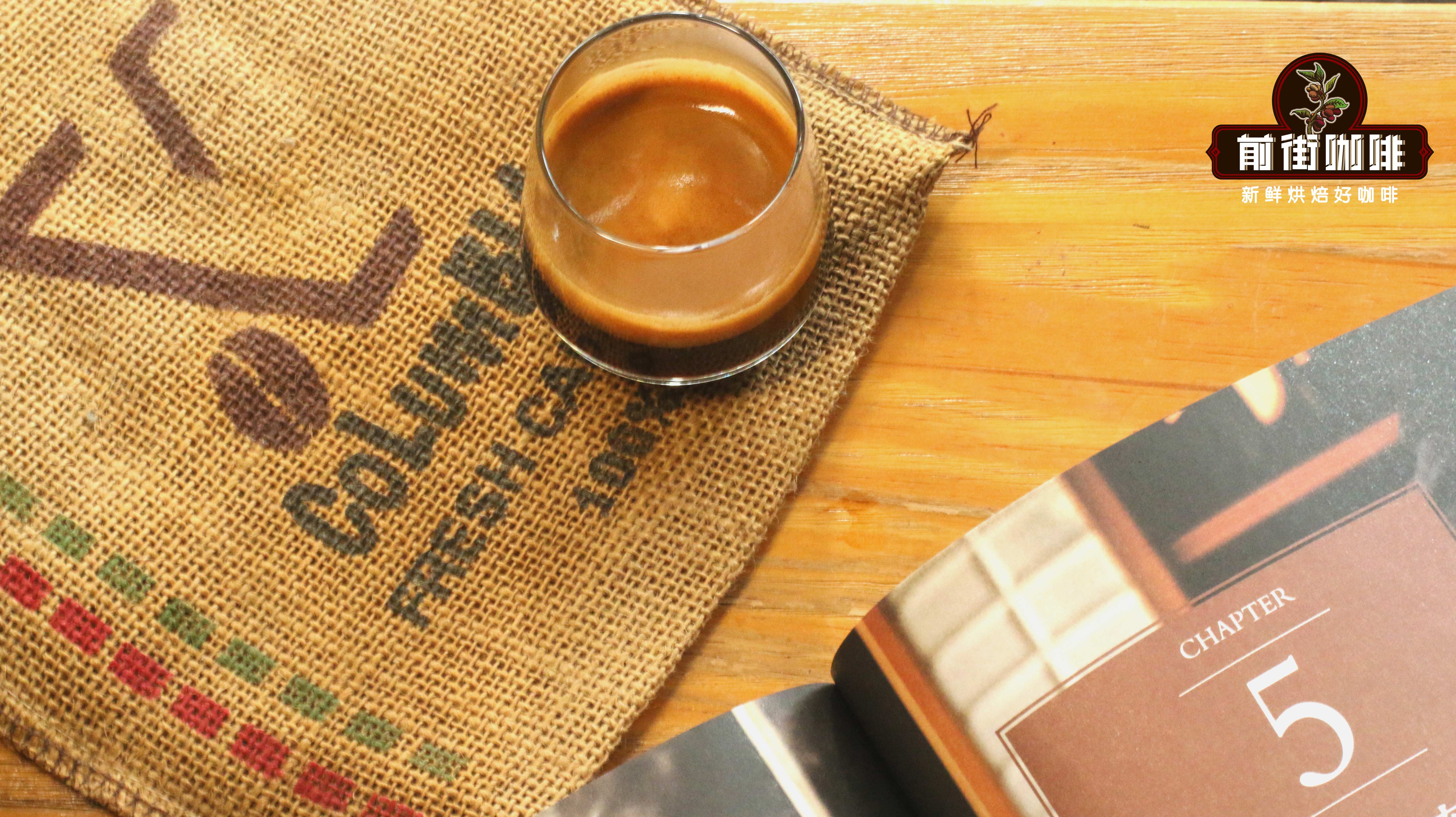
In addition to standard Espresso (commonly referred to as Normale), there are two other common espresso variants based on coffee-to-water ratio and extraction time: Ristretto and Lungo. All three are quickly extracted by espresso machines, but they differ in flavor concentration, intensity, and suitability for various scenarios.
Ristretto means “restricted” and is a short-shot coffee, typically extracting only the first, more concentrated part of the espresso. It has a higher coffee-to-water ratio than standard Espresso — for example, using the same amount of coffee grounds but extracting only about half or less of the liquid, with a shorter time as well. Using 20 grams of coffee grounds as an example, a Ristretto might yield only around 28 grams of coffee, extracted in about 20–25 seconds. This approach makes each drop more intense and concentrated, ideal for milk-based coffees like Flat White that emphasize delicate flavors.
Normale, the most commonly referred to Espresso, is the standard extraction method with a coffee-to-water ratio typically at 1:2 — for example, 20 grams of coffee grounds yielding 40 grams of coffee, with an extraction time generally between 28–30 seconds. According to the Golden Cup standard, the ideal extraction yield should be between 18%–22%, with a concentration between 8%–12%. Within this range, an Espresso usually offers a balanced acidity, sweetness, and bitterness, along with rich aroma and layered mouthfeel.
Lungo is the “long” shot of espresso, literally meaning “long.” It refers to extending both the extraction time and water volume, resulting in a larger total coffee volume and a milder, more diluted taste. For example, using 20 grams of coffee grounds, extending the extraction time to about 42 seconds to yield 100 grams of coffee, achieving a coffee-to-water ratio of 1:5. Lungo tends to have a relatively refreshing flavor, with lighter bitterness, suitable for those who prefer a lighter taste or drinking it on its own.
Next, we’ll illustrate how to extract a standard Espresso using a practical workflow. Assuming the use of a double-shot portafilter, with 20 grams of coffee grounds, aiming for a 1:2 coffee-to-water ratio — that is, extracting 40 grams of coffee — and keeping the extraction time within 28–30 seconds.
First, ensure the portafilter is dry, adjust the grinder to the appropriate fineness, grind the coffee beans, and place them on the scale, fine-tuning to exactly 20 grams. Then use a distribution tool to evenly spread the coffee grounds, followed by tamping them firmly and evenly with a tamper — a crucial step for stable extraction. You may then open the extraction switch to run water for 1–2 seconds to wet the group head and remove any leftover coffee grounds, preventing flavor contamination in subsequent extractions.
Place the cup on the scale and tare it, then attach the loaded portafilter to the group head and start the extraction. Observe the scale reading and time changes. When the coffee reaches 40 grams and the time is about 30 seconds, stop the extraction. Note that factors like ambient humidity, bean freshness, and grinder settings can all affect actual extraction parameters, so it’s recommended to fine-tune the coffee dose, grind size, and extraction time as needed to achieve the best flavor.
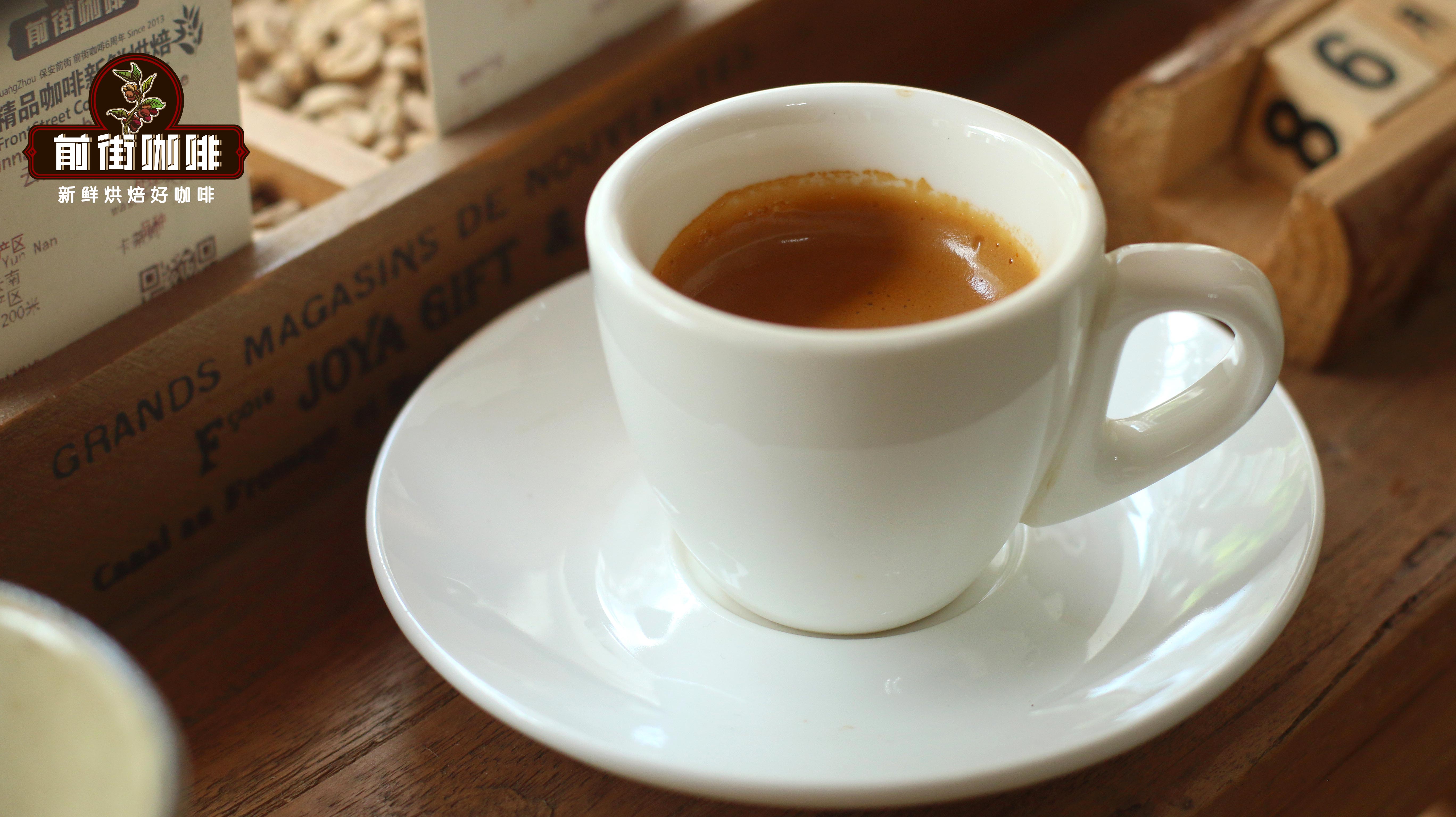
After extraction, you can directly enjoy the rich flavor of Espresso. It’s suggested to drink a sip of water to cleanse your palate before tasting the espresso’s crema, aroma, and multi-layered texture. If the bitterness feels too strong, you can also add hot water or milk according to personal preference to adjust the strength and taste. By understanding the different types of espresso and their extraction essentials, you’ll be able to more deeply enjoy the unique charm of espresso coffee.
The above content is compiled by CoffeeHunters, a coffee news website.


