







Introduction:Want to dive deeper into coffee quality evaluation? Cupping and triangle cupping are two professional methods commonly used in the industry, but many people still have only a vague understanding of their differences and actual procedures. This article will thoroughly explain the origin, background, standard procedures, and key parameters of cupping, compare the discernment goals of triangle cupping, and guide you through the complete techniques—from grinding and pouring water to sipping—to enhance your coffee tasting skills.
In the field of coffee quality assessment, cupping is one of the most widely adopted professional methods. But many people have this question: since pour over can showcase a richer array of coffee flavors, why not just use pour over to evaluate the performance of coffee beans?
Actually, the original purposes of pour over and cupping are completely different. Cupping originated in the U.S. coffee trade market in the 1980s. It was initially designed to quickly, effectively, and objectively assess the basic quality of coffee beans among large numbers of samples. When dealing with bulk sampling, using pour over or other brewing methods not only takes a lot of time, but also the differences in brewing techniques among individuals can easily affect the final flavor presentation, making it difficult to judge the bean's true nature objectively. Therefore, the industry developed cupping as an immersion extraction method that, through unified procedures and conditions, allows the true essence of the coffee to be authentically revealed.
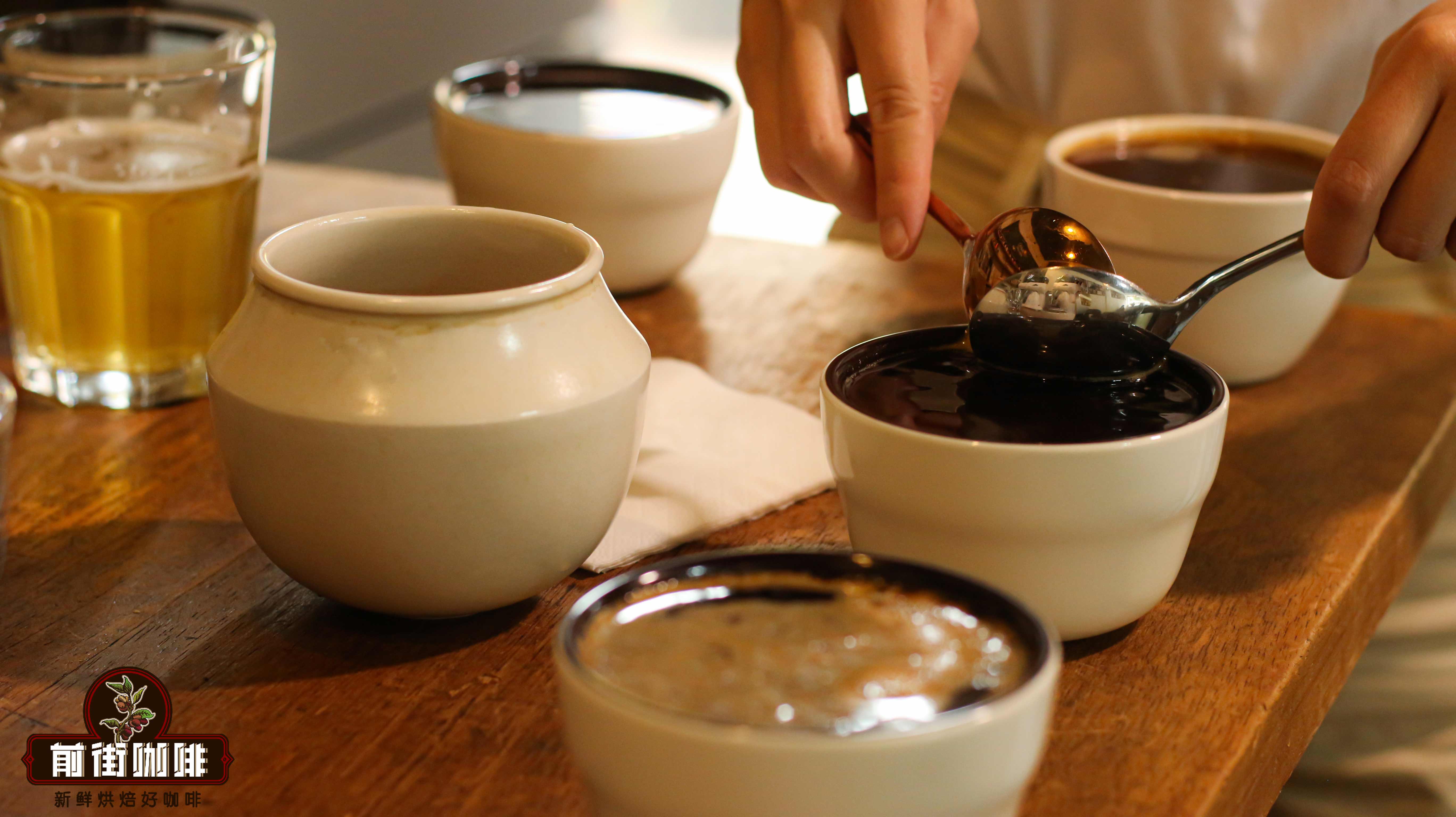
Over time, cupping has expanded beyond trade use and is now widely applied in coffee competitions, quality evaluations, and academic research, becoming an important tool for the industry to assess the potential of beans. Moreover, for coffee enthusiasts, learning the cupping process can also help improve one’s sensitivity and discernment of flavors. Next, we’ll take an in-depth look at the various standard parameters of cupping and the full procedure, and compare how common triangle cupping differs.
The standard procedures and extraction parameters for cupping are uniform guidelines established through long-term industry practice. Their goal is to ensure a consistent evaluation baseline across different settings and operators. Below are the key settings for cupping:
• Coffee dosage: adjusted according to the size of the cupping bowl
• Coffee-to-water ratio:1:18.18
• Grind size: passing througha #20 sieve at 75% extraction rate
• Water temperature:94°C
• Water quality: TDS value between75~250ppm
• Soaking time:4 minutes
• Tasting method:Sipping (slurping)
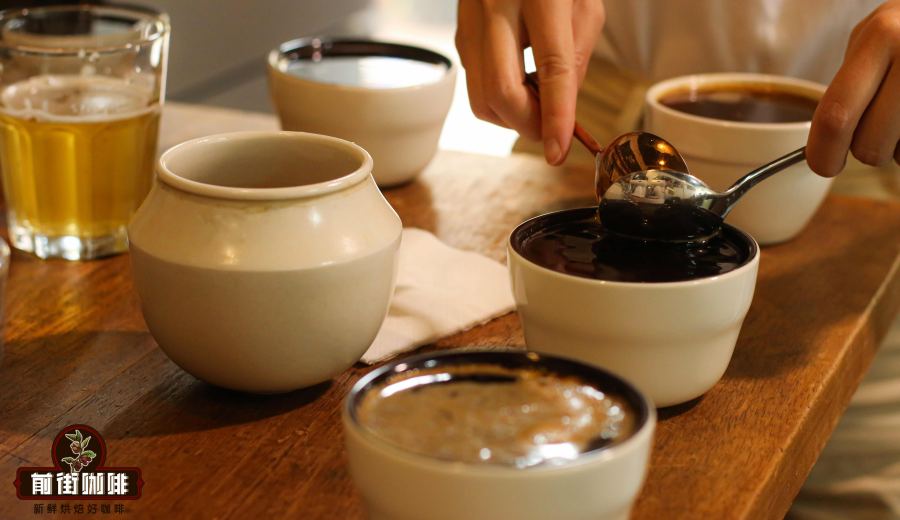
In addition to cupping bowls and specialized spoons, it’s recommended to also prepare two cups of clean water and some paper towels—use them for rinsing the spoon and wiping away water marks to avoid residual flavors affecting your judgment.
The full cupping process can be divided into the following main steps:
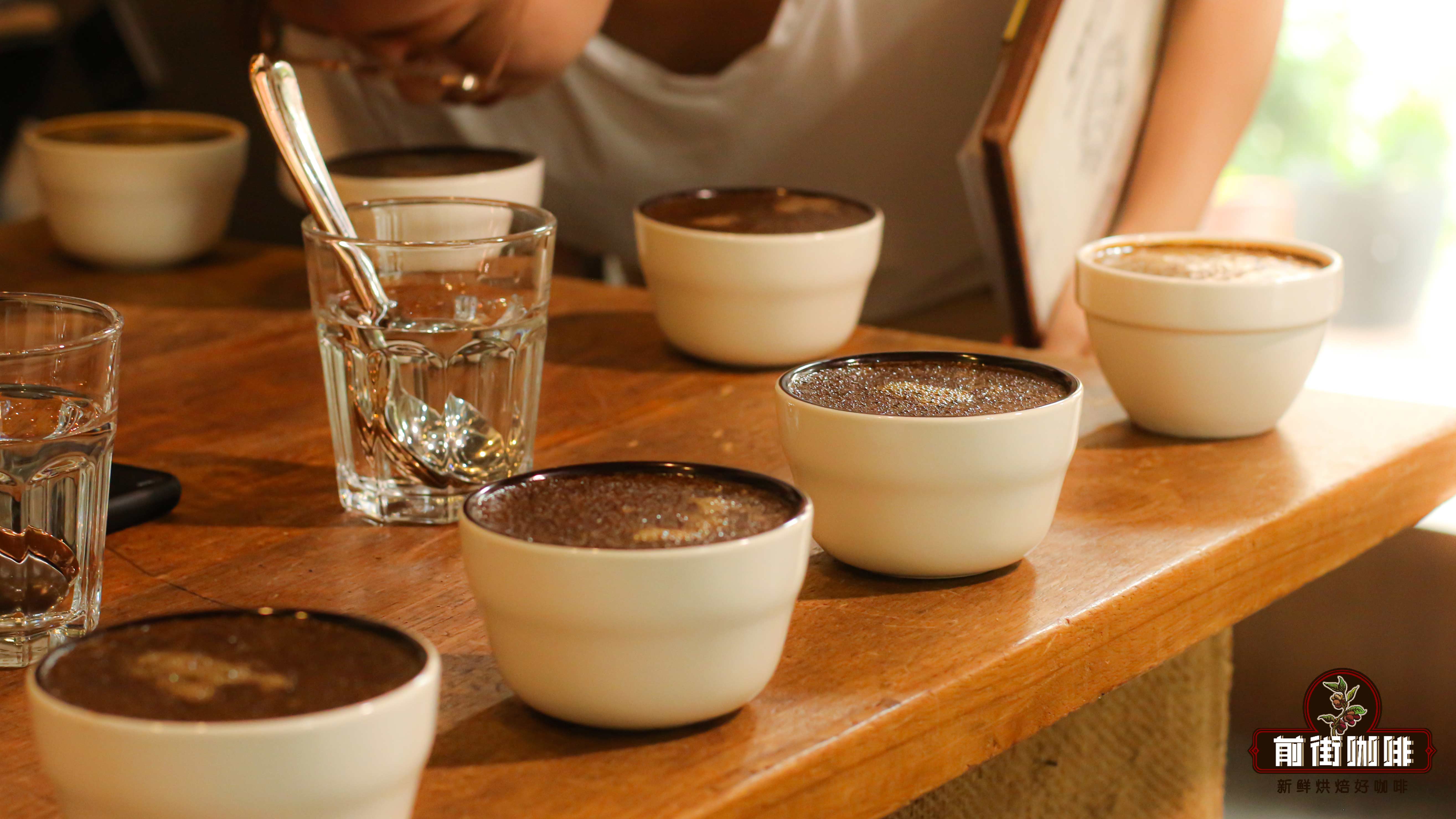
1. Grinding and Smelling the Dry Aroma
First, grind the coffee beans into powder and pour them into the cupping bowl. At this point, the coffee grounds will release what is called the "dry aroma," which is the original fragrance characteristic before the coffee comes into contact with water. It’s important to note that the dry aroma dissipates quickly. It is recommended to finish smelling within ten minutes after grinding. When not actively sniffing, you can temporarily cover the grounds with a lid or clean item to reduce aroma loss.
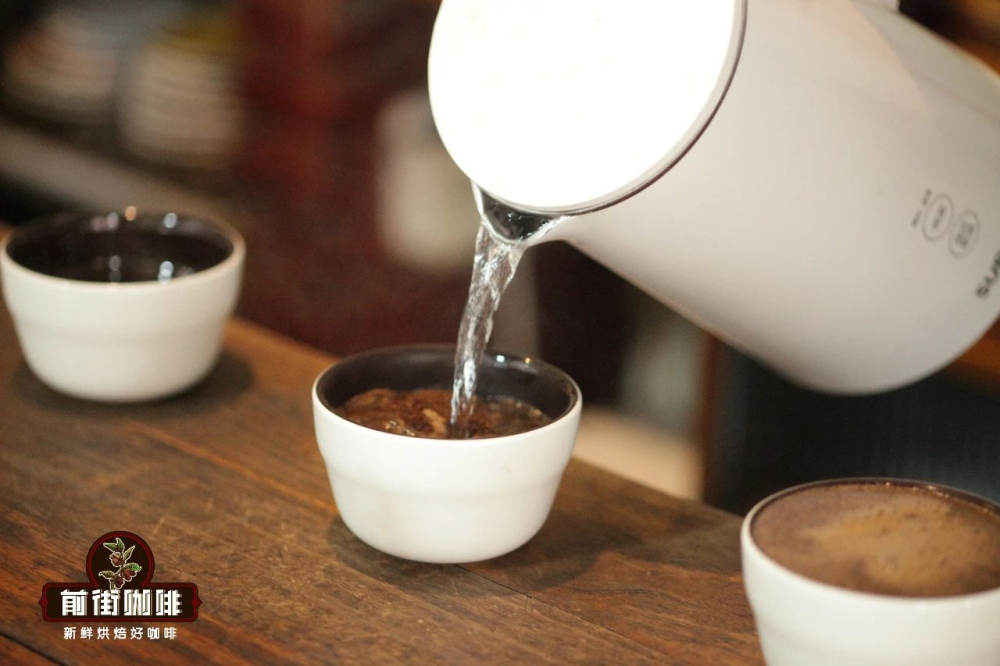
2. Pouring Hot Water
After confirming the dry aroma, you can start pouring hot water. If using a standard cupping bowl, you can pour water directly based on the recommended dosage without precise weighing, but make sure to start the timer simultaneously. The water temperature needs to be maintained at94°C, and poured according to the1:18.18 coffee-to-water ratio. After pouring, you can continue to perceive changes in the wet aroma over the next 4 minutes.
3. Breaking the Crust
The first key action after four minutes is "breaking the crust." Use the cupping spoon to gently push three times across the surface of the coffee liquid, preferably moving from back to front. The goal is to gather the floating coffee grounds together in preparation for the next skimming step.Be gentle but firm with your movements to avoid disturbing the overall structure of the liquid surface.
4. Skimming the Crust
Skimming the crust follows immediately after breaking it, and these two steps are usually carried out in one fluid motion. Use the cupping spoon to remove the gathered coffee grounds. It’s recommended to skim in a sweeping, encircling manner to ensure most of the residue is removed. After each skim, be sure to rinse the spoon with clean water and thoroughly dry it with a paper towel to prevent any leftover grounds or moisture from affecting the purity and flavor of the next tasting.
5. Tasting
After skimming is completed, wait about one minute before beginning the tasting. Use the cupping spoon to scoop an appropriate amount of coffee liquid and drink it by “sipping” (slurping). Sipping aerates the coffee and rapidly cools it down, helping you more clearly capture flavor details and layers. After each sip, clean the spoon again to prevent flavor mixing between different samples.
Now that you understand the standard cupping procedure, let’s take a look at what triangle cupping is and how it differs from regular cupping.
Triangle cupping is a sensory discrimination training test method. Its goal is to have participants identify the “one different” cup among three. Of the three cups, two are samples of the same origin or processing method, while the third is slightly different—it might vary in region, processing style, or roast level. Unlike full cupping, triangle cupping does not require recording detailed notes on each stage such as aroma, wet aroma, taste, and aftertaste. The focus is solely on whether you can sharply discern the odd cup out and make the correct judgment.
In simple terms, regular cupping emphasizes a comprehensive evaluation of the overall coffee performance, analyzing every aspect in detail—from dry aroma, wet aroma, taste, to aftertaste. Triangle cupping, on the other hand, focuses on training the ability to "identify differences" and is a common test method used in quality control, cupper training, or competitions.
The above content is compiled by CoffeeHunters, a coffee news website.


