








Introduction:Faced with the overwhelming array of coffee bean options on the market, do you often wonder how to choose without making a regrettable purchase? This article provides a clear and practical four-step selection method—from identifying freshness, determining the right roast level and flavor profile, to starting with high-value-for-money pour over beans, and finally exploring specific regions—to help you easily master the tricks of buying and enjoy the most satisfying cup of coffee.
Amidst the dazzling array of coffee beans on display, many consumers often feel at a loss, especially when it comes to judging whether the beans they bring home are fresh. This article will systematically introduce the four foundational steps of selecting coffee beans, helping you establish the correct purchasing logic. First, learn to identify the freshness of coffee beans, which is key to flavor performance; next, based on your preference for acidity or bitterness, lock in the appropriate roast level and origin; then choose pour over beans in an affordable and beginner-friendly way to build your basic tasting experience; and finally, further explore specific regions according to your personal taste, enhancing both the depth and enjoyment of your coffee selection journey.

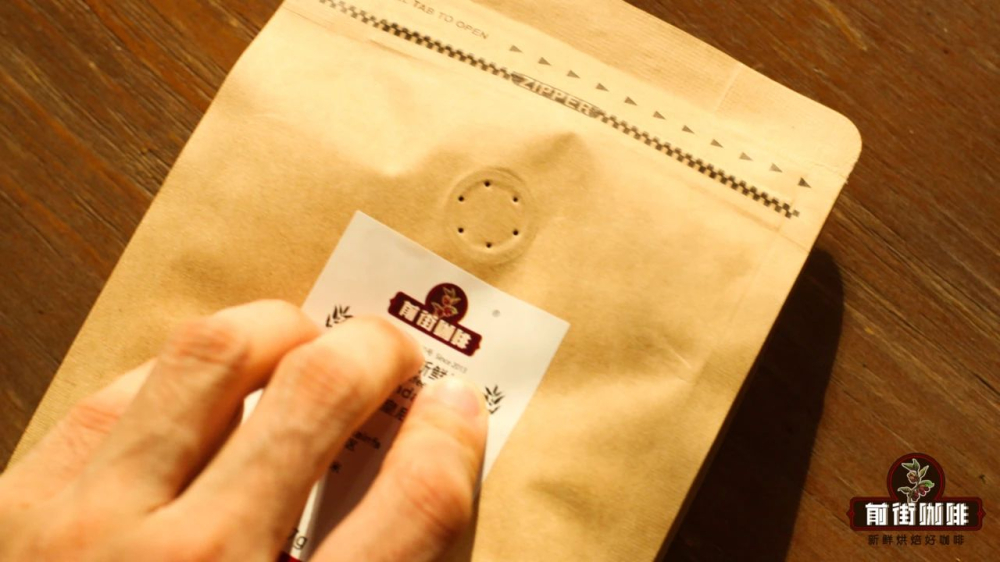
Many readers face a common dilemma when buying coffee beans: not knowing how to determine if the beans are still fresh. In fact, there are techniques for assessing freshness. First and foremost, be sure to check whether the packaging clearly indicatesRoast Daterather than an expiration date or best-before date. The roast date truly reflects the freshness status of the beans, and it’s recommended to prioritize products from professional roasting brands with good freshness control. Additionally,One-Way Degassing Valveis also an important indicator—usually a small round hole located on the top of the coffee bag, its function is to allow naturally released carbon dioxide from the roasting process to escape, preventing the bag from expanding or the beans from oxidizing and deteriorating.
Generally, professional roasters will ship the beans within 5 days after roasting to ensure customers receive beans in optimal condition. It’s not recommended to buy coffee beans that are more than 50 days old, as aroma and flavor compounds have significantly diminished by then, and even at a high price, it’s hard to brew a good cup. However, newer isn’t always better—within the first day or two after roasting, the beans are still in the “degassing phase,” with too much internal gas and unstable aroma. It’s advisable to let them rest for 2 to 3 days before brewing. If you’ve already bought coffee beans and want to quickly assess their freshness, you can simply do a sniff test: after opening the package, bring your nose close to the ground coffee or whole beans and take a deep whiff. If it emits a rich and pleasant aroma, the beans are fresh; if the aroma is weak, they may have been sitting for a while, so it’s best to consume them soon; if there’s an oily or unnatural smoky smell, the beans may have expired or oxidized and should no longer be brewed.
The second step is to choose coffee beans that match your personal taste. The basic flavor spectrum of coffee can be simplified into acidity and bitterness, and these two are usually closely related to roast level. For those who prefer a bright, fruity acidity, it’s recommended to chooseLight Roastbeans; if you enjoy a rich, full-bodied flavor with caramel and chocolate notes, thenDark Roastis more suitable.
For example, readers who enjoy fruity acidity can try light-roasted beans such as Red Cherry Coffee with lemon and citrus notes, Tarrazú Coffee with sweet orange and honey flavors, and Kenyan Coffee featuring notes of cherry tomatoes, black plums, and plums. Those who prefer intense, bitter-sweet richness might consider Dark Roast Golden Mandheling (with caramel and spice notes), Queen Estate Coffee (cocoa and chocolate), or Yunnan Small-Leaf Coffee (nutty and brown sugar). For those seeking a balanced and slightly sweet option, beans with prominent sweetness like Strawberry Sugar (rose and grape notes) or Mozart (pineapple and raisin notes) are great choices.
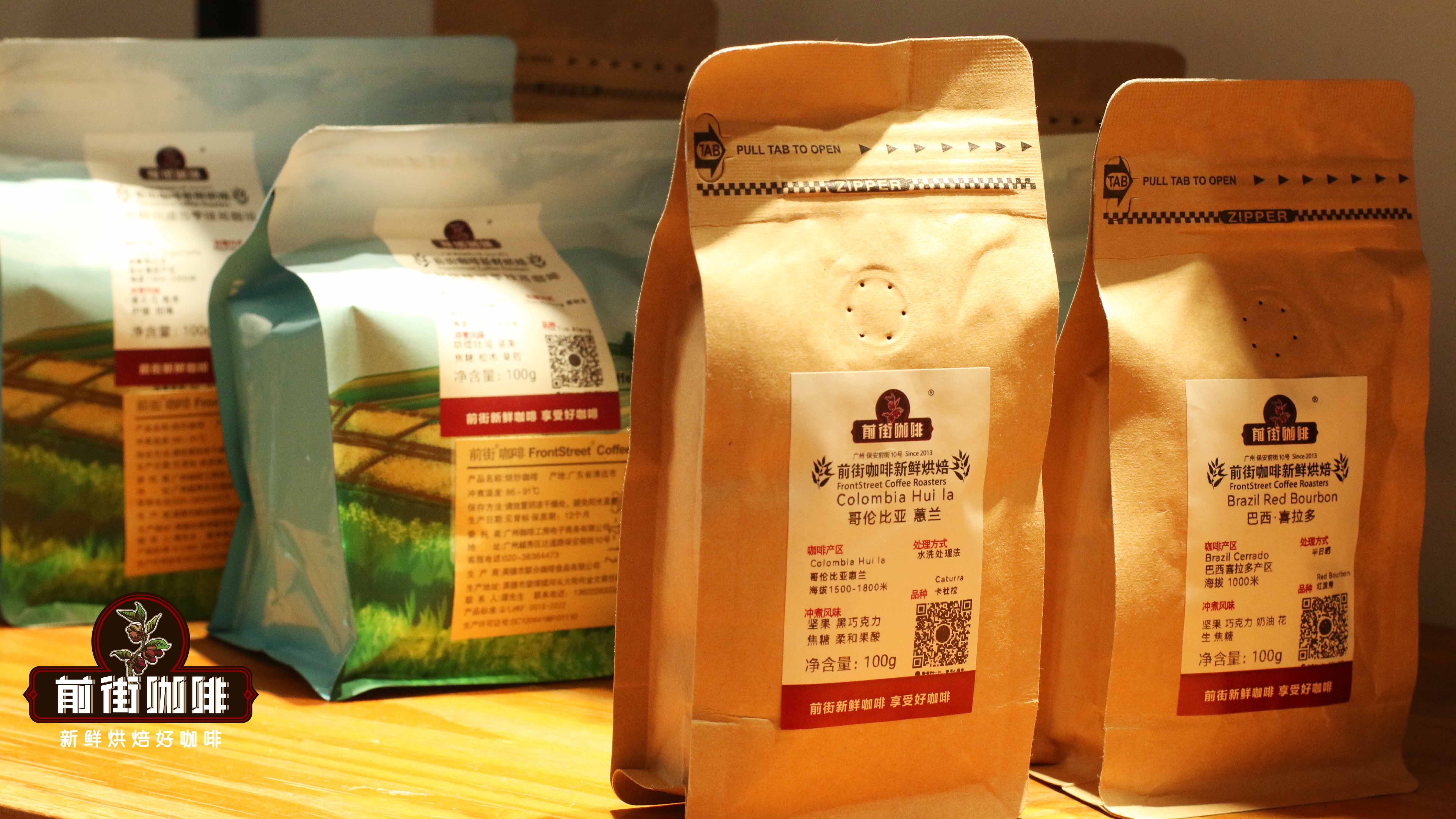
The third step is a cost-effective entry-level choice. For beginners just getting into pour over coffee, it’s recommended to invest a bit more in a grinder to achieve a more consistent grind size, while other equipment can initially be entry-level models. High-value-for-money coffee bean combinations can be used to accumulate experience. Generally, pour over is best suited to single-origin coffee beans, which come from a single producing region, usually in packages of less than half a pound. Their flavor is influenced by multiple factors including origin, variety, processing method, and roast level.
Beginners are advised to first select easy-to-drink and representative “staple beans” based on their personal taste preferences. This not only helps gradually build recognition of different regional flavors but also allows for ample practice without breaking the bank. For instance, if you can tolerate pronounced fruit acidity, Ethiopian Yirgacheffe is a great starting point; if you prefer a soft balance of acidity and sweetness, Costa Rica Tarrazú or Rwanda Red Bourbon are excellent choices; if you want lower acidity, Yunnan Small-Leaf Coffee is a reliable option; for those wanting nutty and chocolatey notes without strong acidity, Brazilian Cerrado or Colombian Huila are worth considering; and for consumers who prefer a rich, low-acid mouthfeel, Indonesian Mandheling can meet your needs. Once you find a suitable region, you can further explore its micro-regions, estates, and specific varieties, deepening your coffee tasting journey.
The above content is compiled by CoffeeHunters, a coffee news website.


