







Category: Coffee Knowledge

How much coffee grounds should you use for espresso? A complete guide to standard parameters and extraction techniques for double baskets
To make an ideal shot of espresso, the amount of coffee grounds, basket selection, and extraction parameters are all essential. This article delves into the structural differences between single and double baskets, explains why double baskets have become the market standard, and provides a detailed walkthrough of the standard extraction process with practical examples — including recommended coffee dosage, beverage-to-grounds ratio, time control, and distribution & tamping techniques — to help you master the key to consistently producing espresso with a rich crema and layered flavors. [more…]
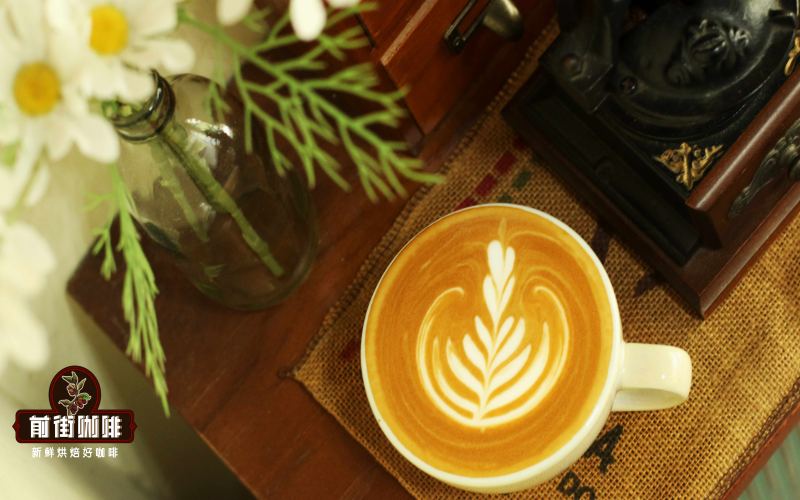
8 Steps to Perfect Milk Frothing at Home: Master Everything from Milk Selection to Latte Art
Want to make professional-grade espresso at home? The texture and stability of milk foam is key. This guide details how to choose the right whole milk, store it properly to maintain freshness, and walks you through the eight core steps of steam frothing. Whether you’re a beginner or more advanced, you’ll learn how to create delicate, velvety milk foam. Paired with stable espresso extraction parameters, you’ll be able to pour beautiful latte art at home. [more…]
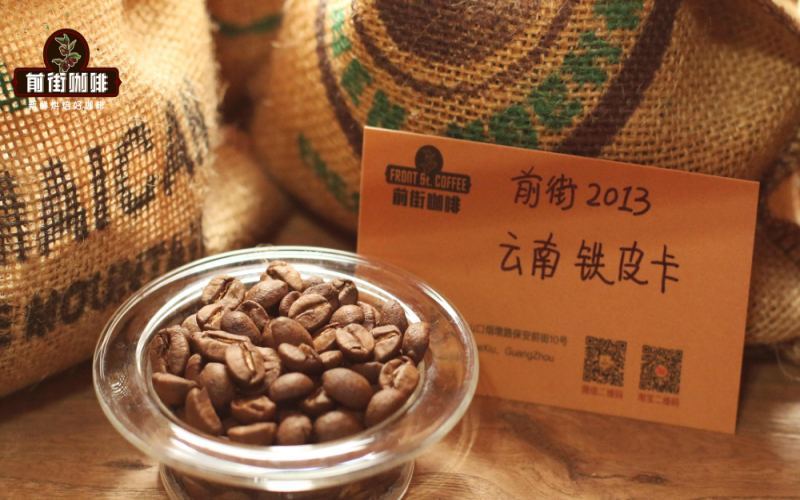
Yunnan Small-Bean Coffee Pour Over Guide: Unveiling Regions, Processing Methods & Precise Parameters
Want to learn how to brew Yunnan small-bean coffee with captivating flavors? This article dives deep into the geographical advantages of Yunnan coffee, the evolution of its mainstream varieties, from the differences between washed and natural processing methods to expert pour over recommendations and precise parameters—helping you master the essence of brewing Yunnan coffee. It also provides detailed descriptions of two classic processed flavor profiles to help you find your perfect Yunnan coffee experience. [more…]
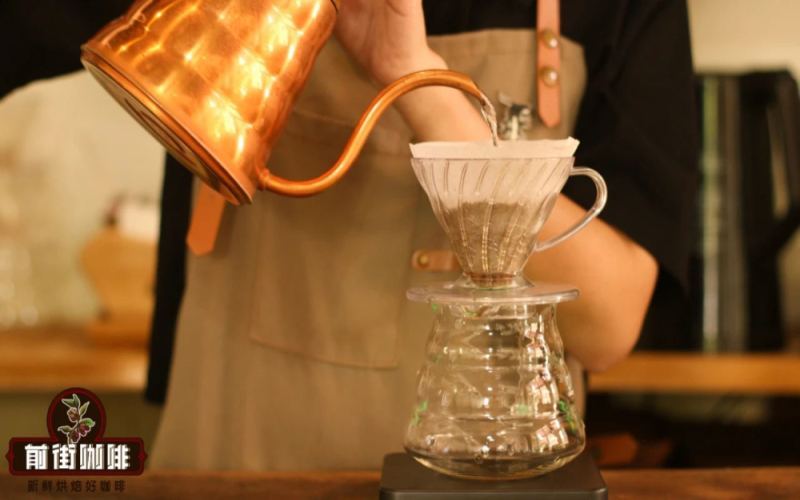
Kenya AA Pour Over Practical Guide: The Impact of Coffee-to-Water Ratios from 1:13 to 1:17 on Flavor, Strength, and Extraction Rate
Exploring how coffee-to-water ratios subtly alter the overall performance of Kenya AA pour over coffee. This article uses top-grade AA TOP beans from the Asali processing factory in the Thika region as an example. With a fixed three-stage extraction method and water temperature between 90-92°C, it tests the differences among three coffee-to-water ratios—1:13, 1:15, and 1:17—and analyzes the flavor profiles of citrus, cherry tomato, dark plum, and caramel. It also delves into the interplay between the Golden Cup standard range, extraction rate, and strength, providing beginners with guidance on adjusting pour over parameters. [more…]
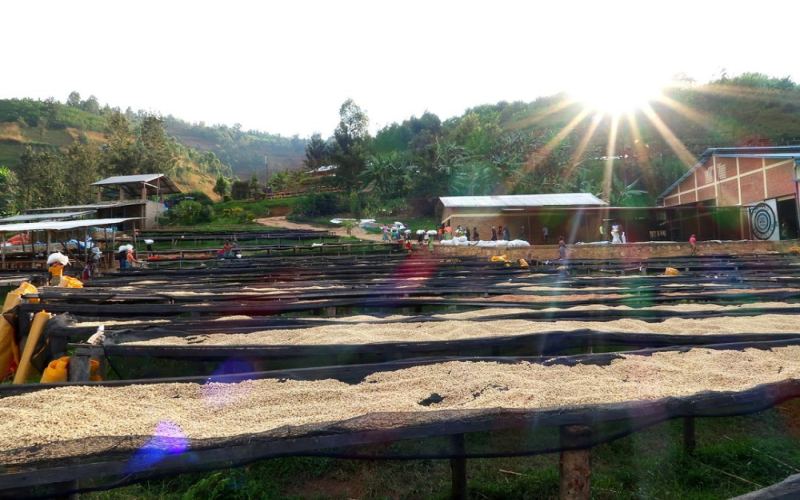
How to taste Yirgacheffe flavors? Bean recommendations and brewing tips for beginners to advanced levels
As Ethiopia’s most representative specialty coffee region, Yirgacheffe is renowned for its unique floral and fruity aromas and bright acidity. This article delves into its classic flavor profile, covering everything from light-roast washed beans to natural, fruit-forward, and SOE espresso beans. It helps you understand the characteristics of different processing methods and provides beginner-friendly options as well as advanced tasting directions—assisting you in finding your own way to enjoy Yirgacheffe. [more…]
Decoding the Flavors of Honduran Sherry Coffee: The Perfect Combination of Caturra and Barrel Fermentation
Want to know how a cup of coffee with notes of wine and cream is born? This article takes an in-depth look at the variety background and processing method of Honduran Sherry coffee beans, as well as how to bring out its unique flavors through suitable brewing techniques. From the characteristics of the Caturra and Catuai varieties, to the details of whiskey barrel fermentation, to practical pour over and espresso application tips, get to know this highly acclaimed Central American specialty coffee all in one go. [more…]
Flavor Analysis of Ethiopian Hua Kui Coffee Beans: Origin, Brewing Tips & Tasting Experience
Dive deep into the historical roots of Ethiopian Hua Kui coffee beans, the story behind the brand, and its unique flavor profile and brewing characteristics. Starting from the culture of its origin, this article takes you on an exploration of the cultivation background and processing features of these beloved pour over coffee beans, while also providing practical tasting and extraction references to help you fully appreciate the charm of Hua Kui. [more…]
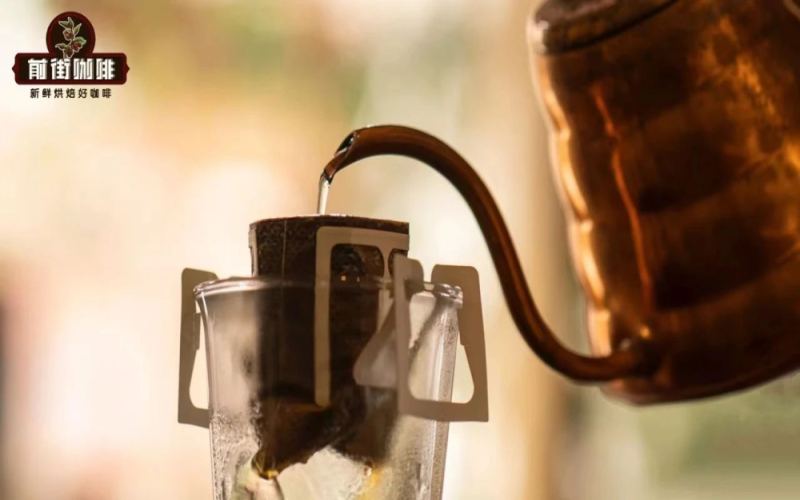
Complete Guide to Pour-Over Coffee Bags: From Brewing Techniques to DIY Steps, Master the Optimal Water Temperature and Recipe
Pour-over coffee bags offer a convenient option between instant coffee and pour over brewing, ideal for coffee lovers who are busy but still pursue great flavor. This article will delve into the fundamentals of pour-over coffee bags, provide professional brewing parameters including water temperature, pouring methods, and time control, share roasting recommendations for pairing with milk, and explain in detail how to make high-quality pour-over coffee bags at home—so you can enjoy a consistently rich and aromatic coffee experience anytime. [more…]
Complete Guide to Brewing Pour-Over Style Coffee with Filter Bags: From Bean Selection to Water Temperature, Master the Techniques for Hand Drip-Level Flavor
Filter bag coffee combines convenience with flavor performance, making it a top choice for many busy individuals. But brewing a cup of rich, layered good coffee is not as simple as just adding water. This article delves into the key points of selecting filter bag coffee, water temperature control, coffee-to-water ratio settings, blooming techniques, and common issues—covering everything from basics to advanced skills—to help you achieve a professional hand drip-like taste using a simple tool. [more…]
How to distinguish between Panama Geisha Red and Green labels? Understand the origin and pour over recommendations of La Esmeralda Estate in one go
Geisha coffee is hailed as the finest among coffees, but its flavor profile varies greatly depending on origin, processing method, and grade. This article delves into the La Esmeralda Estate in Panama’s Boquete region, explaining the grading logic and origin characteristics of the Red and Green labels, with a special introduction to the terroir advantages of plots such as Jaramillo. It also provides practical pour over parameters for the La Esmeralda Red Label Natural Geisha, including filter choice, water temperature, brew ratio, and grind size—helping you master the key brewing elements and savor the layered flavors of Geisha. [more…]

The Ultimate Guide to Panamanian Geisha Coffee: Variety Origins, Regional Advantages, and Pour Over Brewing Techniques
Wondering why Panamanian Geisha stands out in the global specialty coffee market? This article delves into the origins of the Geisha variety, explores how Panama’s unique climate and soil contribute to its distinctive flavors, and provides a detailed breakdown of the differences among product grades such as Red Label and Green Label, as well as processing methods. It also offers practical pour over and drip bag brewing parameters to help you easily brew top-tier Geisha with its signature floral aroma and bright fruity acidity. [more…]
Complete Guide to Panama Geisha Hacienda La Esmeralda Flower Dance Coffee: Varieties, Washed Process & Pour Over Recommendations
Flower Dance coffee beans are one of the representatives of the Boquete region in Panama, combining three varieties—Geisha, Caturra, and Catuai—and showcasing delicate flavor layers through the washed processing method. This article provides an in-depth analysis of its variety composition, altitude environment, processing details, and offers practical flavor profiles and pour over parameters to help you fully appreciate this high-value specialty coffee. [more…]
Blue Mountain Coffee Authentication Guide: Exposing 4 Major Counterfeits & 4-Step Identification Techniques (Flavor Review + Packaging Details)
Renowned worldwide for its rich and balanced flavor, Blue Mountain coffee is a prime target for counterfeiting due to its high price. Common market fakes include Colombian beans passed off as Blue Mountain, Cuban Crystal Mountain falsely labeled as “Cuban Blue Mountain,” blends designed to mimic its flavor profile, and even Yunnan-grown “Blue Mountain variety” beans meant to confuse buyers. This article delves into the four most common types of fake Blue Mountain coffee and provides practical identification methods across four key dimensions: packaging specifications, raw bean appearance, hand-grinding texture, and flavor characteristics—to help coffee enthusiasts avoid purchasing pitfalls and refine their selection skills. [more…]
Analysis of Ethiopian Yirgacheffe Red Cherry Project Beans: Flavor, Processing, and Brewing Recommendations
A well-known coffee brand has launched Yirgacheffe Red Cherry Project coffee beans, originating from a high-standard quality initiative driven by Trabocca. Through rigorous selection and incentive mechanisms, it produces specialty beans that combine complexity and depth. This article provides an in-depth analysis of these beans from the Kebado Cooperative, covering the growing region, processing techniques, and cupping flavors, along with practical brewing parameters and tasting suggestions—ideal for coffee enthusiasts eager to explore authentic Ethiopian flavors. [more…]
How to Brew Yirgacheffe Coffee Beans? A Complete Guide to Flavor, Origin, and Pour Over Parameters
Yirgacheffe is one of Ethiopia’s most iconic specialty coffees, renowned for its delicate floral notes and bright citrus tones. This article provides an in-depth analysis of a well-known coffee brand’s Yirgacheffe flavor profile, optimal grind size, regional distribution, and varietal background, while also exploring how the region’s microclimates shape its unique coffee flavors. Whether you’re a beginner or advanced pour over enthusiast, you’ll learn essential brewing tips and tasting insights. [more…]
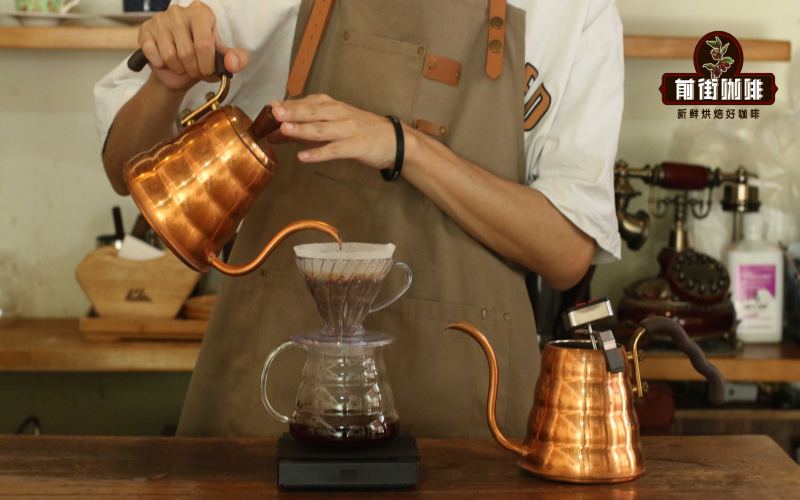
Best Pour Over Geisha Coffee Powder-to-Water Ratio Test: Practical Experiment & Flavor Analysis at 1:15 to 1:18
Exploring the often overlooked yet crucial powder-to-water ratio in pour over coffee, this article uses Panama Blue Label Geisha as an example. By strictly controlling grind size, water temperature, and pour over technique while only adjusting the powder-to-water ratio from 1:15 to 1:18, it meticulously records the extraction time, flavor profile, and mouthfeel at each ratio. This helps you find the most suitable brewing ratio for high-end flavor beans like Geisha, enhancing your home pour over quality. [more…]
How to Brew Brazilian Cerrado Mineiro Honey Processed Beans? A Complete Guide to Varieties, Flavors & Grind Settings
Brazil is one of the top coffee-producing countries in the world, and the Cerrado Mineiro region stands out with its diverse processing methods, producing many high-quality specialty coffee beans. This article takes an in-depth look at the region's popular honey processing method—covering everything from its processing characteristics and flavor profiles to the traits of common varieties such as Santos and Bourbon—and also offers practical pour over grind size recommendations to help you better appreciate the charm of this classic coffee bean. [more…]

Common Reasons for Failure in Home Espresso and How to Improve: A Comprehensive Guide from Grinding to Extraction
Many coffee enthusiasts use high-end home espresso machines but still struggle to consistently extract ideal flavors. In fact, every step—from selecting coffee beans, controlling grind size, to tamping technique and extraction timing—can be critical to the final result. This article will delve into three common mistakes made when making espresso at home, including using pre-ground coffee, improper tamping methods, and delayed extraction. It also provides specific and actionable improvement tips to help beginners avoid common pitfalls. [more…]
How to Brew Panamanian Geisha Butterfly Coffee Beans? A Complete Guide to Varieties, Origins, and Pour Over Parameters
The Geisha Butterfly coffee bean is a classic single-origin from Panama’s Boquete region, blending three varieties—Geisha, Caturra, and Catuai—and is renowned for its 40% Geisha lineage. This article delves into its regional environment, washed processing details, medium-light roasting rationale, and offers practical recommendations on water temperature, coffee-to-water ratio, and grind size to help coffee enthusiasts fully master this popular bean—from flavor characteristics to brewing techniques. [more…]
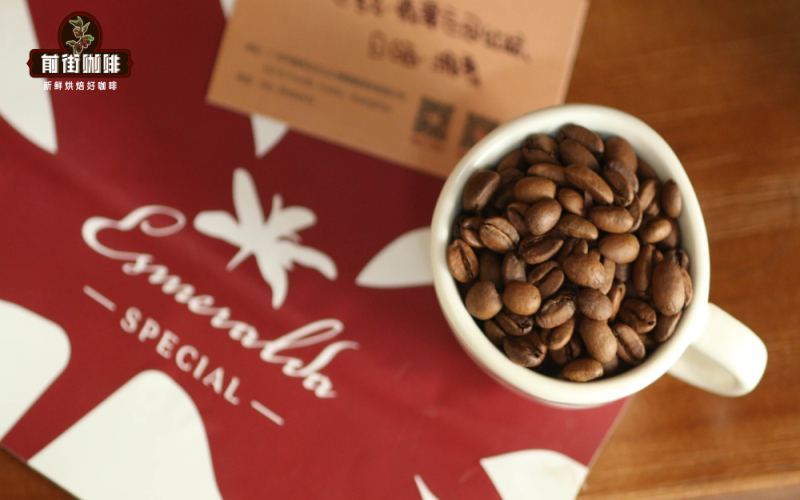
Panama Emerald Blue Label Geisha Pour Over Guide: Parameters for 4 Brewing Methods & Flavor Analysis
The Emerald Estate Blue Label Geisha is renowned for its delicate floral aromas and citrus notes, making it a classic choice for pour over enthusiasts. This guide delves into the bean characteristics of this Panama-grown, 1500-meter-high-altitude washed Geisha, and provides tested brewing parameters for four different devices—Kalita Wave, V60, Kalita Cake Dripper, and cold brew—including precise coffee-to-water ratios, grind sizes, and brewing times. It also compares the flavor profiles and mouthfeel differences across methods, helping you find the most suitable one based on your taste preferences. [more…]