







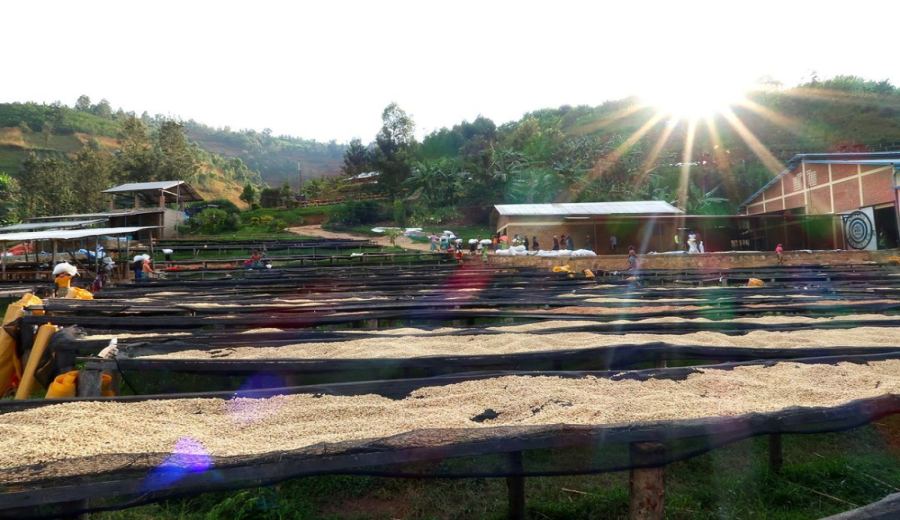
Introduction:As Ethiopia’s most iconic specialty coffee region, Yirgacheffe is renowned for its distinctive floral and fruity aromas and bright acidity. This article delves into its classic flavor profile—from light roasted washed beans to natural, fruit-forward, and SOE espresso beans—helping you understand the characteristics of different processing methods. We also offer beginner-friendly choices and advanced tasting directions, guiding you to find your own perfect way to enjoy Yirgacheffe.
When it comes to Ethiopian coffee, Yirgacheffe is undoubtedly a star region. The coffee produced here, with its vivid floral and fruity notes and vibrant acidity, holds a unique place in the global specialty coffee market. Many beginners often ask: What does Yirgacheffe actually taste like? Is it easy to drink for those without experience? This article will take you through a comprehensive exploration of this classic region’s charm—from flavor characteristics and processing differences to bean selections suitable for various levels—and provide practical purchasing and brewing guidance.
The reason Yirgacheffe has become a classic lies in its revolutionary coffee flavors. In the past, coffee was mostly dark roasted, generally characterized by strong bitterness, but Yirgacheffe is presented with a light roast, showcasing fresh floral and fruity notes and citrus acidity, allowing people to experience for the first time that “coffee can be as light and refreshing as tea.” This flavor profile not only broke the public’s stereotype of coffee but also ushered in the era of fruit-acid-forward coffee.
The typical flavor profile of Yirgacheffe often features white floral notes, crisp citrus or lemon tones, bright acidity that is not overly sharp, occasionally with a hint of honey-like sweetness, and a tea-like, delicate finish with almost no noticeable bitterness. The overall profile is layered and complex, and some even feel it resembles an exquisite floral and fruity tea rather than traditional coffee.
For those new to coffee, Yirgacheffe is an excellent starting point. Its flavors are clear and easily identifiable, helping you build a basic understanding of coffee acidity and aroma while guiding you to gradually explore the diverse world of specialty coffee. It is recommended that beginners start with entry-level washed Yirgacheffe, which is not only affordably priced but also allows you to practice pour over or brewing techniques with lower risk, experiencing the classic Yirgacheffe flavor.
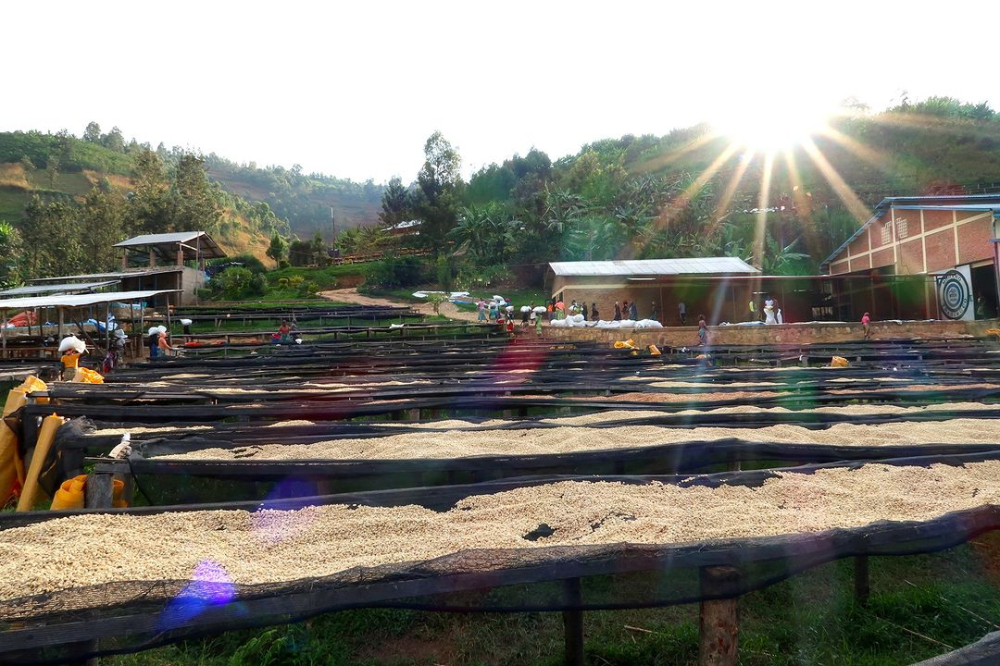
Advanced enthusiasts can further explore the flavor variations brought by different processing methods. For example, a certain brand’s natural Red Cherry beans use the traditional natural processing method, where the whole coffee fruit is directly sun-dried, allowing the sugars in the pulp and mucilage to fully participate in fermentation, resulting in richer berry, citrus, and apricot notes, along with a subtle complexity from fermentation—perfect for those who enjoy mature fruit flavors.
Another washed Fruit-Dingding bean showcases the refined characteristics of washed processing. Through meticulous washing, fermentation, and mucilage removal procedures, this bean presents a fresh citrus and white floral profile, paired with a delicate oolong tea-like finish. The overall profile is bright and balanced. The stability of washed processing has also helped Yirgacheffe stand out from the Sidamo region, becoming an independent and well-known specialty coffee region.
If you’re looking to challenge yourself with a higher-level Yirgacheffe experience, try the SOE (Single Origin, Single Variety) espresso beans. Designed specifically for espresso, these beans are made from high-maturity natural red cherries. The resulting espresso shot delivers bright lemon, citrus, and black tea aromas, making it suitable for making Americano or flat white. The flavor is rich yet refreshingly vibrant—an excellent choice for advanced coffee enthusiasts.
Whether you’re a beginner just starting out or an experienced coffee lover, Yirgacheffe offers a diverse range of flavor experiences. From approachable washed beans to richly flavored naturals and SOEs, each bean has its unique charm. Remember to adjust grind size and water temperature according to your brewing equipment and taste preferences—for example, use medium-fine grind (about the coarseness of granulated sugar) for pour over, and control the water temperature at 90–92°C to fully highlight Yirgacheffe’s delicate acidity and floral-fruit notes.

The above content is compiled by CoffeeHunters, a coffee news website.


