







Introduction:Want to know why Panamanian Geisha stands out in the global specialty coffee market? This article delves into the varietal origins of Geisha coffee, explores how Panama’s unique climate and soil contribute to its distinctive flavors, and explains the differences among product grades such as Red Label and Green Label, as well as processing methods. It also provides practical pour over and drip bag brewing parameters to help you easily brew a top-tier Geisha with rich floral aromas and bright fruity acidity.
From the primeval forests of Ethiopia’s highlands to the misty mountains of Panama, Geisha coffee has become a legendary variety in the specialty coffee world thanks to its unique floral notes and refined fruity acidity. Originally named Geisha, this coffee was first introduced from the Gesha Mountains in southwestern Ethiopia to Kenya and Tanzania in 1931, then made its way through Uganda and Costa Rica, and was finally planted in Panama by the Don Pachi Estate in the 1960s and 1970s.
In its early days, Geisha was long regarded as a windbreak crop due to its tall plants, low yield, and difficult harvesting. It wasn’t until 2003, when Panama’s Hacienda La Esmeralda began cultivating it separately in distinct micro-lots, and then won overwhelmingly at the Best of Panama (BOP) competition in 2004, that this variety rose to fame.
Geisha is extremely particular about its growing environment, requiring high altitude, cloud cover or dense shade trees, along with fertile soil to bring out its signature delicate floral notes, bright citrus acidity, and tea-like aftertaste. Panama’s unique geographical conditions—mountains running east to west that channel cool air into the Boquete and Candela regions above 1,900 meters—create a microclimate where temperature, humidity, and rainfall are perfectly balanced, making it an ideal home for Geisha.
In addition to the climate, the local volcanic soil, rich in minerals and organic matter, provides abundant nutrients for coffee trees, resulting in the unique aroma layers and fine texture of Geisha coffee.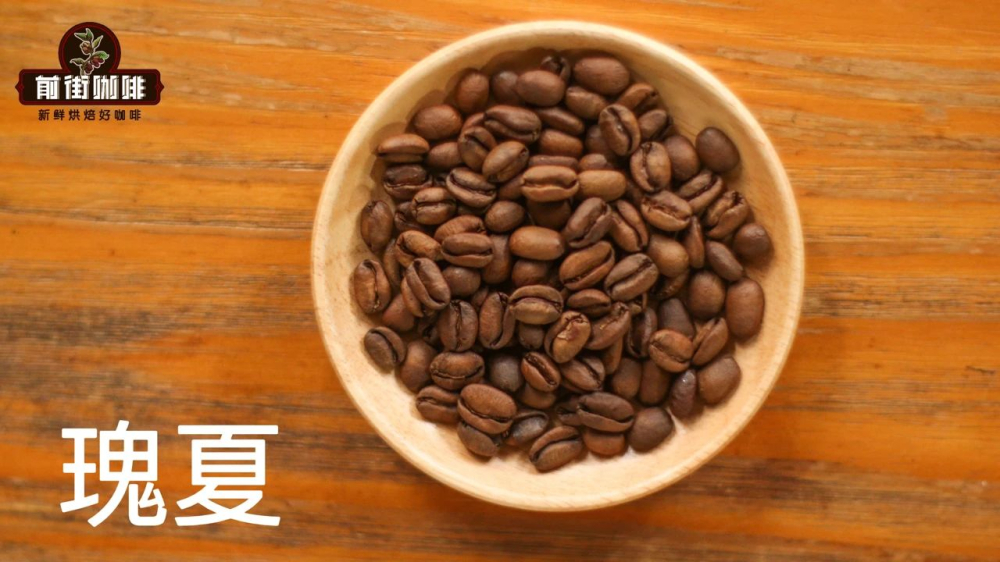 Although Geisha is now grown in multiple regions, including Ethiopia, Colombia, Costa Rica, Guatemala, and even Yunnan in China, due to differences in climate, altitude, soil, and processing techniques, most cannot replicate the unique flavor profile of Panamanian Geisha, which remains the recognized benchmark of quality in the market.
Hacienda La Esmeralda was the pioneer in discovering Geisha’s potential. It implemented detailed management of different micro-plots within the estate and established a product grading system. The initial product line included three major brands: Esmeralda Special, Private Collection, and Geisha 1500, as well as two series of the Catuai variety: Diamond Mountain and Pamela. As market demand grew, Hacienda La Esmeralda adjusted its strategy between 2020 and 2022 by separating auction lots into an exclusive product line. The Red Label was reserved for the highest-quality non-auction natural process batches, the Green Label became a washed process blend from plots at 1,600 to 1,800 meters, and the original Blue Label was discontinued for reasons of cost-effectiveness.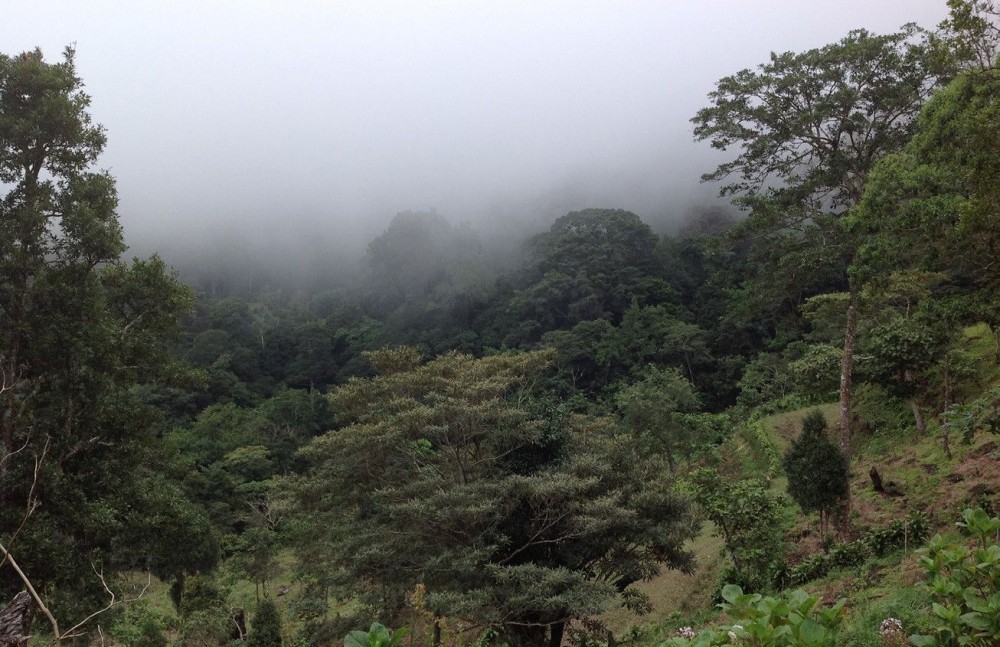
For beginners new to specialty coffee, Geisha is a very approachable choice due to its low bitterness, high floral and fruity notes. It is generally roasted to a medium-light level, paired with medium-fine grinding (e.g., 80% passing through a Chinese No. 20 sieve, similar in coarseness to fine sugar), and brewed with slightly higher water temperature (around 91°C) to fully showcase its intricate flavor layers.
Brewing an outstanding cup of Geisha, the freshness of the coffee beans is crucial. It is recommended to choose beans roasted within 5 days and allow them to rest for 4 to 7 days to reach optimal flavor. If purchasing freshly ground coffee powder, it is best to use it immediately to avoid oxidation and flavor loss due to exposure to air.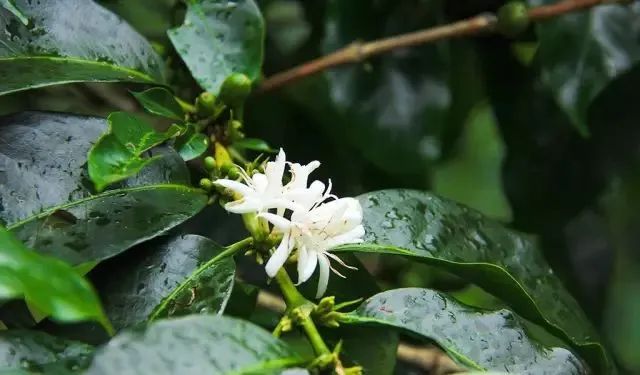
Below is a battle-tested three-stage pour over recommendation: Use a V60 filter cone, 15 grams of coffee, a 1:15 coffee-to-water ratio, 91°C water temperature, and medium-fine grind (similar to fine sugar, 80% passing through a No. 20 sieve). First, perform a 30-second bloom with 30 grams of water (about twice the coffee weight) to release CO₂; then pour 125 grams of water to reach a total of 155 grams, maintaining a steady circular pour until the liquid level rises to the shorter ribs of the filter cone; finally, when the liquid level drops by half, pour 70 grams of water to reach a total of 225 grams. The total extraction time is about 2 minutes, highlighting Geisha’s rich fruity, floral, and honey-like sweetness.
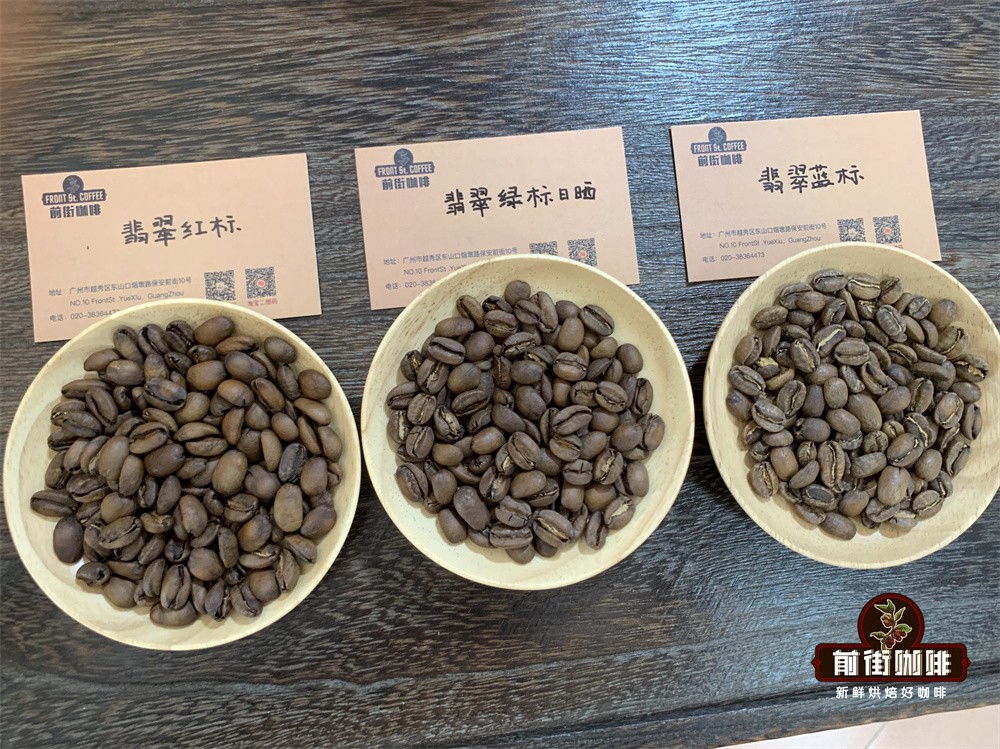
Geisha from different regions and processing methods each has its unique characteristics: Hacienda La Esmeralda’s Red Label often presents a bright combination of rose, citrus, berries, and honey, with juicy and layered flavors; the Green Label features jasmine floral notes and citrus tones as the main theme, accompanied by a creamy texture and green tea aftertaste, with prominent and long-lasting sweetness. Additionally, for convenience, you can also choose freshly roasted Panamanian Geisha drip bags. Just be sure to use water at 86 to 93°C and control the pouring speed and drip time to enjoy a professional-level pour over flavor experience.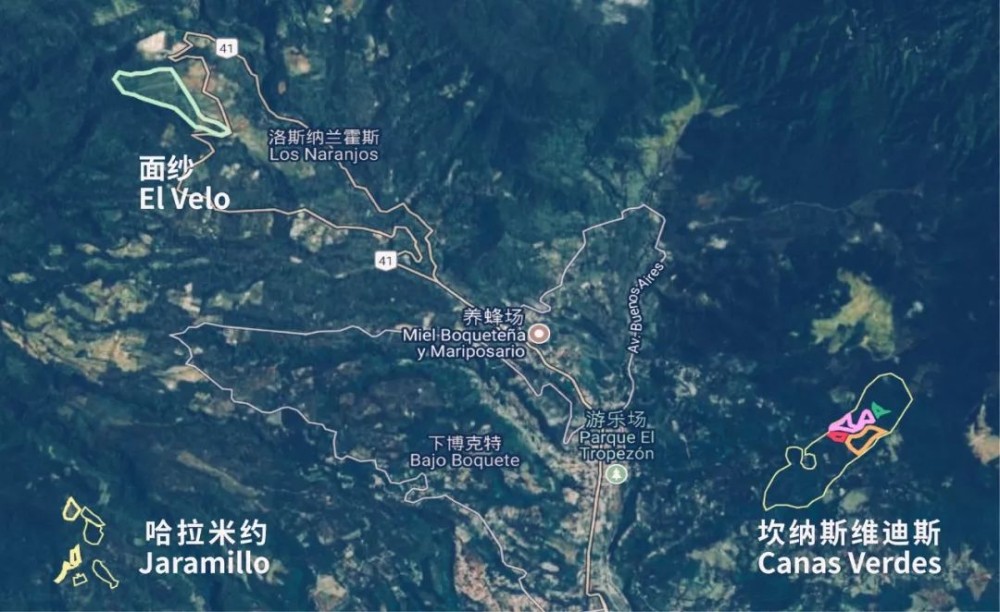
The above content is compiled by CoffeeHunters, a coffee news website.


