







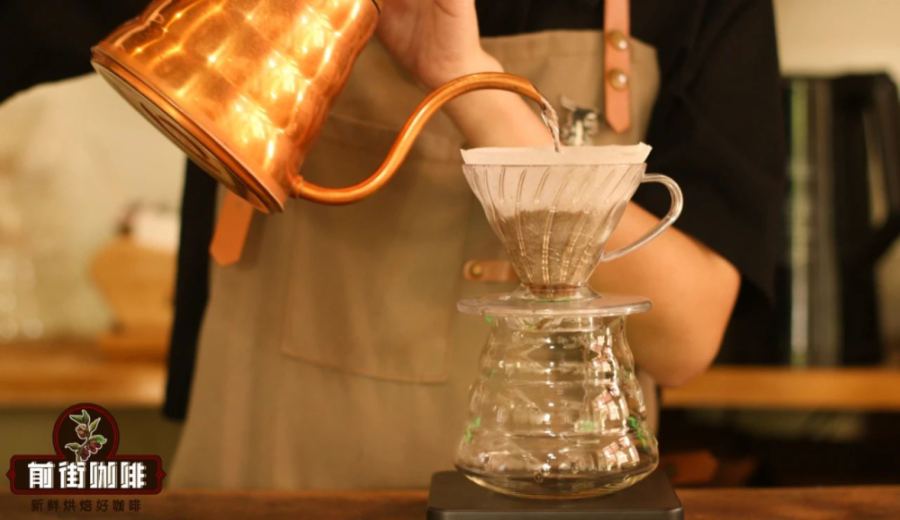
Introduction:Exploring how the coffee-to-water ratio subtly alters the overall performance of Kenyan AA pour over coffee. This article uses top-grade AA beans from the Asali washing station in the Thika region as an example, keeping the three-phase extraction method and water temperature at 90–92°C constant, and testing the differences among three coffee-to-water ratios: 1:13, 1:15, and 1:17. We analyze the development of citrus, cherry tomato, dark plum, and caramel flavors, and delve into the interplay between the Golden Cup theory range, extraction yield, and concentration to provide a practical guide for beginners adjusting their pour over parameters.
For those just starting with pour over coffee, the coffee-to-water ratio is often one of the most confusing aspects. Even if you’ve mastered basic pouring techniques, failing to adjust the appropriate water-to-coffee ratio based on the beans’ characteristics and target flavor profile makes it difficult to fully showcase the hidden layers of the coffee. In this article, we use AA TOP-grade coffee beans produced by the Asali washing station in Kenya’s Thika region as an example. By fixing the three-phase extraction method and maintaining a stable water temperature of 90–92°C, we only change the coffee-to-water ratio settings, practically testing the 1:13, 1:15, and 1:17 ratios to observe their impact on flavor expression, extraction strength, and overall mouthfeel.
During the experiment, we meticulously recorded the flavor profile of each ratio, including bright citrus notes, the aroma of cherry tomatoes emerging as the cup cools, the unique smoky character of dark plums, and the caramel sweetness in the aftertaste. We also analyzed the extraction yield and concentration, referencing the Golden Cup theory range proposed by the Specialty Coffee Association of America (concentration 1.15–1.45%, extraction yield 18–22%) to clarify what constitutes a well-balanced pour over coffee.
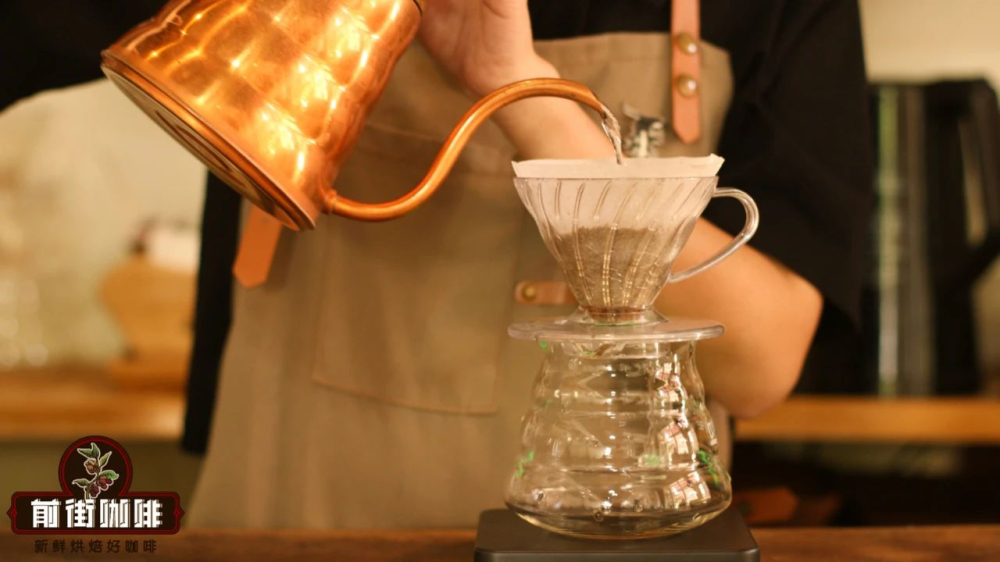
The coffee-to-water ratio, as the name suggests, is the ratio of the weight of coffee grounds to the total amount of water poured. For example, 1:15 means using 15 grams of water for every 1 gram of coffee grounds, which is the starting point commonly used by many coffee shops and enthusiasts. This ratio provides a stable foundation for extraction, helping the soluble flavor compounds in most coffee beans fall within the Golden Cup range, achieving a balanced acidity and sweetness along with moderate body. However, this is not an unchangeable rule—small adjustments to the ratio can significantly alter the overall performance of the coffee.
The principle of extraction lies in the contact between water and coffee grounds, dissolving aromatic substances and various compounds into the water. Currently, mainstream extraction methods can be divided into two main categories: filtration-based and immersion-based. The former, such as pour over coffee, involves water passing through the coffee bed, using gravity and flow rate to control extraction; the latter, such as French press and AeroPress, involves mixing water and coffee grounds thoroughly, letting it steep for a period before filtering. Both are physical processes that do not involve chemical reactions, but their extraction efficiency and final flavor presentation can differ greatly.
According to the Golden Cup theory by the Specialty Coffee Association of America, an ideal pour over coffee should have a concentration between 1.15% and 1.45%, with an extraction yield maintained between 18% and 22%. If the concentration is too low, the flavor may come across as thin; if too high, it might become overly intense and harsh. Similarly, a low extraction yield can lead to overly sharp acidity, while a high extraction yield may bring about unpleasant bitterness. Therefore, when adjusting the coffee-to-water ratio, one should not only look at the ratio itself, but also take into account other parameters such as grind size, water temperature, pouring technique, and time.
It’s worth noting that if you find your brewed coffee too sour or astringent, the first thing to check should be the extraction yield rather than immediately adjusting the coffee-to-water ratio. Common improvements include grinding the coffee finer or extending the total extraction time to allow better interaction between water and coffee grounds. Once these basic parameters are stabilized, further fine-tuning the water-to-coffee ratio often yields more desirable results.
This practical test focuses on the AA TOP-grade coffee beans from the Asali washing station in Kenya’s Thika region. These beans are of the SL28 and SL34 varieties, grown in volcanic soil regions at altitudes of 1550–1750 meters, and are processed using a unique 72-hour washed method. During processing, farmers carefully select the highest-quality coffee cherries on the day of harvest, remove the skins, and undergo a first round of fermentation for 24 hours, followed by thorough rinsing with clean river water. This fermentation and rinsing cycle is then repeated two more times, totaling 72 hours, hence the name. This processing method allows for long-term fermentation at low temperatures, endowing the coffee beans with brighter, cleaner, and more robust flavor characteristics.
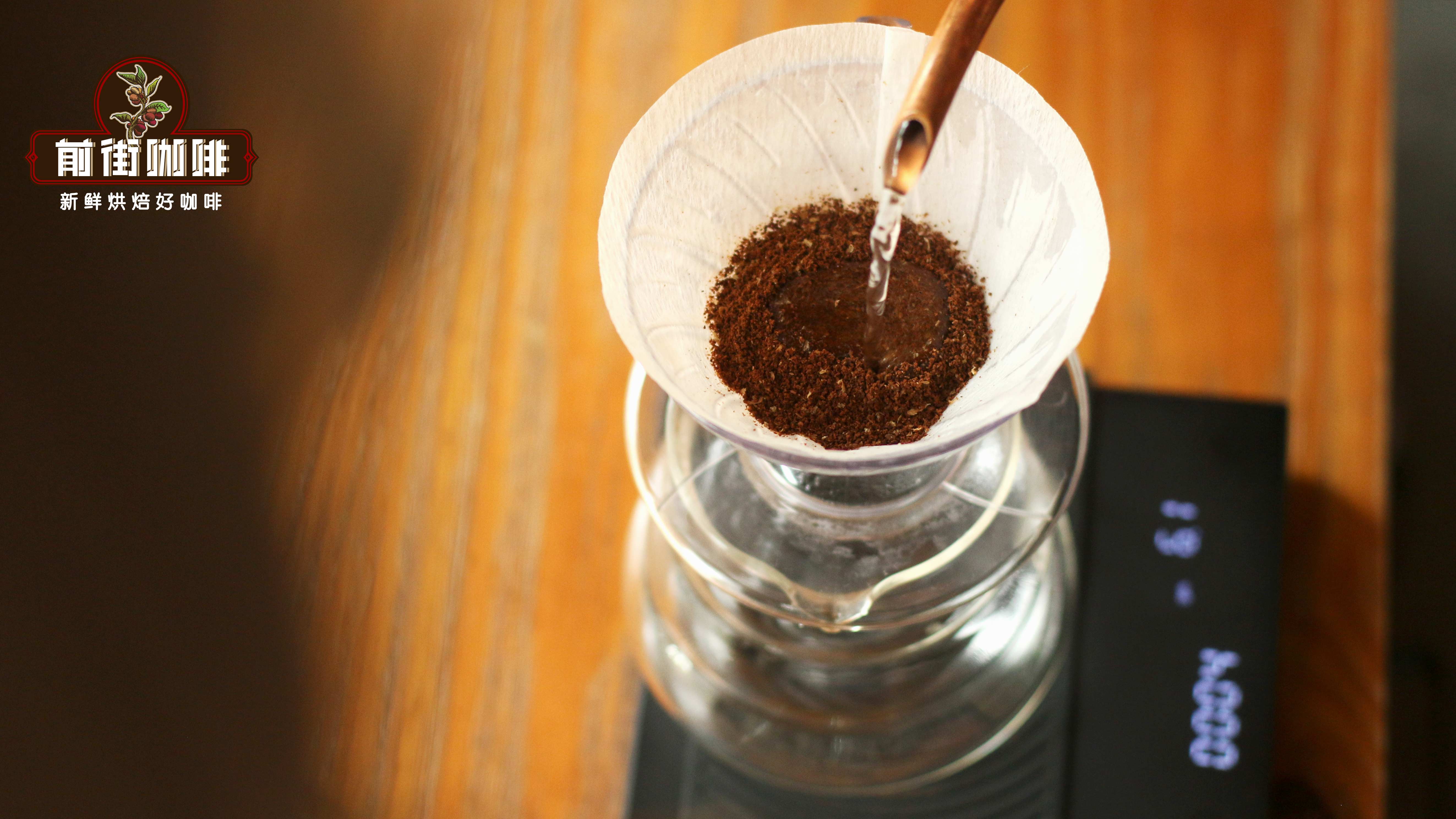
In the experiment, we used the V60 dripper, with water temperature controlled at 90–92°C, grind size set to medium-fine (approximately 80% passing through a Chinese standard No. 20 sieve), and 15 grams of coffee grounds as the base. We conducted three-phase extractions using coffee-to-water ratios of 1:13, 1:15, and 1:17. Each round began with a 30-second bloom using 30 grams of water, followed by pouring in small streams in a circular motion around the center. Extraction ended at total water volumes of 125 grams, 225 grams, and the corresponding ratios, with the dripper removed just as the water level was about to expose the coffee bed, resulting in a total extraction time of approximately 2 minutes.
When the coffee-to-water ratio is set to 1:15, the flavor offers bright citrus acidity, and as the temperature drops slightly, the delicate aroma of cherry tomatoes emerges. The acidity becomes uplifting with a lemon-like freshness, and the aftertaste is long-lasting with a light tea-like quality, making the overall profile quite balanced and enjoyable. When the ratio is adjusted to 1:13, the flavor becomes more intense, with a pronounced caramel-like body and the distinct smoky character of dark plums upon entry. Acidity is more concentrated in the later stages, not very prominent at higher temperatures, and the overall sweetness increases, though the layers feel somewhat simpler. As for the 1:17 setting, the flavor seems much more subdued, with noticeably thinner body. Although the acidity becomes more pronounced as it cools, the overall cup feels more astringent, lacking layers and a satisfying aftertaste.
Through this practical test, it’s clear that adjusting the coffee-to-water ratio has a direct and significant impact on the overall performance of pour over coffee. Whether you’re a beginner or an experienced coffee enthusiast, it’s recommended to try different ratios yourself. By experimenting with actual brewing, you can find the optimal balance that suits your personal taste. Only by doing it yourself can you truly understand how the coffee-to-water ratio shapes the unique flavor of a pour over coffee.
The above content is compiled by CoffeeHunters, a coffee news website.


