







Introduction:Want to understand how a coffee with notes of wine and cream is created? This article delves into the variety background, processing method, and brewing techniques that bring out the unique flavors of Honduran Sherry coffee beans. From the characteristics of the Caturra and Catuai varieties to the details of whiskey barrel fermentation, and practical recommendations for pour over and espresso use, you’ll get a comprehensive grasp of this highly acclaimed Central American specialty coffee.
What kind of flavor surprise does coffee create when paired with wine? Honduran Sherry-flavored coffee beans, known for their rich vanilla cream and fermented wine aromas, have secured a place in the global specialty coffee market. This Central American coffee not only features a unique processing method but also combines the traits of the region’s main cultivars—Caturra and Catuai—to deliver a balanced and layered taste profile.
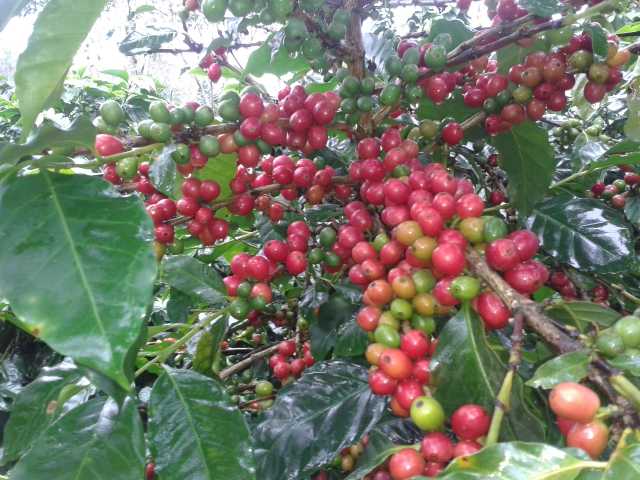
Although Honduras’ coffee industry started relatively late, it has developed rapidly, surpassing neighboring Guatemala in production by 2011. The country’s coffee plantations mainly grow Caturra and Catuai, two Arabica varieties derived from the Bourbon family. These varieties are not only highly adaptable but also serve as the foundation for many specialty coffees.
Caturra is a natural mutation discovered between 1915 and 1918 in Minas Gerais, Brazil. Its name, “Caturra,” comes from the Guaraní word meaning “small,” referring to its compact plant size. This short, dense tree structure allows for higher planting density. Since the 1940s, it has been introduced to countries such as Guatemala, Costa Rica, and Honduras, becoming one of the most widely cultivated varieties in Central America.
Catuai was developed by the Agricultural Institute of Campinas, São Paulo State (IAC) in Brazil, with parentage from Mundo Novo and Caturra. In addition to inheriting Caturra’s compact growth habit, it yields higher than traditional Bourbon varieties, with planting density up to twice that of Bourbon. Introduced to Honduras in 1979 and commercially planted from 1983 onward, it now accounts for more than half of the country’s Arabica cultivation area.
While Central American coffees often feature nutty and caramel profiles, this Honduran Sherry-flavored coffee takes a distinctly different path. Its unique wine-like aroma and creamy sweetness come from a meticulous washed process combined with low-temperature fermentation in whiskey barrels.
At Finca Mocha, coffee farmers carefully select the ripest coffee cherries. After removing the pulp and skin through the washed process, the parchment beans are placed in Sherry whiskey barrels and undergo low-temperature fermentation at a constant temperature of 15–20°C for 30–40 days. During this period, the beans interact with the residual aromatic compounds in the barrels, gradually developing sweet, whiskey-like fermented flavors. After fermentation, the beans are dried in a cool, shaded area to prevent high temperatures from damaging the aromatic molecules.
It’s worth noting that coffee beans fermented in barrels should avoid direct sunlight during drying. High heat can cause volatile aromatic compounds to dissipate or even introduce unwanted astringency. The choice of Sherry barrels is due to their common use in aging high-quality whiskey, which imparts complex flavors such as sweet fruit, vanilla, cream, and honey to the coffee. Compared to regular oak barrels, Sherry barrels offer more layers and a smoother character.
This coffee, grown at elevations of 1500–1700 meters in the Mazagua region of Honduras, is processed by Finca Mocha using a refined washed method combined with whiskey barrel fermentation. The varieties include Caturra, Catuai, and a small amount of Pacas. It is roasted to a medium level to enhance its natural sweetness and body, making it ideal for pour over brewing with a Hario V60 filter and medium-fine grind.
Recommended pour over parameters are as follows:
- Filter: Hario V60
- Water temperature: 90°C
- Coffee dose: 15 grams
- Coffee-to-water ratio: 1:15
- Grind size: 80% passing through a standard Chinese No. 20 sieve (medium-fine grind)
- Steps: Start with a 30-second bloom using 30 grams of hot water, then slowly pour in a circular motion from the center until reaching 125 grams. Once the water level drops slightly, continue pouring to 225 grams. Total extraction time is about 2 minutes.
For freshly roasted beans, it is recommended to let them rest for 4–7 days. Blooming before brewing not only helps release gases but also ensures a more stable extraction. If you don’t have a grinder, although pre-ground services are available, it is best to buy whole beans and grind them fresh for optimal flavor.
Besides pour over, this Sherry-flavored coffee is also suitable for espresso blends. One brand’s “Sunflower Warm Sun” espresso blend consists of 70% Honduran Sherry and 30% Ethiopian sun-dried red cherry. This blend, refined through repeated adjustments, highlights a strong vanilla and cream base with prominent fermented wine notes and a black chocolate finish. It offers a full-bodied yet balanced taste, making it an excellent base for lattes or cappuccinos.
In summary, Honduran Sherry coffee beans, with their rare whiskey barrel fermentation process and dual-variety genetic makeup, deliver a unique flavor profile that combines fruity, creamy, and subtle wine notes. Whether you’re a pour over enthusiast or an espresso lover, this premium coffee from Mazagua is well worth experiencing for yourself.
The above content is compiled by CoffeeHunters, a coffee news website.


