







Introduction:Drip bags combine convenience with great flavor, making them a top choice for many busy individuals. However, brewing a cup of coffee with rich layers is not as simple as just adding water. This article delves into the key points of choosing drip bags, water temperature control, coffee-to-water ratio settings, blooming techniques, and common issues — from basics to advanced tips — to help you achieve a professional pour over-like taste using a simple tool.
In recent years, coffee culture has rapidly expanded globally, especially among young professionals. When visiting a café isn’t possible, drip bags become the ideal alternative, offering both convenience and flavor. However, to truly unlock the potential of drip bags, understanding the correct brewing method is crucial. This article will detail how to brew drip bag coffee with quality close to professional pour over by focusing on key elements such as bean selection, water temperature, and pouring techniques.
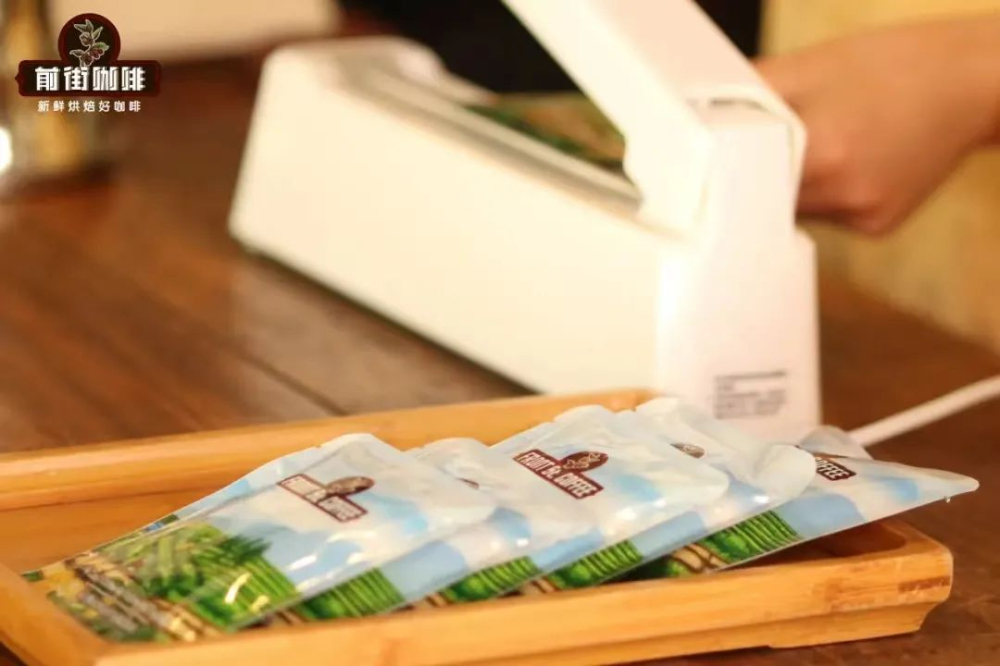
Thanks to their ease of use, drip bags have become a staple in many homes and offices. The market offers a wide variety of drip bag products, and when choosing, you may want to prioritize those that highlight regional characteristics. For example, if you prefer bright fruity acidity, you can opt for an Ethiopian Yirgacheffe-style drip bag, which often features complex aromas like jasmine, berries, and lemon; if you enjoy a rich and balanced taste, Brazilian drip bags with notes of chocolate, caramel, and cream are a good choice; for those who dislike acidity and seek a bold flavor, Indonesian Mandheling drip bags offer a hearty nutty and spicy profile.
Many first-time users of drip bags often overlook the step of preheating the cup, but warming your coffee cup can effectively maintain beverage temperature and reduce flavor loss. A warm cup slows down the cooling process, allowing you to enjoy the full aroma from the first sip to the last. In addition, adjusting the water temperature based on the coffee’s roast level before brewing is also key. Generally, for dark roasts, it is recommended to use 86 to 89°C , while light roasts suit 90 to 93°C. If you don’t have a thermometer, you can let boiled water sit for 2 to 3 minutes before using.
A standard drip coffee bag usually contains 10 grams of coffee grounds. Based on a 1:15 [coffee-to-water ratio] of around 1:15, the total brewing water volume is approximately150 milliliters
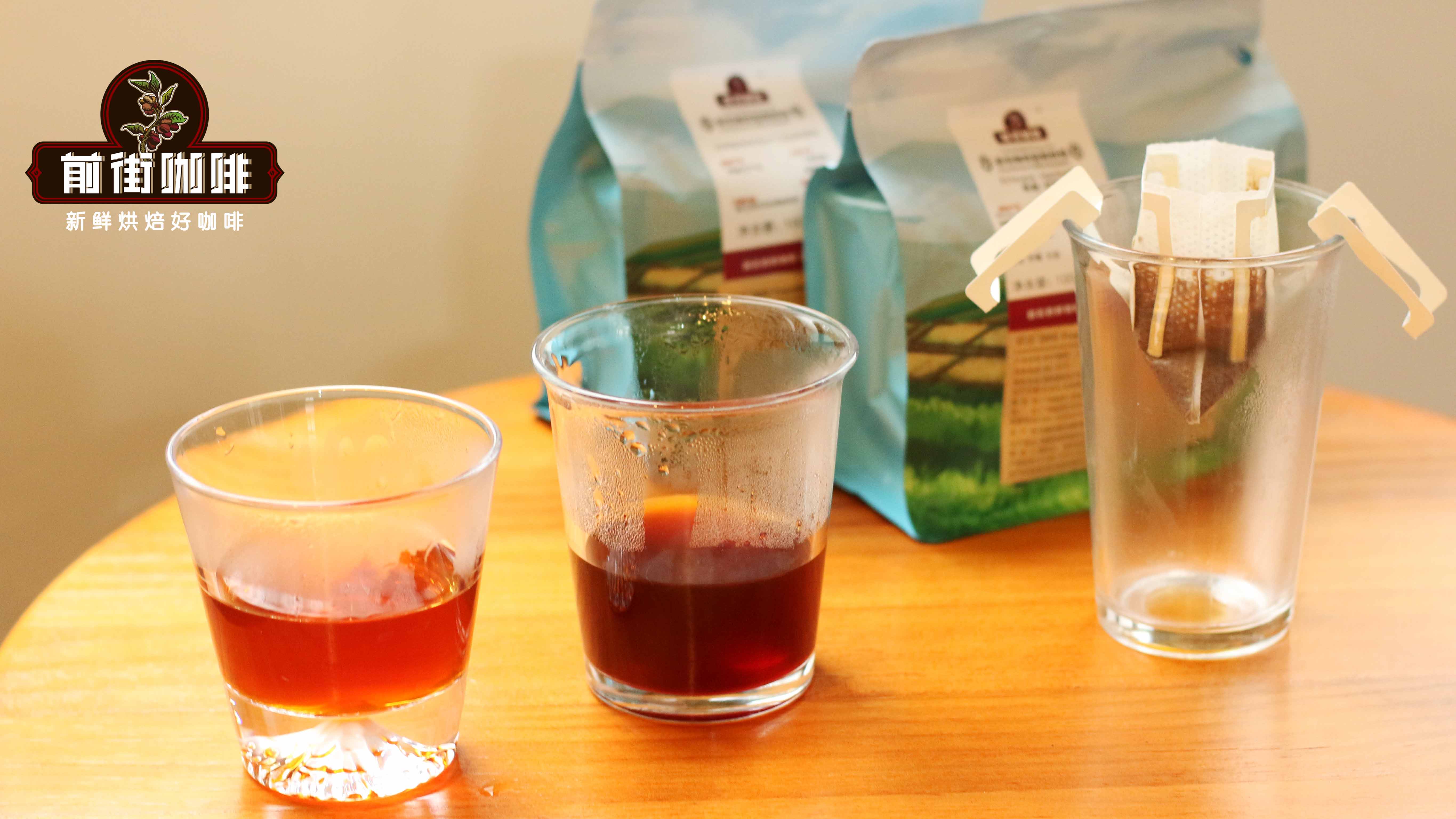
. Brewing can be done in two steps: first, perform the bloom by pouring a small amount of hot water to allow the coffee grounds to fully absorb water and expand. This step helps release carbon dioxide and initiates flavor extraction; once the grounds in the filter bag are evenly moistened, continue pouring until the bag is about 90% full. After the coffee liquid has finished dripping, pour again until near full capacity to ensure the total water volume reaches the ideal range.
Blooming is a step often overlooked but extremely important in the brewing process. This action not only expels carbon dioxide from the coffee grounds but also helps subsequent flavor compounds release more efficiently. After blooming, it is recommended to pour in a circular motion from the center outward to ensure a uniform and rich extraction. If you don’t have precise weighing tools, you can control the water volume by observing the cup’s capacity markings.
In addition to water temperature and volume, the coffee-to-water ratio and grind size are also key parameters affecting coffee flavor. Although the coffee grounds in drip bags are usually pre-ground by the manufacturer to a suitable fineness for drip brewing, if you’re brewing at home, you may need to adjust the grind size based on the equipment used. For example, devices like pour over brewers, French presses, and AeroPresses each have an optimal grind range, and it’s recommended to adjust according to professional guidelines.
Regarding whether drip bags can be reused, it is generally not recommended. The first brew already extracts the majority of soluble flavor compounds, and a second brew not only tastes weak but may also bring noticeable bitterness. If you don’t want to waste the coffee grounds, consider repurposing them for deodorizing, moisture absorption, or as plant fertilizer to give them added value.
The above content is compiled by CoffeeHunters, a coffee news website.


