








Introduction:Many coffee enthusiasts use high-end home espresso machines but still struggle to consistently extract ideal flavors. In reality, every step—from coffee bean selection and grind size control to tamping technique and extraction timing—can be a critical factor affecting the final result. This article will delve into three common mistakes in home espresso brewing, including using pre-ground coffee, improper tamping methods, and delayed extraction, and provide practical improvement suggestions to help beginners avoid common pitfalls and gradually enhance coffee quality.
With the increasing popularity of home espresso machines, more and more coffee lovers are attempting to brew espresso at home. However, even with a high-performance machine, slight negligence in other steps can easily lead to extraction failure, compromising the final flavor. Below, we’ll explore the three most common issues in home espresso brewing and offer practical solutions.

Today’s compact coffee machines are becoming increasingly sleek and user-friendly, making it easier for many to try their hand at professional-grade espresso at home. However, for beginners, there are still plenty of steps where things can go wrong—from coffee bean selection and grinding to puck preparation and extraction timing—each of which can impact the final cup.
I. Three Hidden Risks of Using Pre-Ground Coffee
Some beginner coffee drinkers assume that owning a high-quality espresso machine is enough to brew great coffee, thus overlooking the importance of bean selection and freshness. Some even opt for the convenience of store-bought pre-ground espresso, thinking it saves them the cost of a grinder or believing that coffee shop grinders are more professional.
However, using pre-ground coffee actually leads to three main issues. First,once coffee is ground—especially to the fine consistency required for espresso—its flavor compounds begin to dissipate rapidly, especially if not stored in an airtight container, with noticeable degradation occurring within just a few hours. Store-bought pre-ground coffee often comes in large packages, such as one pound or one kilogram, which most households can’t finish before the flavors have significantly faded, ultimately wasting high-quality beans.
Second,crema quality is one of the key indicators of espresso excellence, as good crema not only enhances visual appeal but also helps retain aromatic compounds. However, once beans are ground, the carbon dioxide inside is quickly released and the oils aren’t preserved effectively, resulting in thin or even absent crema.
Third,espresso requires an extremely precise grind size, and even professional shops calibrate their grinders daily. Pre-ground coffee cannot guarantee compatibility with your specific machine, nor can it adjust for daily changes in climate or bean condition, leading to very inconsistent results.
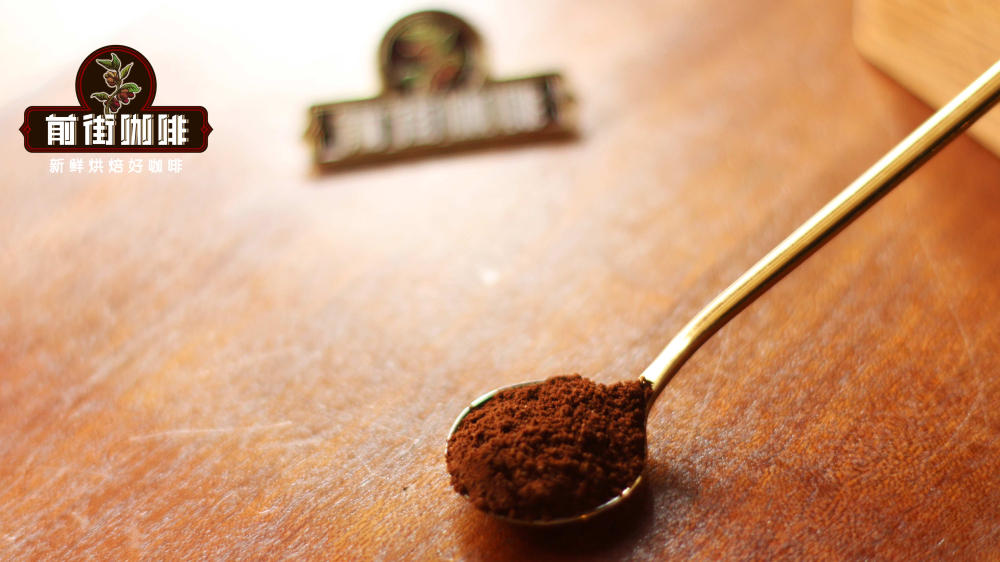
If you already own a grinder but mainly use it for pour over, it’s not advisable to use it for espresso. The grind settings for pour over and espresso differ drastically, and most grinders can’t accommodate both needs effectively. For instance, even high-end grinders like the EK43s, when set to their finest setting, still produce a coarser grind than what a professional espresso burr set provides. Therefore, if you’re serious about brewing stable, flavorful espresso at home, investing in a dedicated espresso grinder is essential.
Additionally, choosing freshly roasted beans suitable for espresso extraction is crucial. For beginners, it’s recommended to start with professionally blended beans, such as those offering hazelnut, caramel, and buttery notes. These blends not only produce rich crema easily but also perform well on standard home machines.
II. Uneven Puck Density from Repeated Tamping
Many baristas emphasize the need to “flatten” the puck during tamping, leading some to over-pursue absolute surface smoothness—constantly adjusting left and right height differences by pressing down on one side and then the other. While the surface may look level,this results in uneven internal puck density, creating channels or cavities during extraction, severely impacting extraction uniformity.
In truth, the puck only needs to be roughly level without obvious tilting; over-correcting can cause more problems. Tamping should ideally be done in one smooth motion. If you find it hard to achieve a flat surface, it might be an issue with your tamping posture or pressure point—practicing the basic motion again is advised.
Also, some users, upon finding insufficient coffee after the first tamp, add more grounds and tamp again, which can easily disrupt the puck’s internal structure and lead to channeling. The correct approach is:if the coffee amount is insufficient, first break up the already-tamped puck back into loose grounds, re-measure the correct dose, and then tamp evenlyto ensure consistent puck density throughout.
III. Delayed Extraction Leading to Overheated Puck
Another common mistake is not starting the extraction immediately after tamping. Instead, users leave the portafilter seated on the group head while preparing cups, scales, or other tools, only beginning extraction once everything is ready. This leaves the puck exposed to the high heat of the group head for too long, causing the coffee grounds to over-roast and resulting in bitter, burnt flavors.

The group head, even while the machine is idle or preheating, often reaches extremely high temperatures. Leaving the puck on it for extended periods causes it to release undesirable flavors due to prolonged heat exposure. Therefore,the ideal process is to start extraction immediately after attaching the portafilter, ensuring the coffee grounds meet hot water in their optimal state to extract clean, layered flavors.
The above content is compiled by CoffeeHunters, a coffee news website.


