







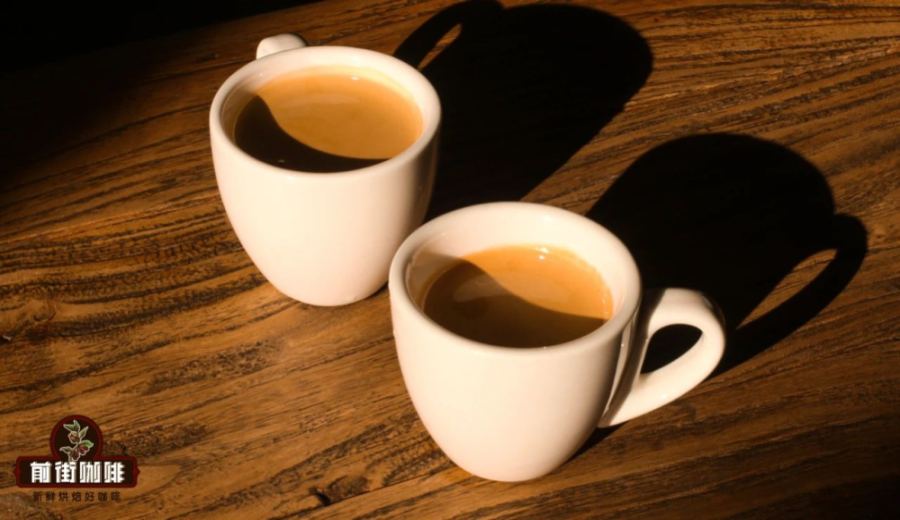
Introduction:To make an ideal espresso, the dosage of coffee grounds, the choice of portafilter basket, and extraction parameters are all essential. This article delves into the structural differences between single and double shot baskets, explains why the double shot basket has become the market standard, and provides a step-by-step guide to the standard extraction process with practical examples — including recommended dosage, brew ratio, time control, and distribution & tamping techniques — to help you master the key factors for consistently producing espresso with a rich crema and layered flavors.
Have you ever wondered how much coffee you should use for a single espresso shot? What’s the difference between single and double shot baskets? These questions are fundamental for anyone aiming to consistently brew delicious espresso. This article starts with the design principles and practical applications of the double shot basket, taking you through the details and key parameters behind the standard extraction process.
Design Differences Between Single and Double Shot Baskets
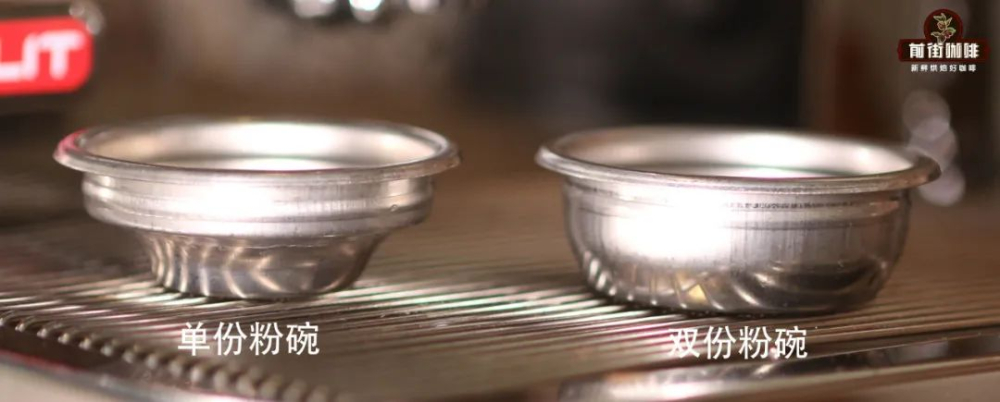
In traditional espresso preparation, a single shot is often referred to as a “1 shot,” a term borrowed from the unit used in liquor, where 1 shot is about 30ml. In early standards, a 1-shot espresso was recommended to use 9 to 11 grams of coffee grounds. However, with the evolution of coffee equipment, this usage has gradually been phased out by the market, mainly due to the design structure of single shot baskets.
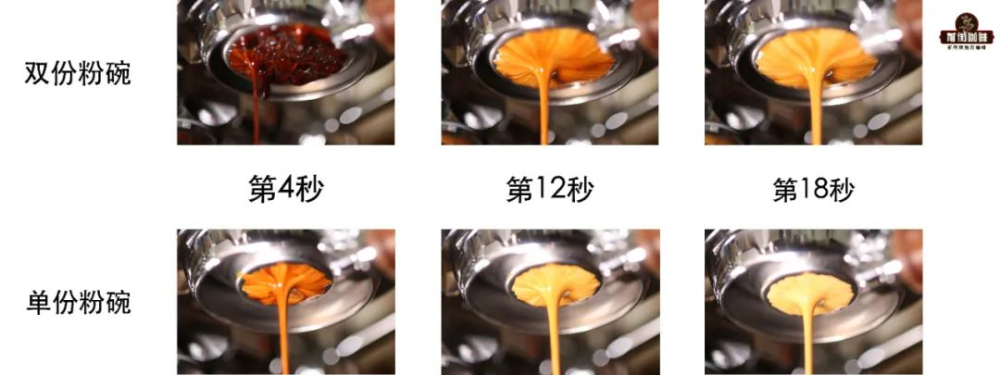
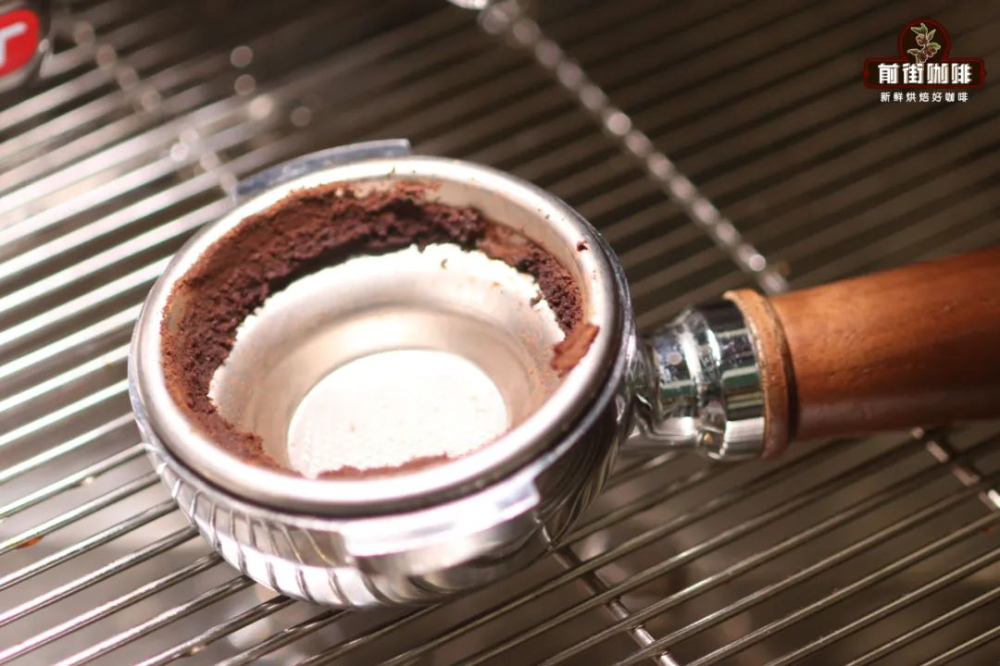
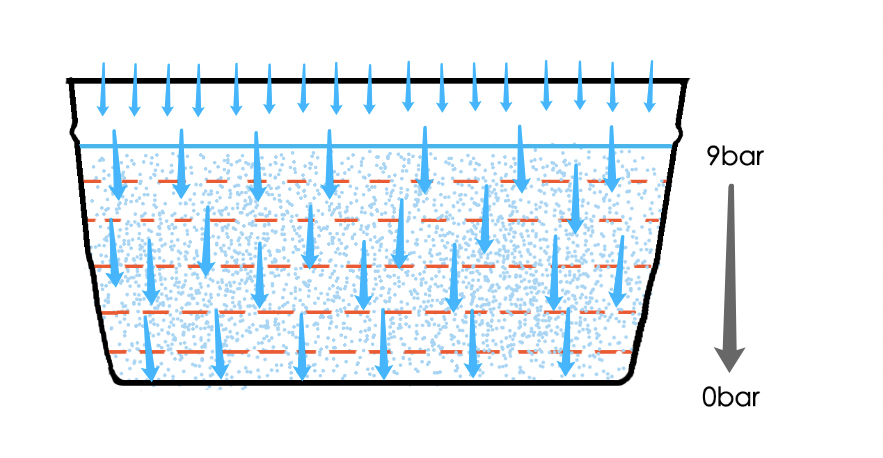
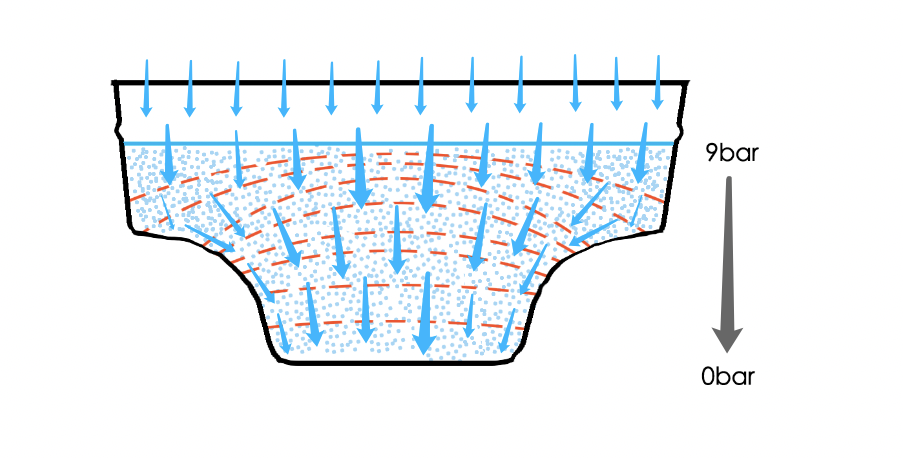
Single shot baskets typically feature an inverted cone design, with an upper opening diameter similar to that of a double shot basket. But since the coffee dosage is only half that of a double shot, the lower section narrows to maintain a similar coffee bed thickness and extraction surface area as the double shot basket. However, in practice, due to capacity limitations and extraction efficiency issues, single shot baskets often lead to uneven extraction or subpar flavor performance. In contrast,double shot baskets adopt a cylindrical structure, and the resulting coffee puck takes on a neat “round almond cookie” shape, which is more conducive to stable extraction and flavor expression.
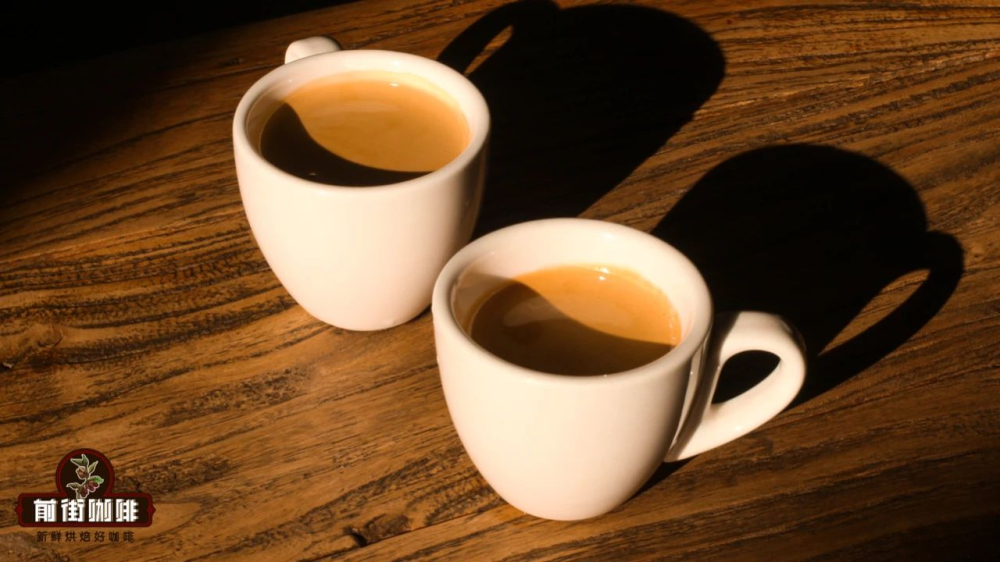
Double Shot Baskets Become the Standard, Extraction Parameters Become More Standardized
Currently, the industry generally regards espresso extracted using a double shot basket as a “standard single shot,” with a common brew ratio of 1:2, meaning 2 grams of coffee liquid are extracted from every 1 gram of coffee grounds. The extraction time is generally recommended to be controlled within 20 to 35 seconds. Too short may result in under-extraction, leading to weak flavors; too long may cause over-extraction, producing burnt and bitter notes. Most professional shops set the extraction time at 28 to 30 secondsto achieve the best balance.
Practical Operation Process for Double Shot Baskets
Taking a common double shot basket as an example, the recommended coffee dosage is 18 to 20 grams, with the corresponding brewed liquid weight being 36 to 40 grams, adjusted according to a 1:2 brew ratio. For instance, if using 20 grams of coffee, the target liquid weight should be 40 grams; if choosing 18 grams, then extracting around 36 grams of liquid would suffice.
Before starting the extraction, ensure the basket is completely dry to avoid residual moisture affecting the interaction between coffee and water. Then, grind an appropriate amount of coffee beans using a grinder, and it’s advisable to weigh them beforehand to precisely control the dosage. Use a distribution tool to evenly spread the coffee grounds, then apply vertical pressure with a tamper to ensure the puck is compact and level — this step is crucial for stabilizing flow rate and extracting balanced flavors.
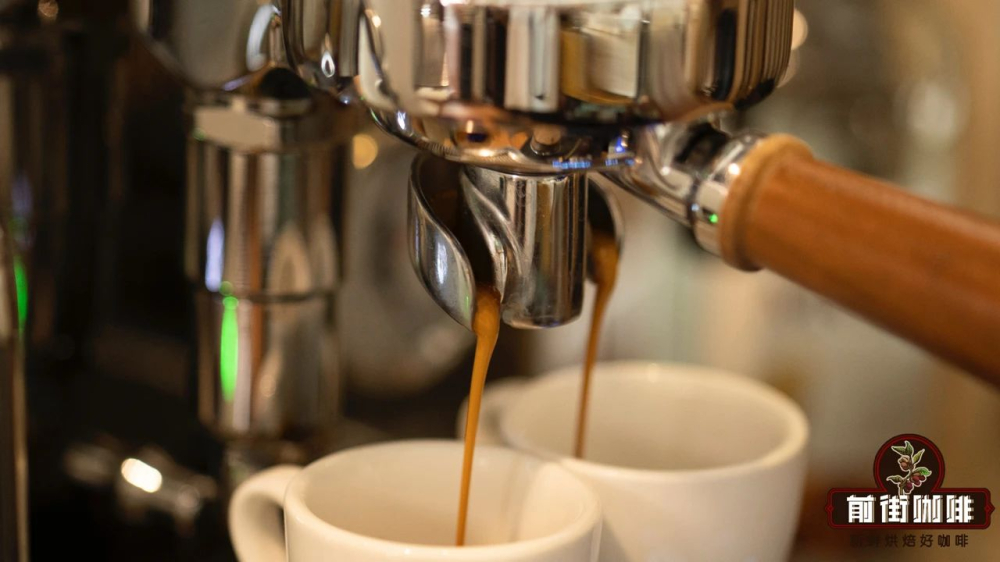
Start Extraction: Pay Attention to Water Flow and Time Control
Before beginning the extraction, you can first open the brew switch and let water run for 1 to 2 seconds. This helps to wet the group head and remove any attached coffee residue, contributing to more stable extraction afterward. Then gently lock the portafilter into the group head, start the extraction, place the cup underneath to catch the coffee, and put a zeroed electronic scale beneath to monitor the liquid weight and time.
When the electronic scale shows the target liquid weight (e.g., 40 grams), and the time falls within the 28 to 30-second range, you can pull the switch to stop the extraction. It’s important to note that environmental humidity, coffee bean freshness, and grind size can all affect extraction performance. Adjust the dosage, grind setting, and extraction volume flexibly based on daily conditions to achieve optimal flavor.
Flavor Evaluation and Subsequent Adjustments
A freshly extracted espresso should have a rich and dense crema, one of the signs of successful extraction. Upon tasting, you can first feel the fine texture of the crema, followed by a complex array of flavors such as chocolate, nuts, berries, and even subtle hints of wine and creaminess. If you prefer a milder taste, you can adjust concentration and flavor to your liking by adding hot water or milk.
When evaluating an espresso, it’s recommended to first smell the aroma, then observe the crema texture, and finally take small sips to experience the flavor transitions in the mouth and the aftertaste. Some coffees may also exhibit aromas of caramel, vanilla, and cookies — these details are all important indicators of successful extraction.
The above content is compiled by CoffeeHunters, a coffee news website.


