







Introduction:The Jade Mountain Estate Blue Label Geisha was once the starting point for many coffee enthusiasts exploring the Geisha variety. Although this grade has since been discontinued, its history and unique characteristics remain worth understanding. This article delves into the production background of Blue Label Geisha, the logic behind its grading system, and compares it with the Red and Green Labels. It also offers practical pour over recommendations and entry-level choices to help you better appreciate the diverse flavor profiles of Geisha.
In the world of specialty coffee, the Geisha (瑰夏) from Panama’s Jade Mountain Estate has long been a benchmark. Based on cupping scores and planting plots, the estate categorizes its Geisha offerings into Red Label, Green Label, and Blue Label grades. Among these, the Blue Label Geisha—also known as Geisha 1500—was previously an entry-level option for many coffee beginners. Although Jade Mountain Estate has now phased out the Blue Label, retaining only the Red and Green Labels, understanding the historical background and characteristics of the Blue Label still greatly aids in gaining a deeper appreciation of the Geisha variety.
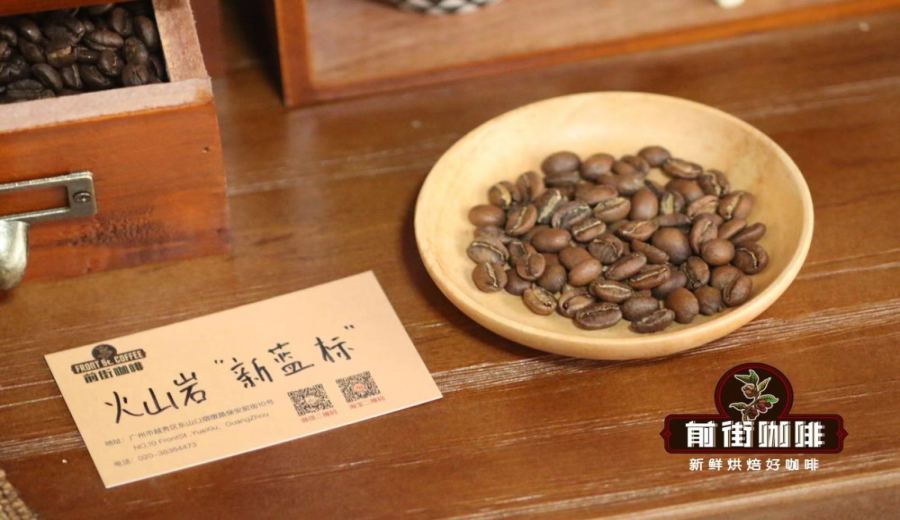
Blue Label Geisha originates from the slopes of Barú Mountain in western Panama, at an altitude of approximately 1,450 meters, and comes from the renowned Hacienda La Esmeralda. It is meticulously processed using the washed method and holds the green Rainforest Alliance certification. Typically roasted to a light City Roast level, it showcases the delicate and layered flavors inherent in Geisha.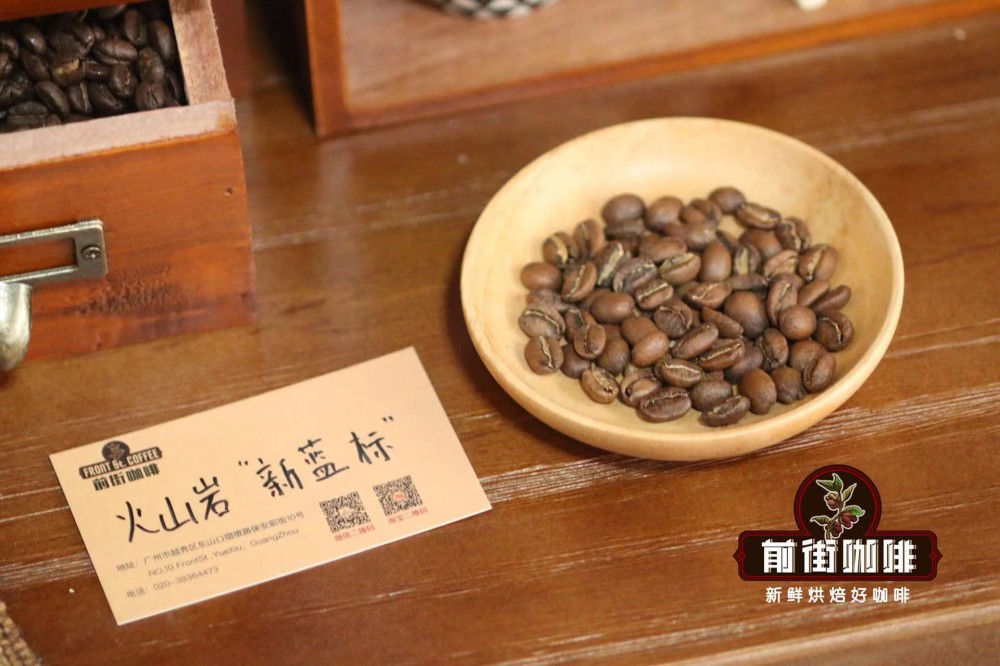
Jade Mountain Estate employs a rigorous grading system for its coffee beans, categorizing all products into five main brands based on cupping results, variety, and growing plot. Among these, the Geisha variety alone accounts for three brands: the top-tier Jade Special Selection (Red Label), the Private Collection series (Green Label), and the former Geisha 1500 (Blue Label, now discontinued). Additionally, the Catuai variety is divided between the Diamond Mountain and Pamela brands. This finely detailed classification gives Jade Mountain Estate a distinctive market strategy and makes it easier for consumers to choose the right grade of coffee based on their preferences.
When it comes to top-tier recommendations among Panamanian Geisha coffees, the Jade Red Label Geisha stands out. Sourced from high-altitude regions between 1,600 and 1,800 meters, these beans often score above 90 points in cupping tests and come primarily from prestigious micro-lots such as Jaramillo and Cañas Verdes. Red Label Geisha is exclusively available through the estate’s independent auction and is sourced from specific auction lots. However, non-auction versions of the Red Label are also available on the market. Though not part of the auction, these beans come from the same high-quality plots and offer a more affordable price point. Red Label Geisha is typically processed via natural sun-drying or the washed method, with flavor profiles dominated by bright floral notes and citrus tones, showcasing exceptional purity and complexity.
For consumers who seek a high-flavor experience but prefer options outside the auction system, a Panamanian Jade Red Label Geisha is a worthwhile consideration. Grown in the Boquete region at around 1,700 meters and processed using the natural method, its flavor profile includes citrus, complex fruits, rose tea, and honey. It’s well-suited for coffee lovers who enjoy bright acidity and floral notes.
If you’re looking for a high cost-performance ratio Geisha experience, the Jade Green Label Geisha is an excellent choice. Also known as the Private Collection series, the Green Label is not part of the auction batches but still uses micro-lot blends sourced from altitudes of 1,600 to 1,800 meters, covering areas such as Jaramillo and Cañas Verdes. Since it’s a blended product, the specific plot information for the Green Label is less transparent than that of the Red Label, which may result in slight variations in flavor between batches. Nonetheless, it consistently delivers the classic Geisha traits of floral and fruity aromas, bright citrus acidity, and a rich mouthfeel. The Green Label is usually washed processed, offers great value, and is a daily favorite among many coffee aficionados.
For beginners just beginning to explore the world of Geisha, if you’re concerned about potential brewing mishaps with higher-priced Geisha beans, an entry-level Boquete Geisha is a great option. This bean combines many of the key characteristics of the Geisha variety and, through medium-light roasting, presents delicate aromas and balanced flavors. After brewing, layers of jasmine, citrus, cantaloupe, honey, and green tea unfold gradually, making it an approachable choice for getting to know high-quality Panamanian Geisha.
For brewing recommendations, lightly roasted Geisha is well-suited to the pour over method. A recommended brew ratio is 1:15 to 1:16, with a water temperature of about 90–93°C and a grind size in the medium-fine to fine range (similar to fine sugar or slightly finer). Using the three-pour method allows for more stable flavor extraction and helps avoid over-extraction or excessive acidity. Regardless of which grade of Geisha you choose, appropriate brewing parameters and careful preparation are key to bringing out its unique characteristics.
The above content is compiled by CoffeeHunters, a coffee news website.


