







Introduction:An in-depth exploration of Mandheling coffee beans from Indonesia's Sumatra Lintong region, covering everything from the growing environment and wet-hulling processing characteristics to classic flavor profiles and key pour-over brewing parameters. This article also compares the flavor profiles of "Two Lakes, Two Mandhelings" from Lake Toba and Lake Towuti, and introduces the differences of the premium PWN Gold Mandheling. Finally, practical pour-over settings are provided to help you fully showcase Mandheling's richness and complexity.
In the landscape of Asia’s specialty coffee, the Lintong region of Sumatra, Indonesia holds a pivotal position—especially its locally produced Mandheling coffee, which enjoys high global acclaim for its full-bodied, richly aromatic taste. This article offers a comprehensive analysis of Indonesian Lintong Mandheling, breaking down the mystery of this classic coffee step by step—from the country of origin, grading standards, regional geography, the traditional wet-hulling process used, to its growing altitude and complete flavor expression. It will also guide you through the similarities and differences between the “Two Lakes, Two Mandhelings” from Lake Toba and Lake Towuti, and briefly introduce the higher-tiered Gold Mandheling and its distinctive features.
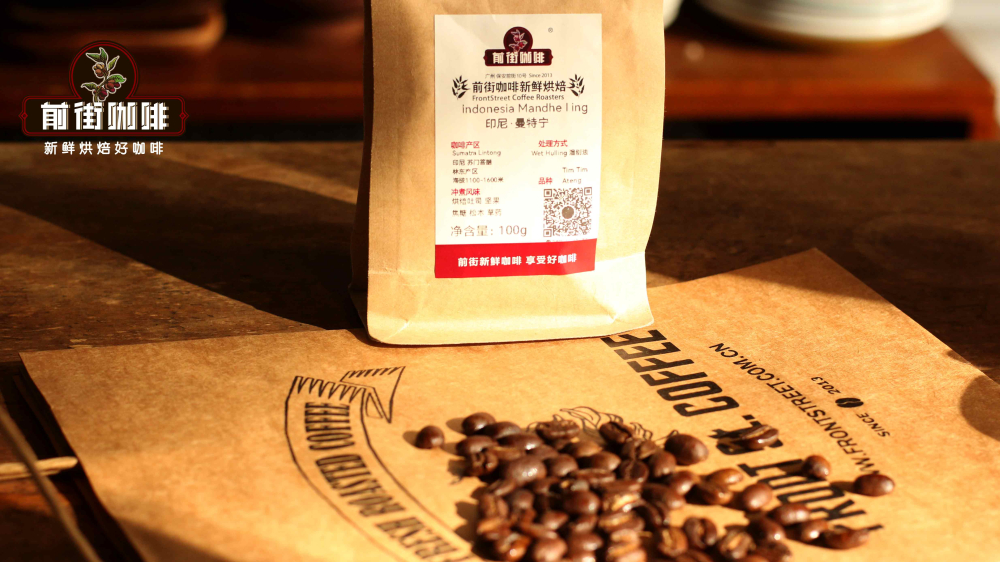
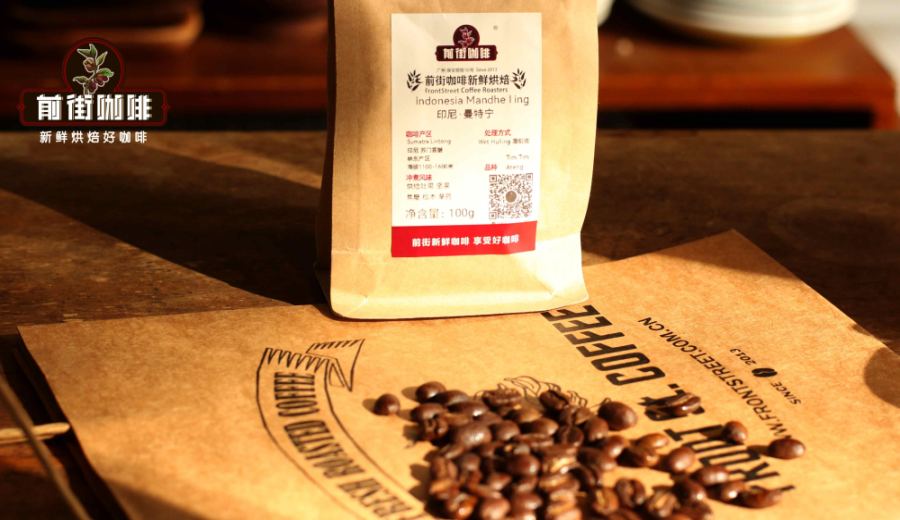
Here is the basic information on Indonesian Lintong Mandheling: it is produced in the Lintong area of Sumatra, Indonesia, classified as G1 grade and has undergone three rigorous hand-sorting processes to ensure bean quality. The green beans are processed using the local, traditional, and unique wet-hulling method, which preserves rich flavor compounds while imparting a fuller body to the coffee. The growing altitude ranges between 1100 to 1600 meters, considered mid-to-high elevation, which helps coffee cherries ripen slowly and accumulate more flavors. In terms of flavor profile, Lintong Mandheling often exhibits a distinct roasted toast note, accompanied by almond, pine, caramel, and subtle herbal aromas. The overall flavor profile is bold and layered, making it highly suitable for coffee drinkers who enjoy intense flavors.
When talking about Sumatran Mandheling, one cannot overlook the “Two Lakes, Two Mandhelings”—referring to two classic Mandheling coffees produced respectively around Lake Toba and Lake Towuti. Both regions are located on the island of Sumatra, but due to differences in terrain, microclimate, and processing details, each has developed its own unique flavor expression. Mandheling from the Lake Toba region, such as Lintong Mandheling, usually displays a deeper, more muted aroma with sometimes an earthy, herbaceous nuance reminiscent of grass jelly, overall presenting a steady and reserved style. In contrast, Lake Towuti Mandheling shows brighter fruit acidity, a fresher aroma, and occasionally hints of cedar or light woody notes, resulting in a relatively crisper mouthfeel. If you prefer the bold and steady flavors typical of Asian coffees, Lintong Mandheling from Lake Toba is a classic choice.
For those seeking a higher-tier Mandheling experience, look out for PWN Gold Mandheling. This coffee is not a house brand but is carefully selected and produced by Indonesia’s Pwani Coffee Company, which also registered the name “Gold Mandheling.” Therefore, the true Gold Mandheling on the market generally refers to this premium lot produced by that company. Compared to regular Lintong Mandheling, PWN Gold Mandheling offers a richer and more full-bodied taste, along with higher clarity. Although some high-quality Mandheling coffees have gradually approached its level thanks to advancements in cultivation and post-harvest techniques, Gold Mandheling still maintains its unique sense of refinement and depth of layers.
It is worth mentioning that the appearance of Indonesian Mandheling green beans is often less visually appealing compared to beans from other regions—the beans may be irregular in shape or have a slightly defective look. However, after proper roasting, the roasted beans typically display a uniform, plump color with a compact and glossy texture. This serves as a reminder that judging a coffee bean solely on appearance can be misleading—proper processing and roasting can often unlock astonishing potential.
Suggested pour-over parameters for Lintong Mandheling are as follows: use 15 grams of coffee grounds with a medium grind size (e.g., small Fuji Kyocera burr grinder set at approximately 4), and opt for a KONO filter to help stabilize extraction and bring out a full-bodied taste. Control the water temperature between 86 to 88 degrees Celsius. Start with a 30-gram bloom for 30 seconds to awaken the coffee grounds. Then continue pouring until the total water volume reaches 105 grams, then pause to allow the coffee bed to drain down to about half. Slowly pour again until the total extraction volume reaches 225 grams, achieving a 1:15 coffee-to-water ratio. The entire extraction process is recommended to take around 2 minutes. These parameter settings effectively highlight Lintong Mandheling’s almond, caramel, and woody notes while maintaining balanced flavors.
Finally, regarding the origin of the name “Mandheling,” it actually stems from a small anecdote during World War II. At that time, when Japanese troops occupied Indonesia, a Japanese soldier tasted a richly aromatic coffee in a café and curiously asked the shop owner for the name of the coffee. Due to a language misunderstanding, the shop owner thought the soldier was asking “where are you from?” and answered “Mandheling” (meaning Mandailing, referring to northern Sumatran residents). After the war, the soldier recalled the delicious coffee he had enjoyed and contacted an Indonesian coffee trader under the name “Mandheling,” importing 15 tons of coffee beans to Japan. The coffee became hugely popular, and the name “Mandheling” has since been passed down as a synonym for Sumatran coffee.
The above content is compiled by CoffeeHunters, a coffee news website.


