







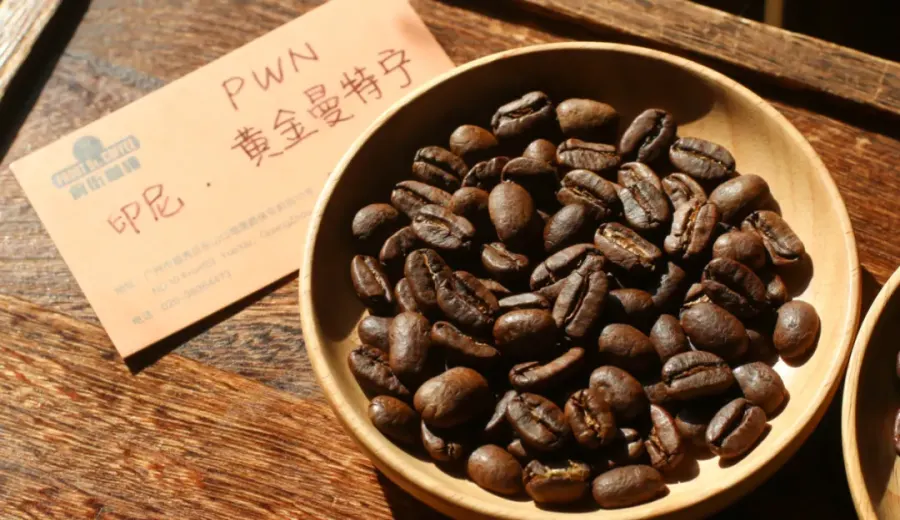
Introduction:Indonesia’s Sumatra PWN Golden Mandheling is renowned for its unique wet-hulled processing method and rigorous five-step screening process. This article details the regional background and bean variety characteristics of this classic coffee, explores the sweet herbal, cinnamon spice, and creamy chocolate notes presented through medium-dark roasting, and delves into the development history of wet hulling and the transformational qualities of aged versions. It also explains the origin of the name "Golden Mandheling" and how PWN has shaped its market position through strict quality control.
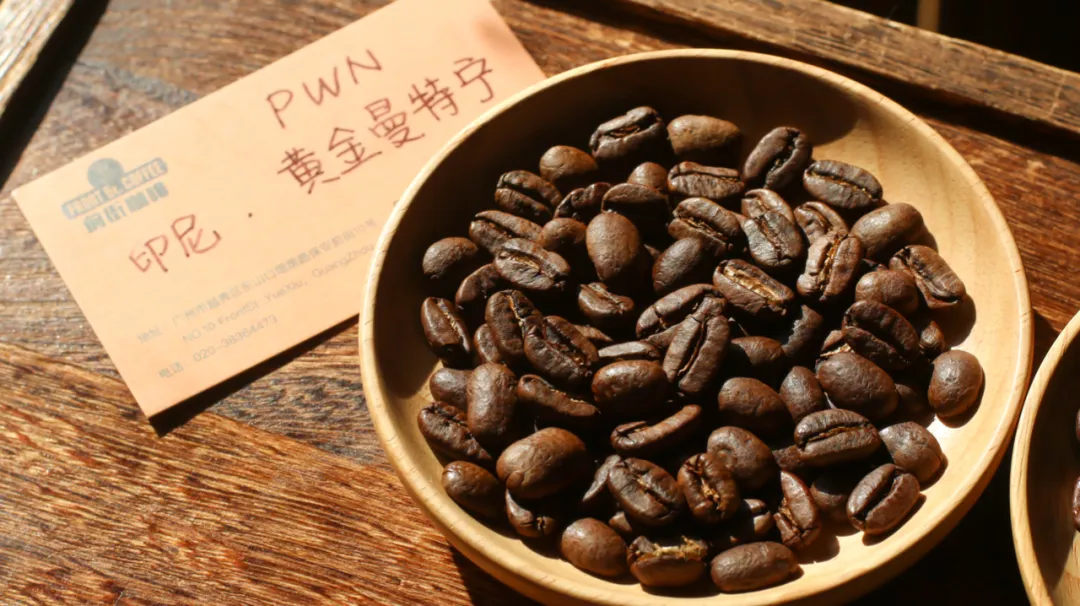
Among the many fine coffees of Indonesia, PWN Golden Mandheling is undoubtedly one of the most iconic classics. Sourced from the Gayo region of Sumatra and grown at an altitude of around 1600 meters using the local TimTim or Ateng variety, this coffee is medium-dark roasted to showcase its rich complexity. Take a sip, and you’ll notice distinct sweet herbal and cinnamon spice aromas, accompanied by the freshness of orange peel and the richness of creamy walnut chocolate. The acidity is restrained and soft, and as the temperature drops, the herbal and subtle spice notes become even more pronounced, with a lingering finish of intense sweetness.
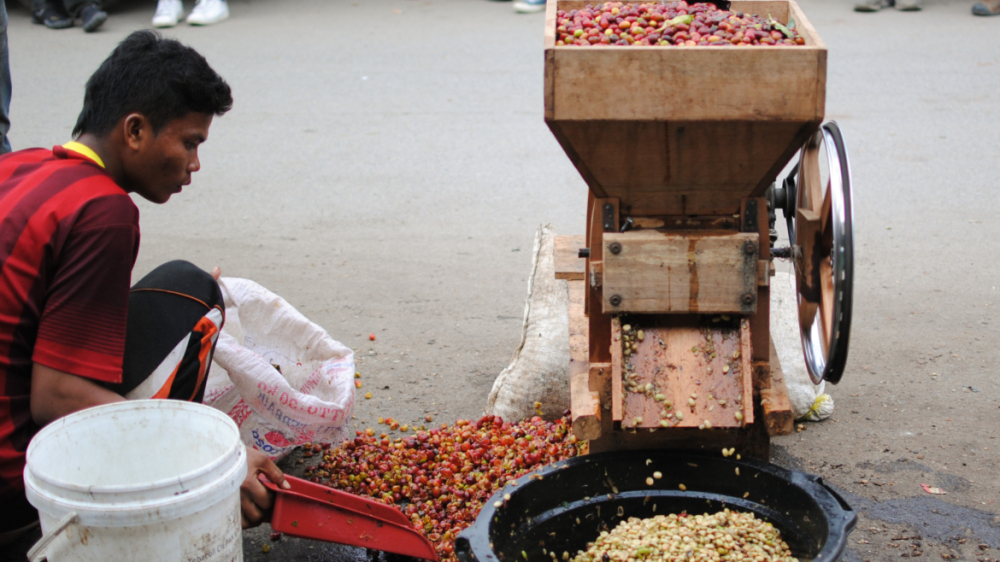
To understand the unique flavors of PWN Golden Mandheling, one cannot overlook Sumatra’s distinctive “wet hulling” processing method. This technique originated from the region’s year-round rainy and humid climate, where traditional sun-drying and washed methods were difficult to implement. Wet hulling mainly consists of two stages: first, a wooden depulper removes the skin and pulp, followed by a 3-hour fermentation and initial drying to reduce the moisture content to 30%–50%, leaving the beans in a semi-dry state; then the mucilage and parchment layers are removed, and the beans continue to dry for 2 to 4 days until the moisture stabilizes at 12%–13%. This method not only speeds up the drying process but also imparts a rich and bold unique flavor to the beans.
In addition to standard wet hulling, there is also an “aged wet hulling” version on the market. This process involves sealing the preliminarily processed beans in a ventilated, cool warehouse for 2 to 3 years, with regular turning to prevent mold. The extended storage period allows the acidity to gradually transform into sweetness, while the bean color shifts from light to yellowish-brown or dark brown, resulting in a deeper and more complex flavor profile. Some brands’ aged Mandheling offerings are crafted using this very method.
So, what exactly is “Golden Mandheling”? This premium bean, launched by the well-known Indonesian green coffee supplier Pawani Coffee Company (abbreviated as PWN), is famed for its extreme screening system. During processing, the green beans undergo one machine-based density and color sorting, followed by four rounds of manual hand selection, ensuring that every bean meets extremely high standards in appearance, size, and defect rate. It is reported that PWN requires bean size to be 18 mesh or larger, with no more than 3 defective beans per 300 grams of green coffee, and completely eliminates the so-called “elephant ear beans” produced during the wet hulling process. This strict control not only enhances the visual consistency of the beans but also directly impacts the cleanliness and flavor expression during brewing.
Interestingly, the name “Golden Mandheling” originated from a historical misunderstanding. During World War II, Japanese soldiers in Indonesia tasted high-quality local coffee and couldn’t forget it. After returning home, they sought the same beans through traders. The local shopkeeper mistakenly thought they were asking about the place of origin and answered “Mandailing,” which, due to a language miscommunication, became today’s “Mandheling.” The farmer who provided the coffee was none other than the founder of PWN. Not only is PWN the legitimate holder of the “Golden Mandheling” trademark, but its Golden Mandheling is also regarded as the market benchmark due to its stringent screening. Many commercially available coffees labeled “Golden Mandheling,” though they may use G1 grade beans and some screening steps, often stop at coarse selection and fail to achieve the refinement of PWN’s five-tier screening.
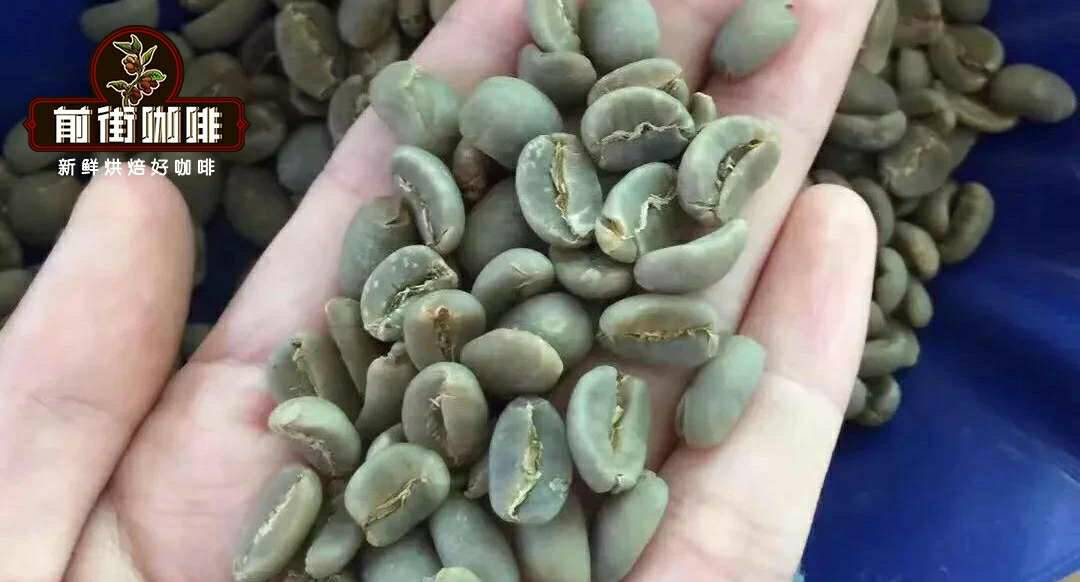
In actual cuppings, even when appearances are similar, PWN Golden Mandheling clearly outperforms in terms of cleanliness and flavor consistency. Many professional baristas can easily identify PWN’s beans in blind tastings, thanks to its comprehensive quality control process—from density and color sorting to multiple rounds of manual selection. For coffee enthusiasts, choosing truly rigorously screened PWN Golden Mandheling not only allows you to experience the unique charm of Sumatra’s wet hulling method but also enjoy a high-quality coffee with distinct flavor layers and a long, satisfying aftertaste.
The above content is compiled by CoffeeHunters, a coffee news website.


