







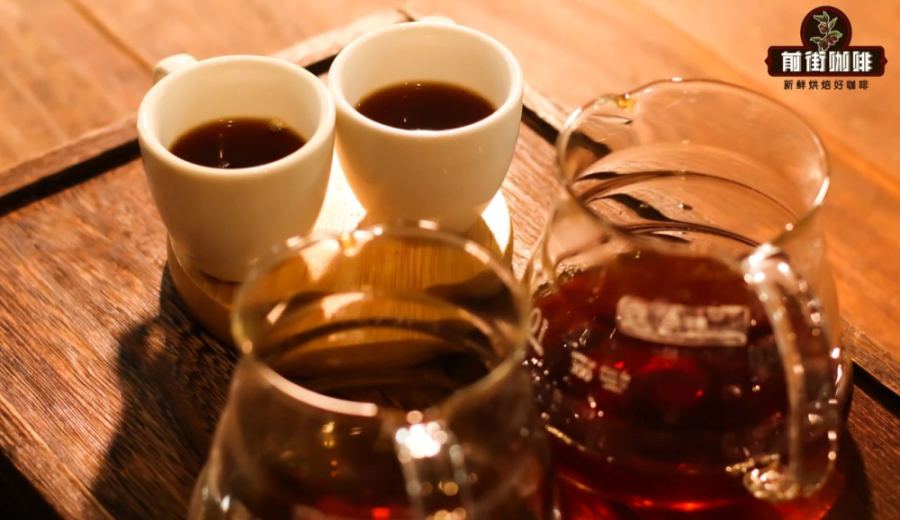
Introduction:Tasting coffee isn’t difficult—if you master the scientific approach, you can deeply appreciate its charm. This article uses Indonesia’s PWN Golden Mandheling as an example to guide you step-by-step through the professional tasting process: aroma, taste, flavor, mouthfeel, and aftertaste. Not only does it introduce the strict selection criteria and grading system of this classic Mandheling, but it also provides clear sensory descriptions to help you discern the transition from hazelnut dry notes to dark chocolate, building a systematic coffee-tasting ability.
The key to enjoying a high-quality cup of coffee lies in a systematic method. This article will lead readers through five core steps—aroma, taste, flavor, mouthfeel, and aftertaste—to master professional tasting techniques, using Indonesia’s PWN Golden Mandheling as a case study to deeply analyze its unique flavor profile and precise grade control.
Many people assume coffee tasting is out of reach, but in reality, familiarizing yourself with a logically clear evaluation process allows you to assess a coffee’s performance in an organized way. Moreover, translating sensory experiences into specific descriptions helps effectively communicate and document personal impressions. Now, let’s start with aroma and uncover the mysteries of coffee step by step.
Step 1: Aroma
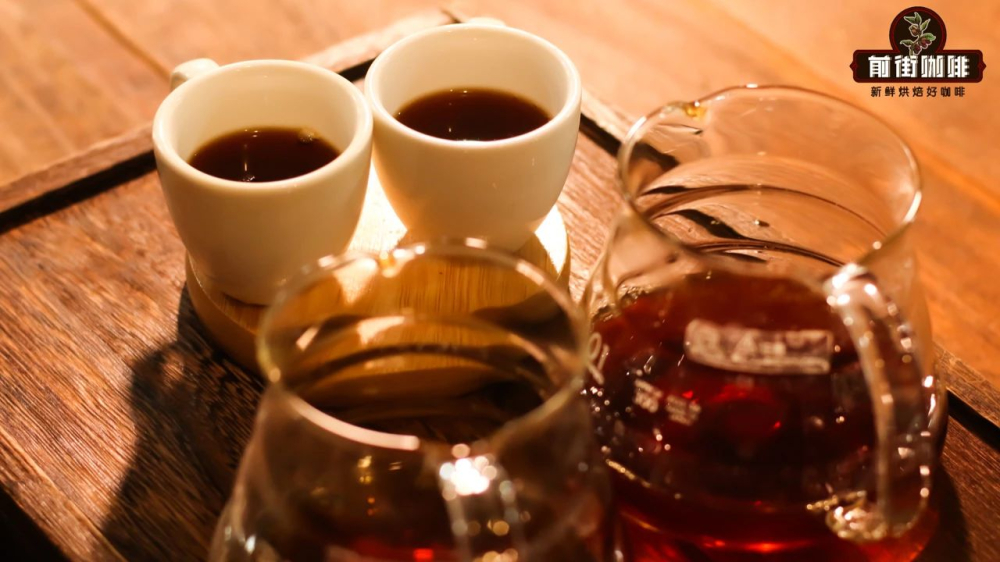
The aromas of coffee come from the complex compounds produced during roasting, which are released abundantly when ground. Therefore, the starting point of tasting isn’t brewing—it’s the moment of grinding. We use our orthonasal olfaction to actively inhale the aroma molecules in the air, which is what we call “aroma.”
Aroma is divided into two stages: the first isdry aroma,which is the rich scent emitted by coffee grounds before water is added. At this stage, the fragrance is most intense. The second iswet aroma,the scent released when coffee grounds come into contact with hot water. Although the overall intensity of wet aroma is lower, it often reveals more delicate aromatic characteristics, helping identify different layers of fragrance.
Generally, medium to light roasts tend to emit fresh notes like flowers and fruits, while medium to dark roasts often showcase richer profiles such as caramel, spices, or chocolate. After observing the type of aroma, you can pair it with descriptive words like “rich” or “delicate” to create more vivid imagery.
Step 2: Taste
Next comes the most essential part of coffee tasting—drinking. We perceive coffee through three sensory dimensions, starting with taste. Humans can identify the four basic tastes in coffee: sour, sweet, bitter, and salty.
But the focus isn’t just on detecting their presence—it’s also about evaluating their intensity and quality. Take acidity, for example. The industry categorizes it as “acidity quality,” where good acidity is often described as bright, lively, and smooth, delivering a pleasant drinking experience. In contrast, poor acidity may taste sharp, harsh, or even flat, significantly affecting the overall mouthfeel.
Step 3: Flavor
Flavor is the most captivating yet challenging aspect of specialty coffee tasting. This step requires us to combine olfactory and taste sensations, associating them with everyday foods or scents, such as fruits, nuts, or spices.
Many coffee enthusiasts get stuck when describing flavors because they lack specific associations. If you can identify citrus flavors and perceive bright acidity, you might describe it as “bright citrus acidity” to make the sensation more concrete. If you’re not yet familiar with flavor perception, it’s recommended to refer to flavor-training resources to gradually build a sensory memory map.
Step 4: Mouthfeel
Mouthfeel refers to the tactile and textural experience of coffee in the mouth, often described by the term “body,” which indicates its richness. Simply put, it’s the weight and fullness of coffee on the tongue.
Imagine skim milk being as thin as water, whole milk smoother and thicker, and cream extremely rich and viscous. Coffee is the same—the higher the body, the more substantial the texture feels on the tongue; the lower, the lighter. Comparing the mouthfeel of different beverages can help you intuitively understand the richness of coffee.
Step 5: Aftertaste
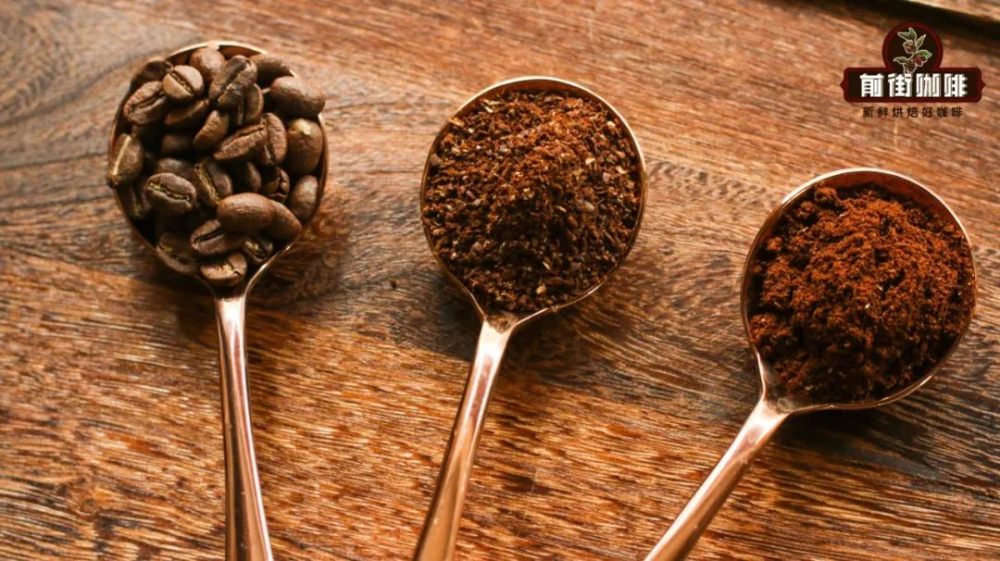
Finally, after swallowing the coffee, there’s one more crucial element—aftertaste, which is the lingering aroma and taste in the mouth post-swallowing. This is mainly captured by retronasal olfaction, originating from aromatic molecules slowly released by residual oils.
Good aftertaste typically lasts longer, up to ten seconds or more, and presents positive flavor notes such as delicate floral tones, honey sweetness, or tea-like nuances. Poor aftertaste, on the other hand, may be brief or carry unpleasant sensations like dryness or bitterness. Observing the duration and quality of aftertaste helps further confirm the coffee’s extraction completeness and overall balance.
Tasting Indonesia’s PWN Golden Mandheling
When it comes to classic Indonesian Mandheling, PWN’s Golden Mandheling is the benchmark. To protect its brand value, PWN has registered the trademark “Golden Mandheling,” and only its specific grade of Mandheling is permitted to use this name in the market.
The PWN Golden Mandheling sourced by this vendor is made from rigorously selected G1-grade green beans, with no more than three defective beans per 300g sample, and bean size all reaching 18 mesh or above. The green beans undergo machine screening and three rounds of manual sorting to ensure uniformity in size, shape, and color, thereby enhancing consistency and purity during brewing.
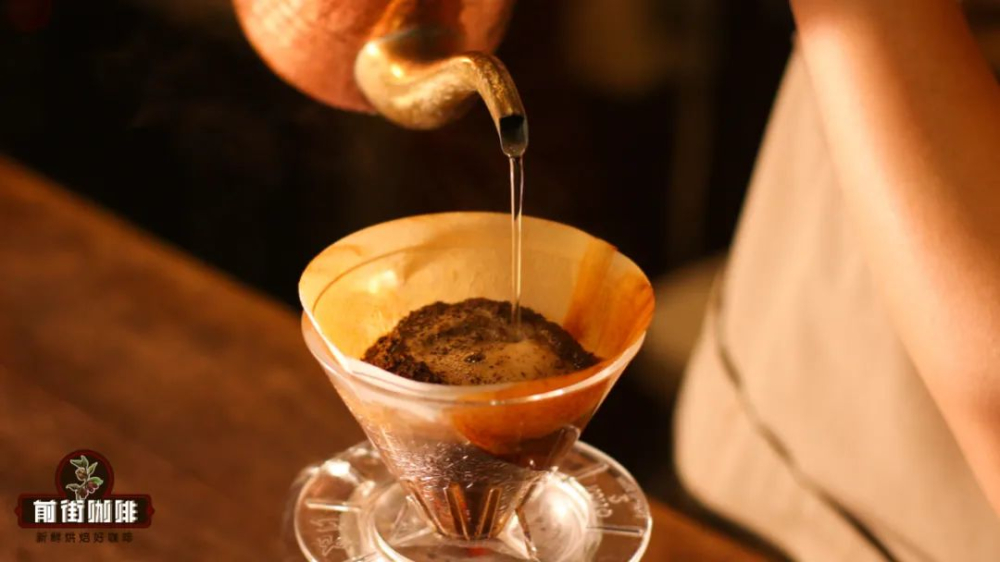
This stringent quality control results in PWN Golden Mandheling that tastes clean and bright, with both richness and sweetness. Just after grinding, you can smell its intense roasted hazelnut aroma, and the caramel notes become especially prominent during blooming. Upon tasting, it reveals layered flavors of dark chocolate, nuts, caramel, and sweet fruit. As the temperature cools, spicy notes gradually emerge. The finish is long-lasting and well-balanced, with a rich and captivating flavor profile overall—a representative piece showcasing the essence of Indonesian Mandheling.
The above content is compiled by CoffeeHunters, a coffee news website.


