








Introduction:Latte coffee is not just a simple mix of espresso and milk. To brew a latte at home that is smooth in texture and layered in flavor, the key lies in selecting the right coffee beans, mastering the correct milk ratio, and understanding the standard extraction process. This article explains the true meaning of the Italian word "Latte", highlights key points in bean selection, and provides practical ratios and operational tips to help you consistently make professional-level lattes that rival those from coffee shops.
The term "latte coffee" (Caffe Latte) literally means "milk coffee" in Italian. However, if you walk into an Italian café and simply order a "Latte", you’ll usually get a glass of plain milk. To ensure you get the authentic latte—a combination of milk and espresso—you must specifically ask for a "Caffe Latte". In Taiwan or among overseas Chinese communities, the term "latte" has long come to mean the combination of espresso and milk, with flavors characterized by the interplay of aroma and texture in layers.
Replicating a delicious latte at home is actually not as difficult as it may seem, as long as you master three core elements: first, choosing an espresso bean suitable for extraction; second, selecting milk that complements the coffee's flavor; and third, controlling the golden ratio between coffee and milk. This article will delve into the characteristics of various espresso blends, analyzing their flavor profiles and ideal usage scenarios, while also explaining the principles of milk selection and offering specific brewing and proportioning suggestions—so you can consistently make a latte with balanced milk and coffee aromas and a smooth, velvety texture.

First, it’s important to clarify that the "Latte" in "Caffe Latte" simply means milk. Therefore, if you only say "Latte" in Italian, the barista will hand you a glass of plain milk, not the coffee-milk blend you might be expecting. The correct way to order is to say "Caffe Latte", which will get you the classic latte consisting of an espresso base topped with steamed milk. In Taiwan, whenever someone mentions a latte, almost everyone thinks of this milk-and-coffee fusion drink, which features distinct layers of flavor: starting with the bold intensity of coffee, transitioning through slight bitterness into the gentle sweetness of milk, and often ending with a subtle caramel aftertaste that keeps you coming back for more.
To make such a memorable latte, choosing the right coffee beans is the first step. There are many types of espresso beans on the market, and beginners can improve their chances of success by focusing on the following three aspects:
1. Freshness of the coffee beans
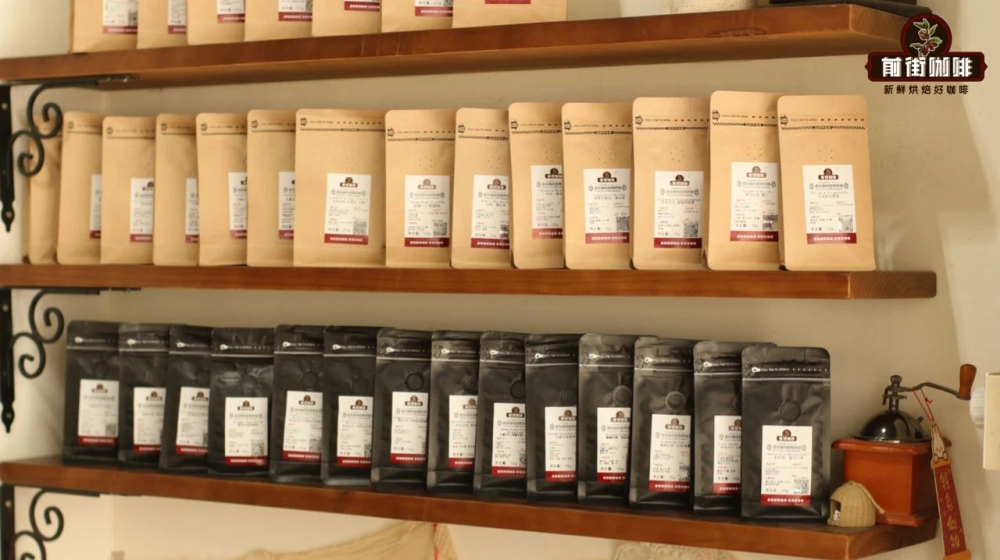
Once coffee beans are ground into powder, their volatile aromatic compounds begin to dissipate rapidly. Even under ideal storage conditions, it’s impossible to prevent the natural decline in fragrance. Therefore, the roast date and storage condition of the beans are crucial. It’s recommended to choose products that are shipped within five days of roasting and are well-packaged, to ensure they still retain rich aroma and freshness when brewed.
2. Roast level and flavor profile
To achieve stable extraction and create a rich crema, it’s recommended to prioritize medium-dark or darker roastedespresso blends. Blended beans typically combine coffees from different regions to achieve a more balanced and oily mouthfeel, making them highly suitable for milk-based coffee drinks like lattes. The espresso extracted from these beans usually has a solid body and easily harmonizes with milk in terms of flavor.

For example, some blends combine the nutty notes of Brazilian beans, the herbal and woody aromas of Indonesian beans, and the oiliness provided by Vietnamese or Robusta varieties. The fusion of these elements gives the espresso rich layers such as dark chocolate, roasted hazelnuts, malt, and cocoa biscuits. Whether used for Americano or latte, it delivers consistent flavor performance.
Additionally, if you want to explore more distinctive flavors, you might consider choosingsingle-origin espresso beans (SOE, Single Origin Espresso). These beans emphasize the unique terroir characteristics of their origin, showcasing clearer fruit, spice, or sweetness profiles. For instance, certain SOEs of the Yellow Bourbon variety may exhibit pronounced roasted nut, caramel, and buttery-smooth textures, making them ideal for detail-oriented latte preparation.
3. Milk selection
Milk plays a key role in lattes; its fat content and protein structure both affect the fineness of the foam and the overall balance of the drink’s texture. Whole fresh milk is the most common choice, but with so many brands available, some have a rich milky taste while others are more subdued. It’s recommended to try a few options based on personal taste preference to find the one that best matches your coffee beans. Overly rich milk flavors may mask the aroma of the coffee, while too light a milk can make the overall flavor feel weak.
In the standard method for making a latte, it’s recommended to use 20 grams of coffee grounds to extract about 40 grams of espresso, with an extraction time controlled between 25 to 33 seconds. This achieves a coffee base that balances acidity and sweetness with a good body. When making an iced latte, a common combination is: 40 grams of espresso, 200 milliliters of fresh milk, and 75 grams of ice. This combination helps the cold drink maintain good textural layers without having the coffee’s flavor diluted by too much ice.
In summary, crafting a satisfying latte isn’t complicated—the key lies in understanding the interactions at each step: from bean selection and interpreting roast flavors, to balancing the proportions of milk and coffee. Once you master these basic elements, you too can easily brew a professional-level latte at home with clear layers and a balanced harmony of milk and coffee aromas.
The above content is compiled by CoffeeHunters, a coffee news website.


