







Introduction:Kenyan coffee is renowned for its bright acidity and complex layers, with PB peaberries and the SL28 variety being particular points of interest for enthusiasts. This article delves into Kenya’s coffee grading system, explores the unique origins and flavor characteristics of PB peaberries, introduces the historical background and flavor profile of the SL28 variety, and shares practical V60 pour over parameters and tasting notes through real examples — guiding you to master the brewing techniques for this classic African single origin.
For a long time, Kenyan coffee has secured its place in the global specialty coffee market thanks to its vibrant acidity and full-bodied mouthfeel. However, many consumers often have questions when making purchases, such as “What do AA and PB grades stand for?”, “What coffee variety is SL28?”, or “How should I brew to bring out the unique flavors of Kenyan coffee?” This article will start with the basics of the grading system, detail the definition and traits of PB peaberries, introduce the SL28 variety which plays a key role in shaping Kenyan flavors, and also provide actual V60 pour over parameters along with tasting descriptions to help coffee lovers gain a more comprehensive understanding of this classic bean from East Africa.
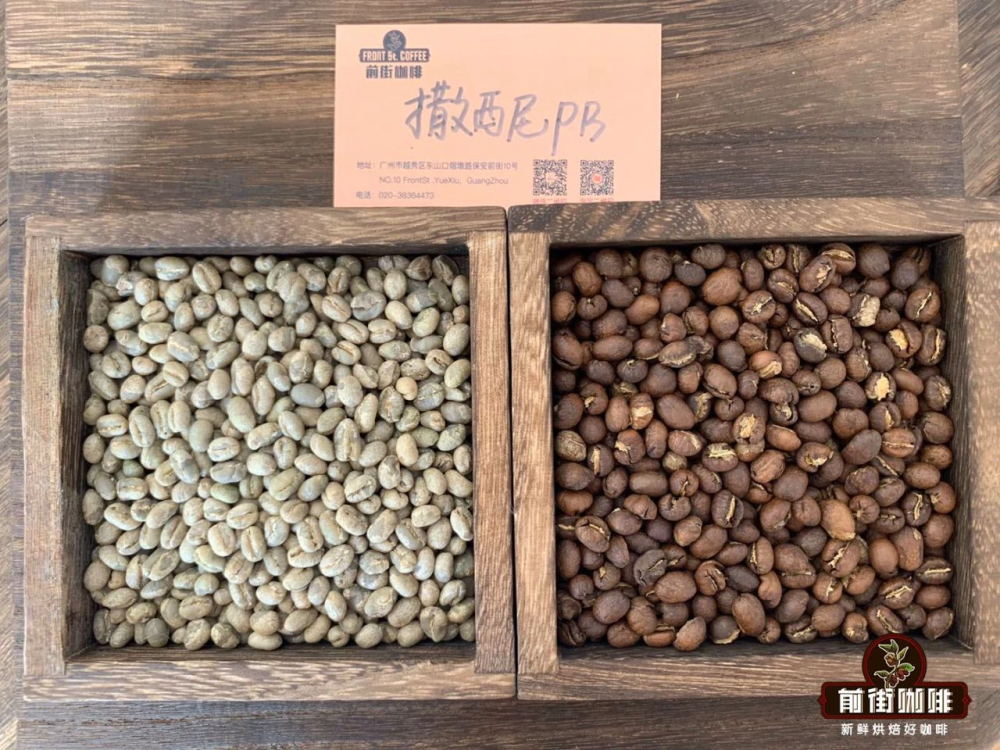
Among the many Kenyan coffee products, the labels “AA” and “PB” commonly seen on packaging are actually official Kenyan terms used to classify coffee bean grades. Here, PB stands for Peaberry, translated in Chinese as either “圓豆” or “象豆”. Typically, a coffee cherry contains two flat seeds — these are the common flat beans we often see. However, in rare cases, only one round, oval-shaped seed forms inside the fruit — this is the peaberry. Since peaberries make up a very small proportion of the overall harvest — usually less than 5% — and require careful manual selection, they are generally considered to have more stable quality and more concentrated flavors.
Take the PB peaberry produced by Kenya’s Sasanii Estate as an example. This coffee is grown at an altitude of about 1650 meters in the Kiambu region, with the SL28 variety and washed processing method. Such high-altitude cultivation environments help the coffee cherries mature slowly, accumulating richer flavor compounds. In addition to Sasanii Estate, there are plenty of other Kenyan AA-grade coffees on the market, but beyond the grade, many consumers have only a vague understanding of Kenya’s coffee grading criteria.
In fact, the grading of Kenyan coffee is primarily based on bean size (i.e., screen size), and it is divided into seven main grades: AA, AB, C, PB, TT, T, and MH|ML. Among them, AA-grade beans typically have a screen size between 17 and 18, representing the largest and most intact appearance, which is why they are highly favored in the market; AB-grade beans range from 15 to 16, being the most commonly exported grade after AA; C-grade falls between 12 and 14; E-grade, also known as elephant beans, exceed 18 in size, but such beans are relatively rare in Kenyan producing regions. Additionally, TT-grade consists of lighter beans re-sorted from AA and AB, while T-grade are lighter beans selected from C-grade. As for MH and ML, these refer to coffee cherries that have naturally fallen off when ripe or were not harvested in time — they usually exhibit more pronounced acidity and account for about 7% of Kenya’s total production, mostly supplied to the local market. Currently, the export market still mainly focuses on the AA and AB grades, with AA further subdivided into premium labels like AA+ and AA TOP. The latter often specifies the exact farm or cooperative of origin, and the flavor performance is often even more distinctive.
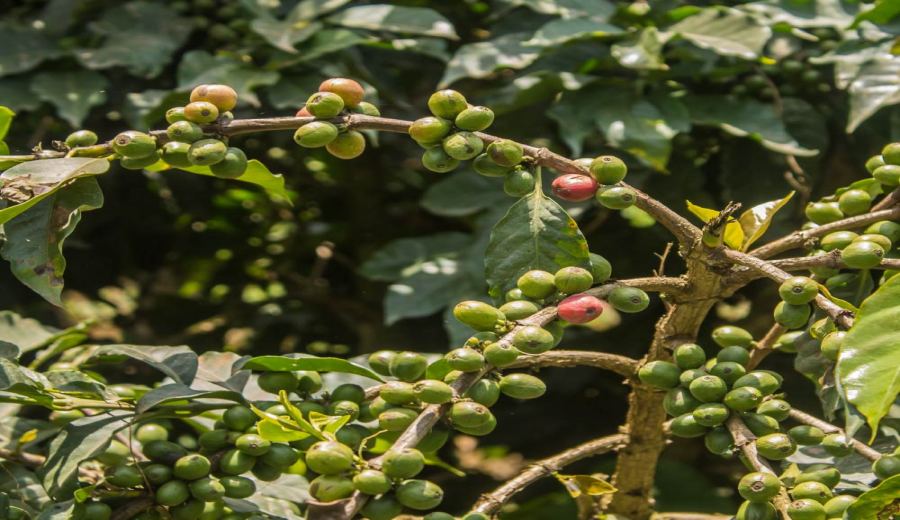
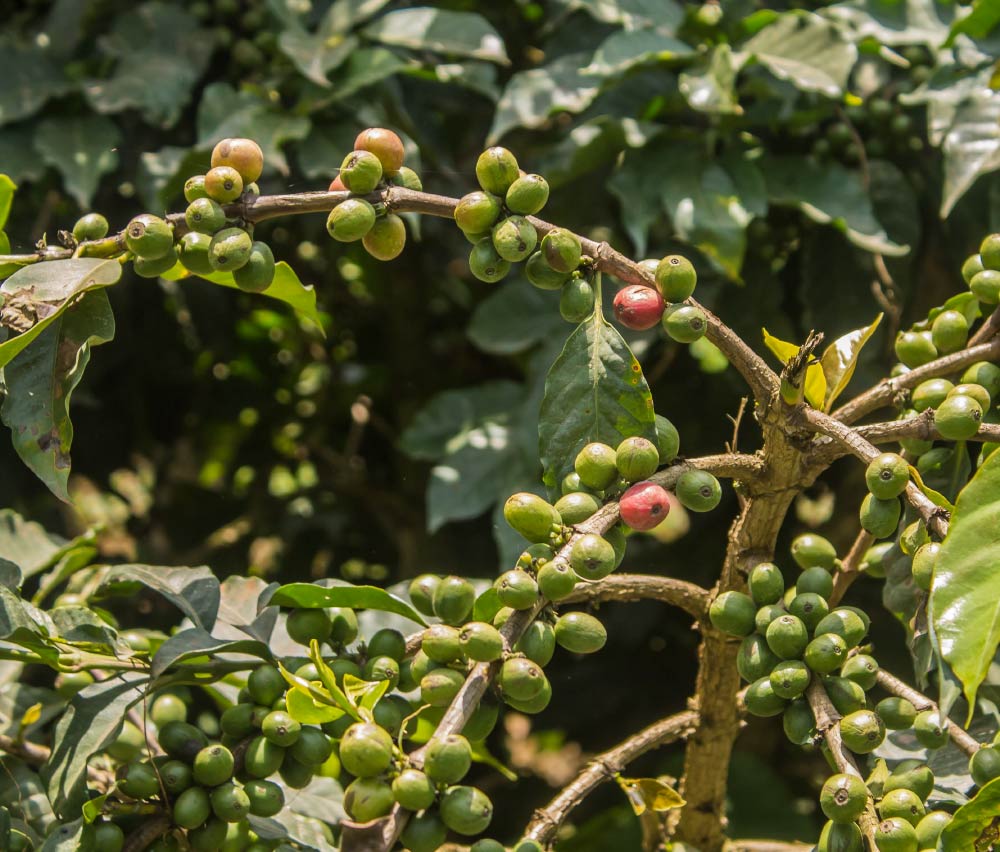
When it comes to the classic representatives of Kenyan coffee, the SL28 variety must be mentioned. Carefully cultivated by Scott Laboratories in the 1930s, this variety is a direct descendant of Bourbon, with genetics that blend traits from French Mission, Mocha, and Yemeni Typica. It was originally developed to find a coffee variety that combined disease resistance with high-quality output. Although the final yield of SL28 did not meet expectations, its leaves display a unique copper color, the beans are bean-like in shape resembling broad beans, and it offers outstanding sweetness and a layered, complex flavor profile. Common tasting notes include bright citrus tones, the sweet-and-sour layers of black plum, and a structured, full-bodied mouthfeel — all of which contribute to the uniquely distinctive style of Kenyan coffee. In addition to SL28, Scott Laboratories also developed the SL34 variety. Currently, in Kenya’s growing environment, SL34 and SL28 are the mainstream varieties, and sometimes both may appear in the same batch since some farmers do not strictly separate them during cultivation.
Coffee cultivation in Kenya is predominantly carried out by smallholder farmers and cooperatives, with producing regions mainly concentrated in highland areas at altitudes between 1400 and 2000 meters. These include Ruiri, Thika, Kirinyaga, Mt. Kenya West, Nyeri, Kiambu, and Muranga, among others. These areas are mostly located at the foothills of Mount Kenya and the Aberdare Mountains, enjoying cool climates and large diurnal temperature variations — conditions that are favorable for the slow maturation of coffee cherries and the development of their flavors. In addition, many producing regions are committed to preserving native forest ecosystems and protecting natural genetic diversity, enabling Kenyan coffee to showcase a rich and varied spectrum of flavor profiles.
For actual V60 pour over brewing, the following parameters are recommended: use a V60 dripper, control the water temperature at 91°C, set the coffee-to-water ratio at 1:15, use approximately 15 grams of coffee, and aim for a grind size equivalent to about 80% extraction through a Chinese No. 20 standard sieve (medium-fine grind). The specific brewing process is as follows: start by pouring about 30 grams of hot water for the bloom, letting it sit for around 30 seconds. Then proceed with a slow, circular pour using a small stream of water. When the total water poured reaches 125 grams, perform the first pour break. Once the water level in the dripper has dropped and is about to expose the coffee bed, pour again up to 225 grams, then stop. Finally, allow the water to completely drip through. The entire extraction process should be controlled to take about 2 minutes. This method helps fully highlight the acidity layers and aromatic complexity of Kenyan coffee.
Taking Kenyan AA-grade coffee as an example, its flavor profile typically exhibits the following characteristics: at higher temperatures, you can detect intense floral aromas and the scent of ripe tomatoes. Upon tasting, there’s a noticeable sweetness, with a caramel-like finish. As the temperature drops, the acidity becomes livelier — often featuring bright notes reminiscent of cherry tomatoes and sour plums. The overall mouthfeel is clean and refreshing, with clear layering. It’s worth noting that in recent years, due to changes in soil composition in some Kenyan producing regions, the once prominent small tomato flavor notes have shifted slightly. Overall, Kenyan coffee stands out as a classic choice for many pour over enthusiasts, cherished for its unique balance of sweetness and acidity, and its richly layered aromatics.
The above content is compiled by CoffeeHunters, a coffee news website.


