







Category: Coffee Knowledge
Ethiopia Gesha Village Gold Label Gesha Pour Over Guide: Variety Origins, Grading & Brewing Parameters
Gesha coffee is hailed as the pinnacle of specialty coffee, and the Gold Label batch from Ethiopia’s Gesha Village is among its finest. This article delves into the origins of the Gesha variety, the unique geography and rigorous grading system of Gesha Village Estate, and provides a detailed overview of the characteristics of the auction, Gold Label, Red Label, Green Label, and Chaka lots. It also offers professional pour over recommendations and practical parameters to help coffee enthusiasts fully appreciate this uniquely flavorful Gesha coffee. [more…]
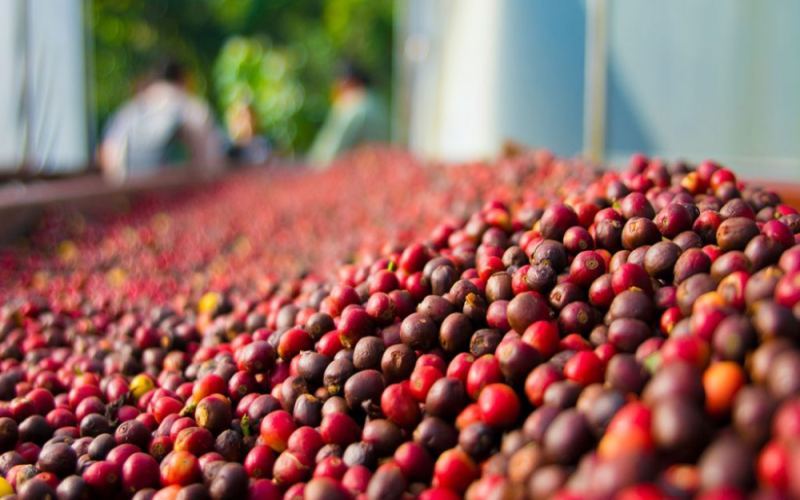
Panama Finca Geisha vs Ethiopia Gesha Village: Understanding the Grade Differences and Flavor Profiles of Red Label Geisha
Panama’s Finca Geisha Estate and Ethiopia’s Gesha Village Estate are both renowned for their Geisha variety, yet they feature distinctly different grading systems and flavor expressions. This article will delve into a detailed comparison of their auction, red label, and green label grade definitions, exploring how altitude, processing methods, and specific lots influence the flavor profile of a cup of Geisha. It will also clarify common misconceptions in selection to help coffee enthusiasts find the Geisha experience that suits them best. [more…]
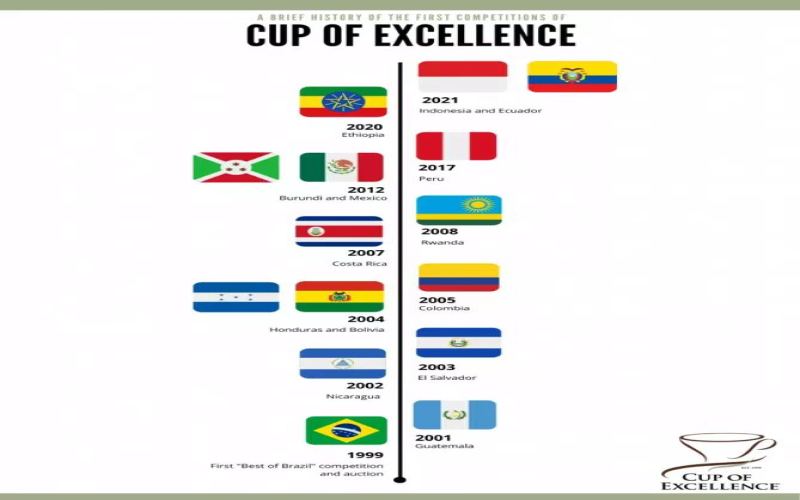
A Comprehensive Guide to SCAA, COE, and SOE: Understanding Coffee Evaluation Systems and Getting Started with Competitions
Coffee enthusiasts often hear about SCAA, COE, and SOE, but do you really understand the differences between them? This article provides an in-depth analysis of the background, scoring criteria, and operation of the Specialty Coffee Association of America (SCAA), the Cup of Excellence (COE) competition, and Single Origin Espresso (SOE). Using the 2020 Ethiopia COE competition as a case study, we’ll take you from green bean evaluation to cupping flavors, helping you grasp the selection standards and the stories behind the world’s top-tier coffees. [more…]
Flavor Analysis of Africa’s Four Premier Specialty Coffee Countries: A Complete Guide to Varieties and Processing Methods in Ethiopia, Kenya, Rwanda, and Burundi
Want to understand the unique charm of African specialty coffee? This article provides an in-depth analysis of the four major producing regions—Ethiopia, Kenya, Rwanda, and Burundi—from geographical environment, native varieties, processing techniques, to classic flavor profiles. It helps you grasp the characteristics of each origin and understand their status and evolution in the global specialty coffee market. [more…]
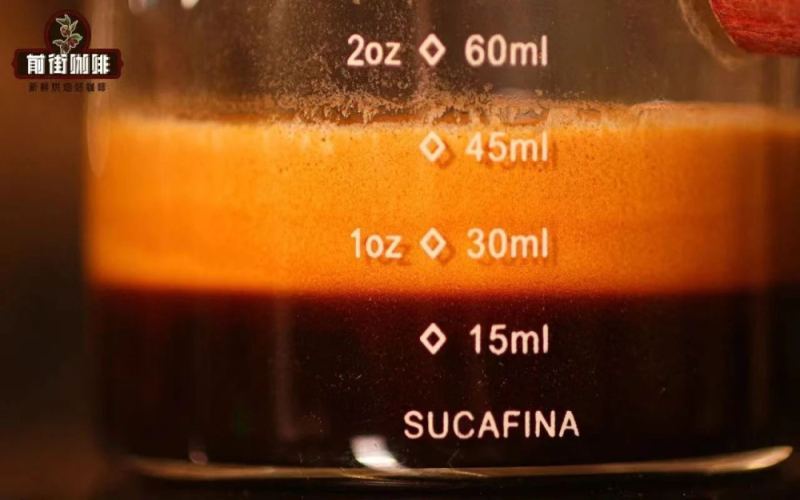
Essential Read for Opening a Coffee Shop: 5 Commercial-Grade Espresso Blends Recommended with Flavor Analysis
Whether you're opening a coffee shop or crafting refined espresso at home, choosing the right blend is key. This article delves into the principles of espresso extraction, offering practical buying guidance based on roast level, flavor balance, and bean stability. It also introduces in detail five popular commercial espresso blends—including rich and mellow, floral and fruity, nutty profiles, the same beans used by specialty cafés, and budget-friendly beginner options—to help you find the most suitable blend. [more…]
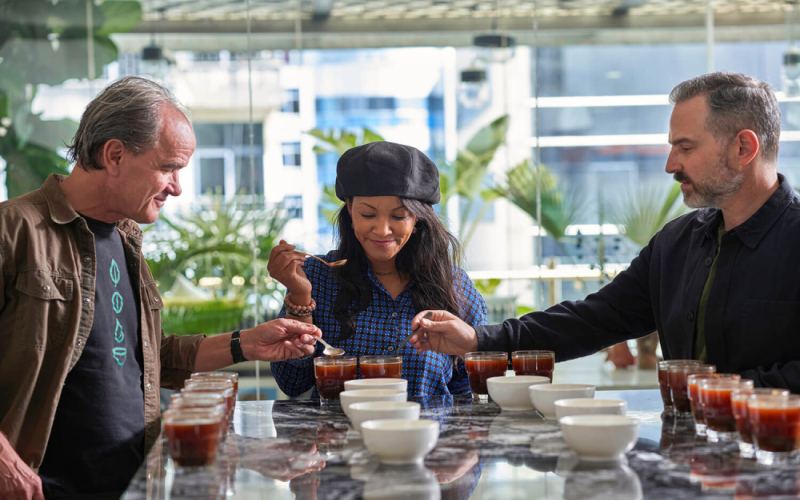
A Complete Guide to Specialty Coffee Cupping: From Dry Aroma to Aftertaste, Mastering the Key to Single-Origin Flavor Evaluation
Cupping is the core method for professionally evaluating coffee quality. Whether you're a coffee enthusiast, roaster, or trader, systematic sensory analysis can effectively identify the flavor characteristics of different origins and processing methods, and uncover a bean’s potential and flaws. This article will take you deep into the cupping process, breaking down professional terminology and practical techniques step by step—from dry aroma, wet aroma, acidity, flavor, body, to aftertaste—to help you build your own coffee tasting vocabulary. [more…]

V60#01 Dripper Pour Over Guide: Parameter Adjustments and Flavor Comparison for 10g/15g/25g Coffee Grounds
When using the same V60#01 dripper, how should extraction parameters be adjusted when the amount of coffee grounds changes from 10 grams to 25 grams? This article presents practical tests of three common coffee ground amounts for pour over brewing, analyzing water flow control, grind size selection, and final flavor profiles under different dosages. It helps you find the balance that suits your taste—whether you're brewing for one or sharing with others—so you can achieve the ideal cup every time. [more…]
A Complete Guide to Panama Geisha from Hacienda La Esmeralda: How to Choose Between Red, Green, and Blue Tags? Includes Pour Over Recommendations
Geisha coffee beans from Panama’s Hacienda La Esmeralda are world-renowned for their distinctive citrusy floral aromas. But what exactly are the differences between the Red Tag, Green Tag, and Blue Tag? This article provides an in-depth analysis of the grading criteria, growing altitudes, processing methods, flavor profiles, and recommended brewing techniques for these three premium grades—helping you make smarter choices and better enjoy this top-tier specialty coffee. [more…]
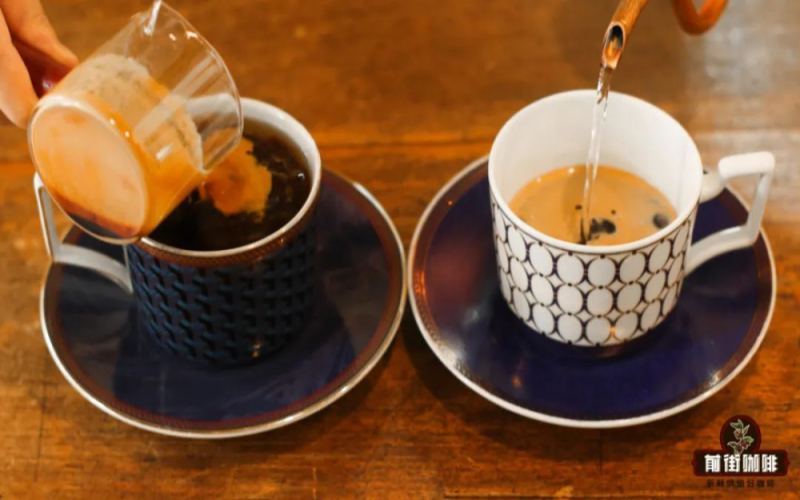
Analysis of the Differences Between Long Black Coffee and Americano: A Complete Guide to Flavor, Strength, and Brewing Order
Although both long black coffee and Americano are black coffees made by adding water to espresso, they differ significantly in brewing order, taste, strength, and cultural background. Understanding their distinctions can help you choose the type of coffee that better suits your palate, thereby enhancing your overall coffee experience. This article will delve into the key differences between long black and Americano, including brewing steps, flavor profiles, and strength ratios, along with practical tips to help you enjoy your coffee with clarity and pleasure. [more…]
How to Choose SOE Espresso? A Comprehensive Guide to Roasting & Flavor Profiles of Light-Roasted Single-Origin Beans
Have you ever seen the option “Upgrade to SOE for +3 RMB” on a coffee shop menu but weren’t sure what it meant? This article dives deep into the definition, origins, and flavor characteristics of SOE (Single Origin Espresso), exploring why it typically uses light-roasted single-origin beans and requires specially adjusted roast profiles. We also compare SOE with traditional espresso blends, helping you understand how proper roasting and extraction can bring out the unique flavor layers of single-origin coffee. [more…]
A Comprehensive Guide to Brazilian Coffee Beans: Regional Characteristics, Processing Methods, and Pour Over Blending Applications
As the world’s largest producer of Arabica coffee, Brazil plays a pivotal role in coffee blends. This article delves into the regional advantages of Brazilian coffee, explores its unique processing techniques, analyzes its flavor profile, and provides practical pour over parameters for two classic single-origin beans—helping readers master comprehensive knowledge from bean selection to brewing. [more…]

Should you drink Americano or latte when trying to lose weight? A guide to coffee calorie differences and choices
Want to drink coffee during your fat-loss period but worried about consuming too many calories? This article takes an in-depth look at the calorie differences between Americano and latte. From base recipes and milk quantities to brewing details, we’ll help you understand why lattes generally have higher calories, and provide practical brewing ratios and milk frothing tips to help you make a more suitable choice based on your goals. [more…]
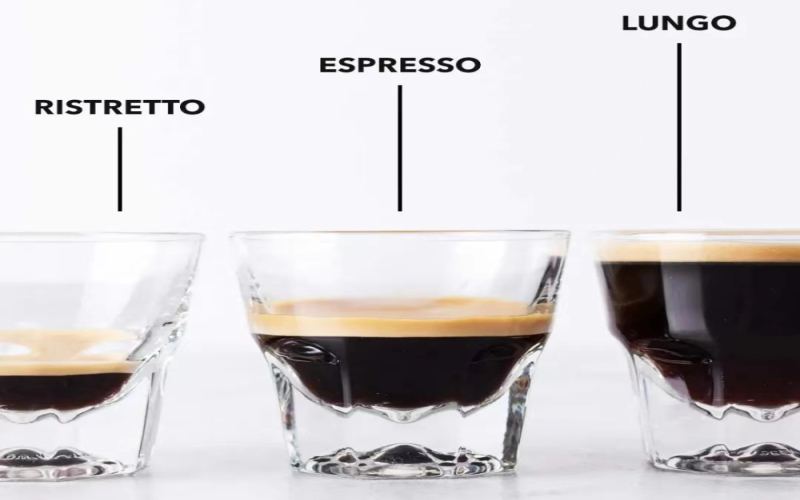
What’s the difference between Long Black, Lungo, and Americano? A complete breakdown of brewing methods and flavors
Long Black (Australian black coffee), popular in Australia and New Zealand, is often mistaken for being the same as Lungo, but in reality, their brewing logic, concentration levels, and flavor profiles are quite different. This article breaks down the differences among these three types of black coffee in detail—from caffeine content, crema thickness, espresso ratio to suitable brewing methods—providing practical reference to help you make a choice based on your taste preference. [more…]

The Four Key Factors Affecting the Flavor of Iced Americano: From Resting Period to Continuous Brewing — Are Single-Origin Beans Suitable for Iced Coffee?
Have you ever noticed that an iced Americano made from the same coffee beans can sometimes taste bright and refreshing with a pleasant acidity, while other times it comes out dull and flavorless? In fact, everything from the beans’ resting period, weather influences, bean hopper pressure, to the state of continuous brewing can subtly alter the extraction efficiency of the espresso, which in turn affects the final flavor. This article takes an in-depth look at the four key factors behind the “flavor shift” in iced Americanos and explores whether single-origin beans are suitable for making iced coffee, helping you better understand the dynamics and potential of espresso-based beverages. [more…]
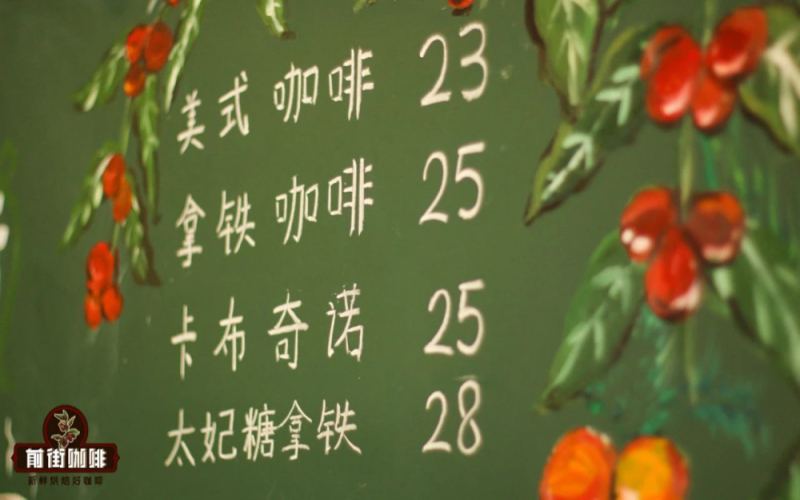
Why Korean Iced Americano Is So Popular | Exploring the Bitterness of Americano and Its Fat-Burning Potential
Korea has seen a surge in popularity for iced Americanos, sparking curiosity: Why is Americano often considered bitter and hard to drink? Is adding sugar really unprofessional? What’s its connection to weight loss? This article delves into the historical origins and evolving definition of Americano, explains the standard brewing ratio and process for iced Americano, and recommends several espresso blends perfect for home brewing—helping you master the art of making a smooth and enjoyable cup. [more…]
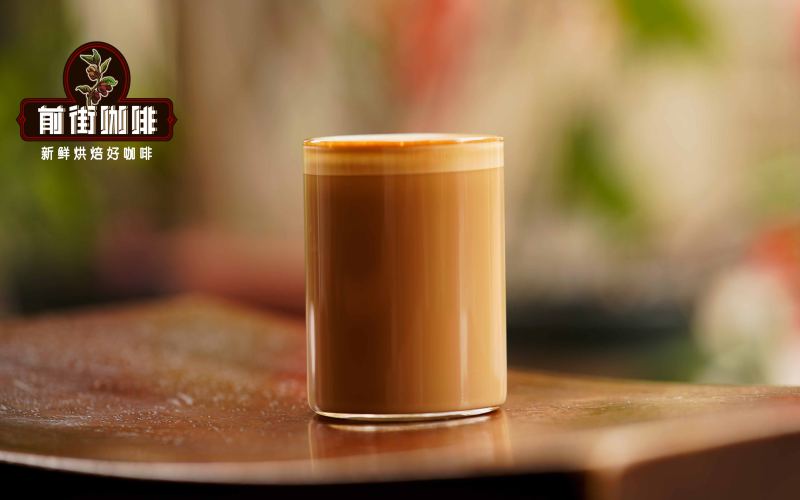
Analysis of the Differences Between Dirty and Flat White | Brewing Principles, Bean Selection, and Flavor Experience
Both Dirty and Flat White (澳白) are classic milk-based espresso drinks in the world of Italian coffee, yet they each have distinct characteristics in terms of temperature, ratio, and drinking method. This article delves into the brewing principles, milk frothing techniques, and suitable coffee bean choices for both, explaining why Dirty presents a unique layered effect while Flat White emphasizes delicate coffee flavors and a smooth mouthfeel. It helps you understand the essential differences between these two popular coffee drinks and master practical tips that you can easily try at home. [more…]
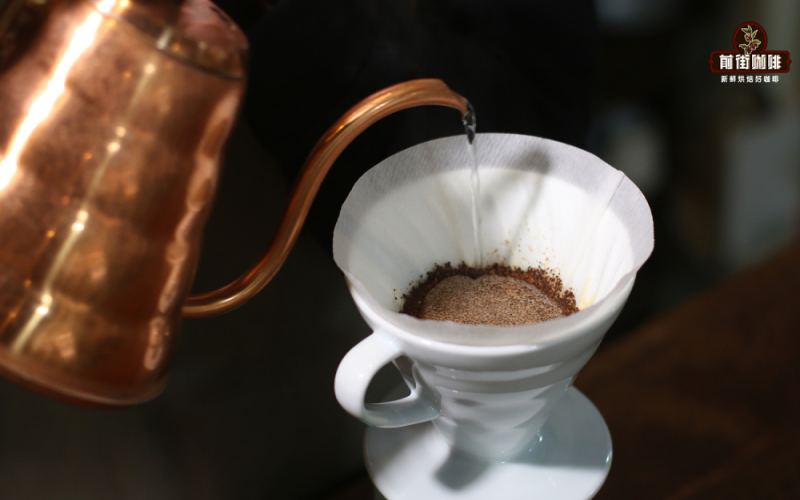
Pour Over Coffee: Coffee-to-Water Ratio Guide — How Much Water for 15g of Coffee? Practical Golden Cup Extraction Tutorial
To brew a balanced cup of pour over coffee, the key lies in mastering the right coffee-to-water ratio and extraction techniques. This guide is based on the SCA Golden Cup Standard, explaining the principles behind coffee-to-water ratios from 1:12 to 1:15. Using a single-serving recipe of 15g of coffee grounds with 225g of water as an example, it details water temperature, grind size settings, as well as practical pointers for blooming and three-stage pouring. It also compares different methods such as stirred blooming and Japanese drip-style brewing. [more…]
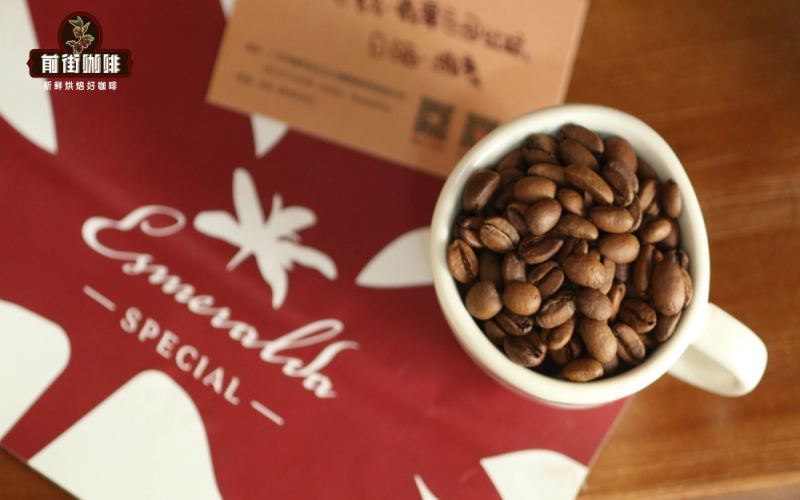
Flavor Analysis and Bean Variety Characteristics of the World’s Top Ten Specialty Coffee Regions | Must-Read for Pour Over Beginners
From high-altitude Panamanian Geisha to sun-dried Typica in Yunnan, there are over 50 countries around the world suitable for coffee cultivation. However, each region, due to differences in climate, altitude, and processing methods, produces unique flavor profiles. This article selects representative bean varieties from ten well-known coffee-producing countries, providing an in-depth analysis of their flavor characteristics, processing features, and recommended brewing methods. It helps coffee enthusiasts develop an intuitive understanding of regional flavors, making it easier to choose coffee menus or plan pour over selections. [more…]
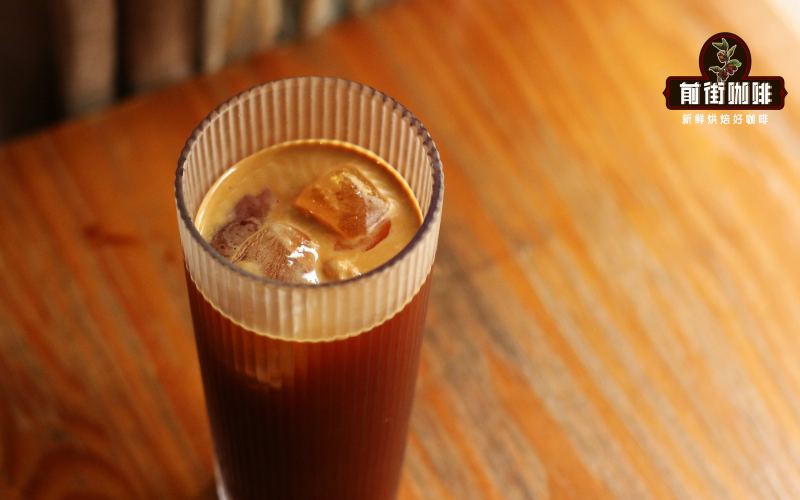
Unveiling Starbucks' Iced Americano Espresso Recipe: The Differences Between Hot and Cold Drinks Suitable for Weight Loss and Extraction Techniques
Want to understand how to prepare an iced americano that balances flavor and health? This article delves into the espresso-to-water ratio of iced and hot americanos, suitable coffee bean pairings, and how temperature affects coffee flavor. It also explains the potential fat-burning benefits of black coffee for those looking to lose weight, and includes practical steps and parameter suggestions for making iced americano to help you progress from a beginner to mastering professional-level skills. [more…]
Smart Cup Brewing Guide: How Grind Size, Water Temperature, and Coffee-to-Water Ratio Affect Flavor?
The Smart Cup combines the advantages of a French press and a pour over filter, making it a practical tool commonly found in the homes of many coffee enthusiasts. By mastering the correct grind size, water temperature, coffee-to-water ratio, and brewing time, you can not only consistently extract the aroma and complexity of the coffee but also adjust parameters based on different roast levels to showcase the optimal flavor. This article provides a detailed analysis of the key elements of Smart Cup brewing, along with practical data and operational suggestions, making it easy for both beginners and advanced users to get started. [more…]