








Introduction:The Smart Cup combines the advantages of both the French press and pour over drippers, making it a practical brewing tool commonly found in the homes of many coffee enthusiasts. By mastering the correct grind size, water temperature, coffee-to-water ratio, and steeping time, you can not only consistently extract the aroma and complexity of coffee but also adjust parameters according to different roast levels to showcase the best flavors. This article provides a detailed analysis of the key elements of Smart Cup brewing, along with tested data and operational suggestions, making it easy for both beginners and advanced users to get started.
With its unique piston valve design, the Smart Cup cleverly integrates the immersive extraction of a French press with the refined filtration of a pour over dripper, becoming a practical everyday tool for many coffee lovers. By controlling just a few key variables—such as coffee dosage, ratio, grind coarseness, water temperature, and steeping time—you can consistently brew a cup of coffee with balanced flavor and distinct layers.
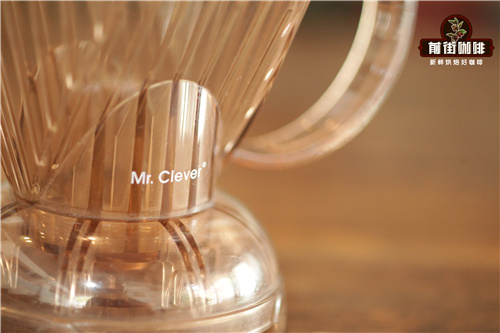
This brewing device, launched by Taiwan's EK Int'l, is most distinguished by its bottom-mounted piston valve structure. When hot water is poured into the cup, the water pressure automatically pushes the piston valve to seal the bottom, allowing the coffee grounds to fully steep within the filter. Once steeping is complete, simply place the cup on top of a server or mug, press down lightly on the bottom, and the valve will open, letting the filtered coffee flow out smoothly.
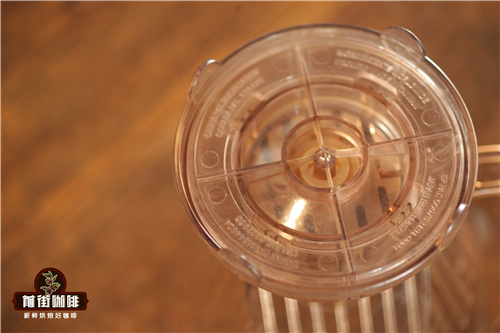
In short, the Smart Cup combines the full immersion environment of a French press with the clean filtration of a pour over dripper—an easy-to-use brewing method that still highlights delicate flavors.
If you want to learn how to use the Smart Cup to brew ideal coffee, the following section details its key parameters and practical brewing suggestions. This includes grind recommendations for both medium-light and medium-dark roasted beans, water temperature ranges, coffee-to-water ratio choices, and the impact of actual steeping time on flavor performance—to help you make the most suitable adjustments based on the characteristics of your coffee beans.
Grind Size Settings
When using the Smart Cup for immersion brewing, grind coarseness has a significant impact on flavor performance. Under fixed conditions of water temperature, coffee-to-water ratio, and extraction time, if the grind is too coarse, aromatic and sweet flavor compounds in the coffee may not be fully released, often resulting in a thin and one-dimensional cup; conversely, if the grind is too fine, it can lead to over-extraction, releasing excessive woody or astringent impurities, making the coffee taste intense yet unpleasant.
As a practical recommendation, for medium-light roasted beans, a medium-fine grind (with approximately 75%-80% passing through a standard #20 sieve) is suitable; for medium-dark roasted beans, a medium-coarse grind (approximately 65%-70% passing through a #20 sieve) is advised. This helps better match the beans’ characteristics and achieve optimal extraction efficiency.
Water Temperature Control
Water temperature is another key factor influencing extraction efficiency. When the water temperature is too high, the release rate of flavor compounds accelerates, and if not properly controlled, it can easily lead to over-extraction, resulting in sharp or harsh bitter notes; when the water temperature is too low, the release slows down, which may cause under-extraction and lead to a flat, unremarkable flavor.
Based on tested experience, when brewing medium-light roasted beans, it is recommended to use water at 90°C–91°C; for medium-dark roasted beans, 88°C–89°C is ideal, helping to balance acidity and sweetness while avoiding the negative flavors associated with over-extraction.
Coffee-to-Water Ratio and Extraction Balance
The coffee-to-water ratio directly affects the strength and extraction yield of the coffee. Based on the SCA Golden Cup standard reference (extraction yield of 18%–22%, concentration of 1.15%–1.45%), multiple experiments have found that using a 1:15 ratio results in an extraction yield generally between 17.79%–18.73%. Although this is close to the lower end of the Golden Cup range, sensory evaluation shows good flavor balance and is suitable for most types of coffee beans.
This ratio not only maintains an appropriately balanced strength but also helps highlight the delicate aromas and sweetness of the coffee, making it a practical starting point recommended by many experienced coffee enthusiasts.
Impact of Steeping Time
The length of the steeping time also significantly alters the final outcome of the coffee. In past comparative experiments testing 2, 3, 4, 5, 6, and 10 minutes, results showed that the 2 to 4 minute range delivered particularly outstanding flavor performance, often featuring bright fruit notes such as cherry tomato and pineapple, with sweetness becoming more pronounced as the time is slightly extended.
Based on a synthesis of experimental data and actual tasting experience, it is recommended to control the steeping time for light-roasted coffee between 3 to 4 minutes to achieve optimal flavor expression and overall balance.
Here is a set of practical brewing parameters: using Yirgacheffe Natural Red Cherry Project beans, with a water temperature of 90°C, 15 grams of coffee, a 1:15 coffee-to-water ratio, and a medium-fine grind (approximately 75% passing through a #20 sieve), steeped for 4 minutes.
Brewing Steps are as follows:
① Fold the filter paper properly and place it into the Smart Cup. Set the cup on top of a receiving vessel and rinse the filter paper with hot water while preheating the equipment.
② Move the Smart Cup onto an electronic scale (at this point the bottom valve will automatically close), pour in the ground coffee, and then add 225 milliliters of hot water directly. Ensure all the coffee grounds are evenly saturated, then cover with the lid and let it steep for 4 minutes.
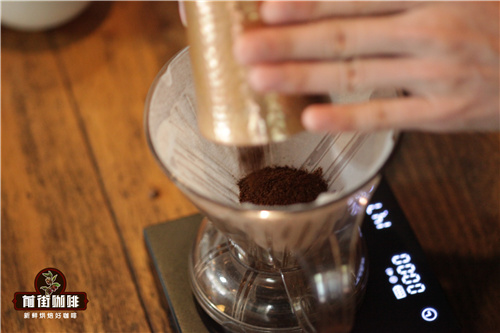
After the steeping time is complete, move the Smart Cup over your target cup or mug, gently press down the bottom valve, and allow the coffee to slowly filter out—enjoying a pour over-quality cup with balanced flavor and distinct layers.
The above content is compiled by CoffeeHunters, a coffee news website.


