








Introduction:Whether you're opening a coffee shop or refining your home espresso brewing, choosing the right blend is key. This article delves into the principles of espresso extraction, covering roast levels, flavor balance, and bean stability to offer practical buying guidance. It also introduces five popular commercial blends—ranging from bold and rich, floral and fruity, nutty profiles, shop-matching options, to high-value beginner choices—to help you find your ideal beans.
For those aspiring to run a coffee shop or attempting professional-grade espresso at home, selecting a suitable blend is often the crucial first step in determining coffee flavor performance. Under the high temperature and pressure of espresso extraction, the various characteristics of coffee beans are significantly amplified. Therefore, medium to dark roasted blends are generally more suitable than light roasted single-origin beans, as they can deliver a fuller body and richer layers.
This article starts with the basic principles of espresso extraction, guiding you on how to choose commercial-grade espresso beans for shop use or personal enjoyment. It then analyzes five market-favorite blends one by one. These beans are respectively known for their bold richness, floral-fruity notes, nutty flavors, being shop-matching, and offering high cost-performance for beginners—suitable for users with different needs and budgets.

The origin, processing method, and roast level of green coffee beans all directly influence the final flavor of the brewed cup. While single-origin coffees can showcase the unique character of specific regions, skillfully combining beans of different styles often creates a more complex and balanced taste experience—this is the charm of blends.
What is Espresso?
Espresso, or what we commonly call espresso, works on the principle of forcing hot water (around 90-96°C) at high pressure (about 9-10 bar) through a compact puck of finely ground coffee. This process quickly extracts a small cup of highly concentrated coffee. Under ideal extraction parameters, a good espresso should have a rich body, intense aroma, and a velvety, reddish-brown crema on top. This crema is not only a visual delight but also one of the indicators of successful extraction.
The overall flavor profile of espresso largely depends on the coffee beans used. In the high temperature and pressure environment of extraction, the acidity of light-roasted beans can become overly sharp, while dark roasts may make bitterness too prominent. Therefore, choosinga medium to dark roasted blendusually results in a more balanced taste, richer crema, and fuller flavor. If it's for daily use in a coffee shop, special attention should also be paid to thefreshness and consistency of the output, so it’s recommended to choose a roasting brand with a good reputation and stable supply.

If you want to improve the success rate of making espresso, choosing a blend is a safer option. A blend is made by mixing coffee beans from different origins with distinct flavor profiles in specific proportions, allowing their strengths to complement each other to achieve balanced flavor and rich layers. Below are five highly-rated commercial-grade espresso blends in recent years. Whether for home daily use or coffee shop service, you’ll find a suitable choice.
1. Classic Italian Espresso Blend – Bold & Rich Type
This blend draws inspiration from the classic "Mocha Java" combination—Indonesian Mandheling and Brazilian beans—two flavors that complement each other and were a staple in many early Taiwanese coffee shops. On this foundation, a small amount of Robusta is added to significantly enhance crema performance and overall body, making this bean not only suitable for home use but also great for milk-based drinks like lattes where latte art is desired.
2. Strawberry Candy Espresso Blend – Light Floral & Fruity Type
To brew an espresso with floral and fruity notes, a medium-roasted blend is recommended. This strawberry candy-flavored blend combines the honey-processed notes of Costa Rica Tarrazu, the fruitiness of Ethiopian beans, and the balance of Colombian beans. With gentle acidity, it offers a sweet profile reminiscent of strawberry soft candy upon entry, along with good crema performance, making it ideal for those who prefer a refreshing taste.
3. Premium Espresso Blend – Rich Nutty Flavor
Composed of beans from Brazil and Colombia, this blend fully showcases nutty and chocolatey notes. The Brazilian beans bring distinct nut aromas and balanced taste, paired with the chocolate and caramel flavors of Colombian beans. After extraction, it delivers a complex aroma of butter cookies, roasted nuts, and cocoa—perfect for those who enjoy bold flavors.
4. Commercial Espresso Blend – Shop-Matching Option
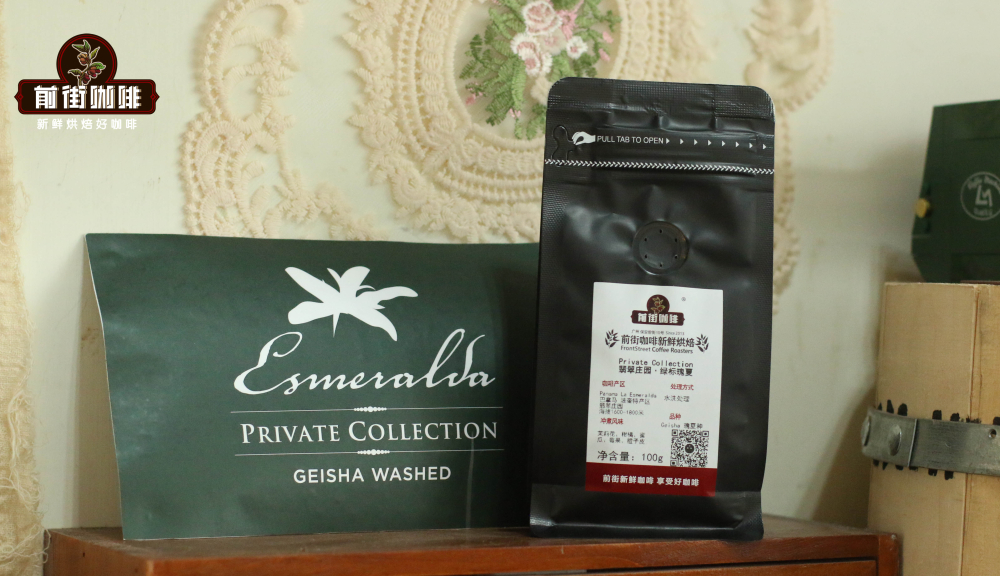
If you want to replicate the common Americano or latte flavors found in coffee shops at home, this commercial-grade blend made from Brazilian, Colombian, and Vietnamese beans is an ideal choice. Medium to dark roasting provides rich crema and baked aromas. The resulting Americano has a mellow and smooth taste, while the latte is thick and silky with a long aftertaste. It’s also affordably priced, making it great as a daily home blend.
5. Basic Espresso Blend
Designed for beginners, this bean prioritizes high cost-performance. Its flavor is mild, featuring soft fruit acidity, caramel sweetness, and a finish of nuts and dark chocolate. It has a smooth texture and moderate body, suitable for budget-conscious households or startup coffee shops with moderate flavor expectations.
The above content is compiled by CoffeeHunters, a coffee news website.


