








Introduction:When using the same V60 #01 dripper, how should extraction parameters be adjusted when the amount of coffee grounds changes from 10g to 25g? This article presents the results of testing three common coffee dosages with the pour over method, analyzing water flow control, grind size selection, and final flavor profiles under different dosages—helping you find the balance that suits your taste, whether you're brewing for one or sharing with others.
The V60 #01 dripper is commonly used for single or two-person pour over brews, with 15 to 20g of coffee powder generally recommended for optimal extraction. However, in real-world scenarios, we often need to adjust the coffee amount—for example, reducing it for solo enjoyment or increasing it for sharing with friends. So the question arises: when using the same-sized dripper but changing the amount of coffee grounds, do other pour over parameters also need to be adjusted accordingly?
In this test, we used Ethiopian Yirgacheffe Natural Red Cherry as the coffee bean, keeping the water temperature at 90°C, the coffee-to-water ratio at 1:15, and the grind size medium-fine (about 80% extraction through a No. 20 sieve according to Chinese standards). We used the circular pouring technique across three coffee dosages: 10g, 15g, and 25g. In addition to recording the brewing time and steps for each group, we also compared their flavor profiles in detail and provided specific adjustment suggestions for the extreme dosage cases (10g and 25g).
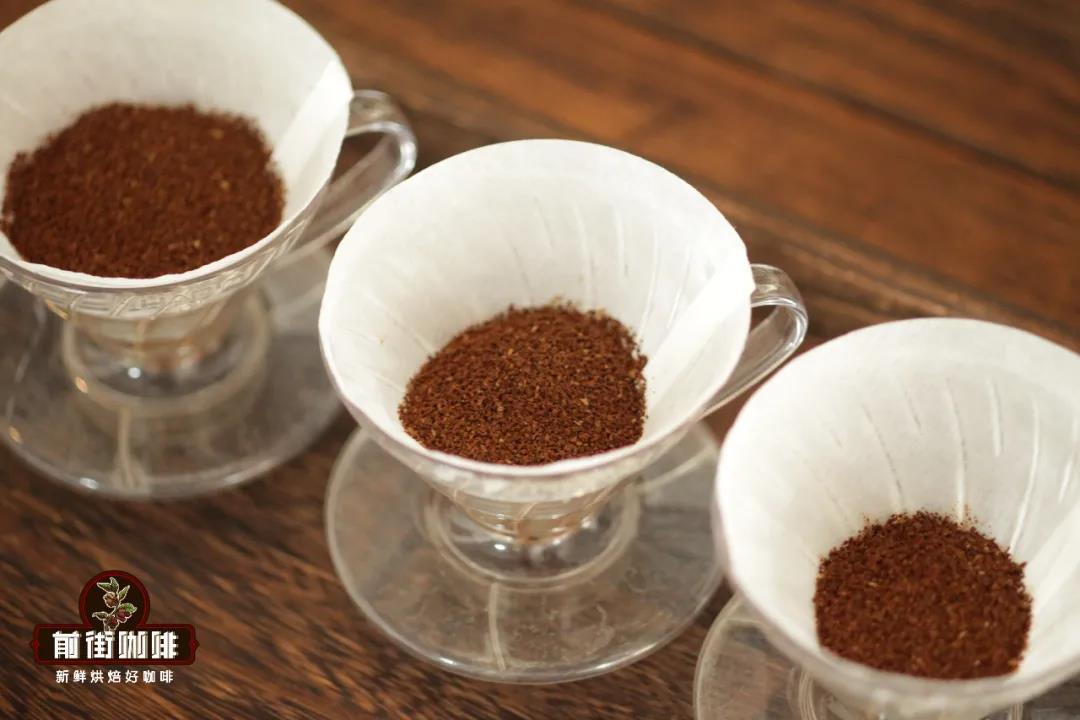
Before starting the pour over, don’t forget to wet the filter paper with hot water. This not only helps the filter paper adhere tightly to the dripper wall, avoiding any paper taste affecting the coffee, but also preheats the dripper and server to help maintain a stable brewing temperature.
First, we tested the 10g coffee dosage. The first step was to pour about 20g of hot water for the bloom, lasting approximately 20 seconds. After the bloom, we continued pouring until the total water reached 90g, at which point we did the first pour. Then, we waited as the water level gradually dropped, and just before the coffee bed became exposed, we poured again up to 150g and stopped. Just before the water level was about to expose the coffee bed again, we removed the dripper. From the start of the bloom, the total brewing time was approximately 1 minute and 35 seconds.
In terms of flavor, this group clearly exhibited citrus acidity, with a honey-like light sweetness in the aftertaste. However, overall the flavor was relatively thin, lacking the rich layers and full body typically associated with natural processing. Observing the brew, due to the smaller coffee amount, the coffee bed was not evenly distributed, and some water flowed through without fully contacting the coffee grounds, leading to under-extraction and resulting in a rather flat flavor.
The second group used 15g of coffee. The initial bloom involved pouring 30g of water and extending the bloom time to 30 seconds. Then, we continued pouring until the total reached 125g for the first pour, and when the water level dropped and was about to expose the coffee bed, we poured again up to 225g and stopped. We removed the dripper when the water level approached the coffee bed again, with a total brewing time of about 2 minutes.
This coffee showed a richer flavor profile, dominated by the sweet-tartness of berries, accompanied by noticeable fermentation aromas and a subtle almond note. The finish had a honey-like sweetness, with an overall full body and clear layering—it was the smoothest and most layered among the three groups.
Finally, the challenging 25g coffee group. The bloom started with 50g of water and lasted for 40 seconds. Then we poured up to 160g for the first pour, and as the water level dropped and was about to expose the coffee bed, we continued pouring up to a total of 375g and stopped. We removed the dripper when the water level neared the coffee bed again, with a total brewing time of 2 minutes and 36 seconds.
However, the flavor performance of this group was not as expected. Although some almond bitterness and citrus acidity were present, along with a tea-like character, the overall layering was noticeably lacking, and there was a distinct bitterness and astringency. Observing the brewing process, the high amount of coffee led to denser stacking of the grounds, narrowing the water channels and making it difficult for water to effectively agitate the coffee bed. As a result, the bottom layer was too thick, the brewing time was prolonged, and over-extraction and off-flavors occurred.
Moreover, during the 25g brew, the liquid level almost reached the edge of the dripper. Any slight misjudgment in pouring angle or speed could easily cause overflow, so extra care is needed in actual operation.
Combining the results of all three tests, it’s clear that adjusting the coffee dosage affects not only brewing time and flow rate but also directly influences the final flavor profile. Especially when the dosage is too small, it can easily lead to under-extraction; when it's too large, it may cause over-extraction due to restricted water flow, and even operational challenges.
If you choose to use the V60 #01 dripper to brew 10g of coffee, it is recommended to adjust the fineness of the water stream. To prevent the coffee bed from settling or uneven distribution due to strong water flow, a finer stream should be used—about 4 to 5 grams per second, or even reduced further to 7 to 8 grams per second. Pouring gently with a fine stream helps the coffee bed uniformly absorb hot water, improving overall extraction consistency.
Conversely, if you plan to brew with 25g of coffee, the first consideration should be adjusting the grind size. With increased coffee dosage, the space between coffee particles becomes smaller, narrowing the water channels. It is recommended to adjust the original medium-fine grind (about 80% extraction through a No. 20 sieve according to Chinese standards) to a slightly coarser grind with about 75% extraction. This increases the spacing between particles and improves water flow. However, even with grind adjustments, the V60 #01 dripper is not optimized for large coffee amounts. If you frequently brew with more than 25g, it is advisable to switch to the larger V60 #02 dripper to ensure even coffee expansion and achieve a more complete and balanced extraction.
The above content is compiled by CoffeeHunters, a coffee news website.


