







Introduction:Have you ever noticed that an iced Americano made from the same coffee beans can sometimes taste bright and refreshing with a pleasant acidity, while other times it feels flat and dull? In reality, factors such as the beans’ resting time, weather conditions, bean hopper pressure, and continuous brewing status can all subtly alter the extraction of the espresso, thereby affecting the final flavor. This article delves into the four key factors behind the changing taste of iced Americanos and explores whether single-origin beans are suitable for making iced coffee, helping you better understand the dynamics and potential of espresso-based beverages.
Have you ever had this experience: you walk into your usual coffee shop, order an iced Americano, take the first sip, and find that the flavor is different from last time? It’s the same coffee beans—why does the taste vary? This kind of situation not only puzzles customers but also often puts pressure on baristas. In fact, what seems to be a simple iced Americano is actually influenced by many variables. From the coffee beans’ resting phase, the weather of the day, to the grinder's bean hopper pressure and the status of continuous brewing, all these can lead to variations in espresso extraction results, thereby altering the overall drink experience.
Taking the most common method of making an iced Americano as an example, it usually involves adding a double shot of espresso (made with about 20 grams of coffee grounds, yielding 40 grams of liquid) to 90 grams of ice and 160 grams of room temperature water. While this recipe may seem fixed, any fluctuations in the extraction process can result in noticeably different flavors and concentrations—even if the recipe remains unchanged. For instance, a commonly used blend at a certain shop, Warm Sun Blend, should ideally exhibit notes of vanilla, cream, mild fermented wine-like aromas, cocoa, and gentle fruity acidity, with a concentration typically ranging between 1.4% and 1.7%. The taste is refreshing and layered. However, when certain variables change, this iced Americano might leave you with a sense of “something’s off.”
So, what exactly are the factors causing the flavor fluctuations in iced Americanos? Below are four key elements that every coffee enthusiast should know.
1. Resting Time: Freshness and Degassing
Freshly roasted coffee beans contain a large amount of carbon dioxide, which can affect the release of flavor compounds during extraction. If beans that have not rested long enough are used, the extraction process can produce excessive bubbles. While it may seem like there’s plenty of crema, the structure is actually loose, and the flavors are incomplete, leading to under-extraction. Therefore, it is recommended to let espresso beans rest for at least 10 days before use, allowing them to enter a stable phase. Taking a certain blend as an example, during days 10 to 20 of resting, the crema layer tends to be richer, and the iced Americano often carries bright raspberry acidity and a light vanilla tone. By days 20 to 30, although the crema decreases, later-stage flavors like caramel, nuts, and wine-like aromas become more pronounced, and the overall mouthfeel tends to be richer and smoother.
2. Weather Changes: Impact of Humidity and Air Pressure
Coffee beans thrive in a dry and stable environment. Rainy or humid days, as well as “returning humidity” periods, with low air pressure, often make it tricky for baristas to adjust extraction parameters. High humidity can cause coffee grounds to clump, leading to uneven grinding and channeling, which affects extraction stability. Sometimes, the same batch of beans might yield a smooth cup one moment and an unexpected bitter or off-flavor the next. Additionally, lower air pressure can weaken the extraction pressure of the espresso machine, resulting in less vibrant aroma and flavor compared to sunny days. In such situations, baristas usually need to observe the extraction status more frequently and fine-tune parameters as needed to maintain flavor balance.
3. Bean Hopper Pressure: Key to Consistent Grind Size
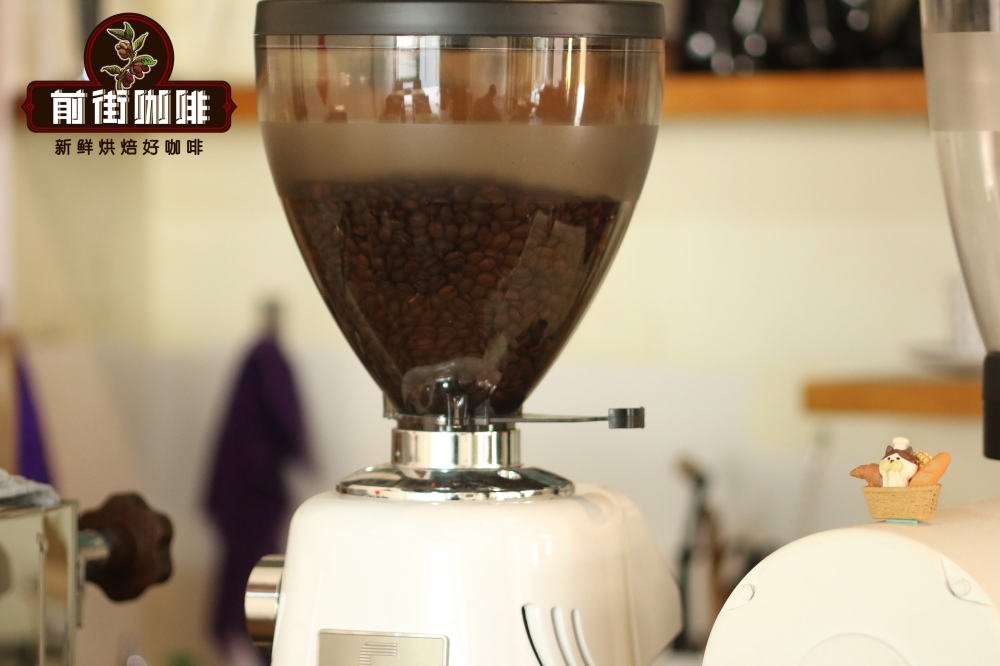
Many baristas refill the bean hopper to the top every morning they open the shop. This is not only for convenience in accessing beans but also to maintain stable internal pressure within the grinder, ensuring uniform grind size. According to experiments by one shop, when the coffee beans in the hopper drop below one-quarter full, the grind coarseness can become coarser due to reduced pressure. Under the same dose, the extraction time for a double shot of espresso might shorten by 3 to 5 seconds, leading to under-extraction or noticeable flavor deviation. Therefore, keeping an adequate amount of beans in the hopper is a crucial factor in maintaining consistent daily extraction quality.
4. Continuous Brewing: Burr Temperature and Flavor Volatilization
When an espresso machine continuously produces multiple drinks, the burrs of the grinder heat up due to high-speed operation, potentially causing subsequent grinds to become coarser or uneven, affecting the flow rate and extraction efficiency of the espresso. Moreover, the rise in temperature of the burrs and the coffee puck can accelerate the volatilization of flavor compounds and reduce the final coffee’s viscosity and richness. These combined factors can easily make the iced Americanos served after consecutive brewing sessions taste thin or inconsistent.
Of course, other factors that influence the flavor of iced Americanos include the barista’s operational consistency, the evenness of coffee distribution and tamping, as well as control over extraction time and liquid weight. Any small oversight in these steps can result in a final drink that deviates from expectations. Understanding these variables not only helps baristas adjust and optimize their processes but also enables consumers to better appreciate the craftsmanship and variations behind an iced Americano.
As for the common question: “Can single-origin coffee beans be used to make iced Americanos?” The answer is yes, but it’s important to note that single-origin beans usually have distinct flavor characteristics. When used for espresso extraction, their acidity, sweetness, and body need to be balanced with the ratio of ice and water. Otherwise, they might end up tasting thin or out of place in a cold drink. Generally speaking, blends, with their more harmonized flavor layers, are better suited for producing stable and well-layered iced Americanos. However, with the right selection, single-origin beans can also showcase unique cold brew flavor profiles and are worth exploring by enthusiasts.

The above content is compiled by CoffeeHunters, a coffee news website.


