







Introduction:To brew a balanced pour over coffee, the key lies in mastering the correct coffee-to-water ratio and extraction techniques. Based on the SCA Golden Cup Standard, this article explains the principles behind a 1:12 to 1:15 coffee-to-water ratio range, using a single-serving recipe of 15 grams of coffee grounds and 225 grams of water as an example. It details the setup of water temperature, grind size, as well as the practical points of blooming and three-stage pouring. It also compares different methods such as stirring during bloom and Japanese drip-style pouring, helping you find your own brewing benchmark.
The charm of pour over coffee largely comes from the control of details. Among them,Coffee-to-Water Ratiocan be said to be the core factor determining the strength and flavor profile of a cup of coffee. Many beginners often wonder: how much coffee powder should be used for a single serving? How much water is just right? In fact, by understanding the Golden Cup extraction concept proposed by the SCA (Specialty Coffee Association), you can find a reasonable reference range.
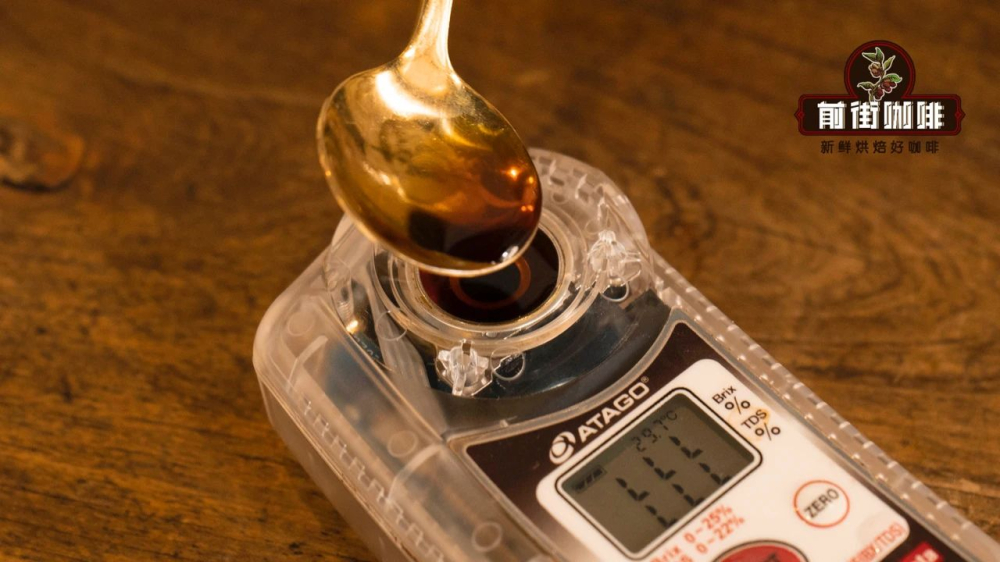
Golden Cup extraction refers to the ideal proportion of soluble substances extracted from coffee. Studies show that about 30% of coffee bean components are water-soluble, but it’s not necessary—or even desirable—to extract all of them. The SCAA (Specialty Coffee Association of America) defines the ideal extraction rate as being between 18% and 22%. Translated to drip coffee, this corresponds to a TDS (Total Dissolved Solids) concentration of about 1.2% to 1.45%. This means that most of what we drink in pour over coffee is actually water, and only properly extracted flavor compounds can deliver a rich and layered taste.
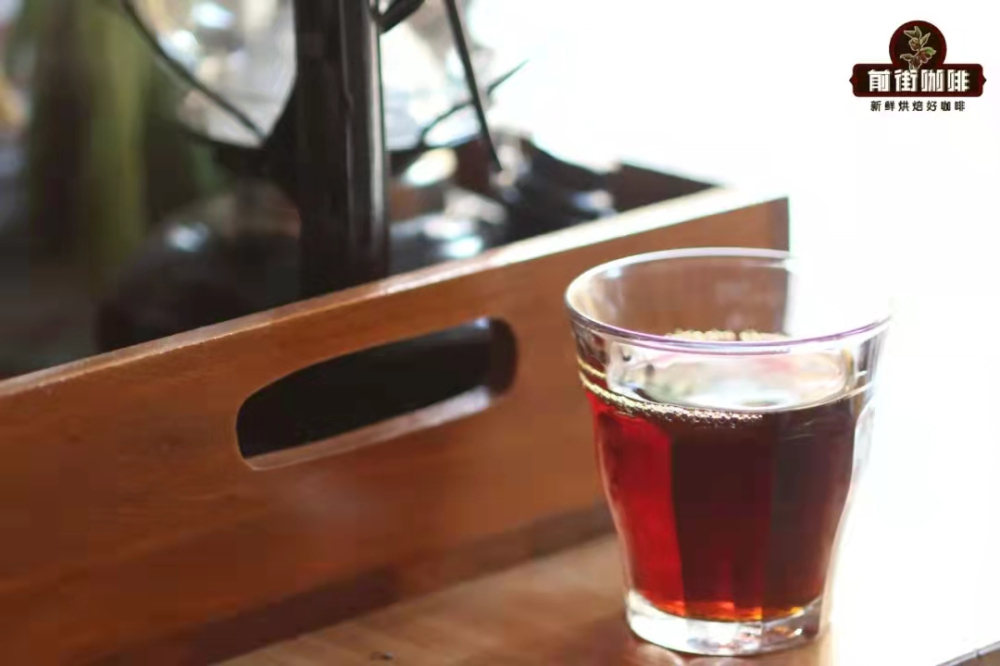
According to this standard, the recommended coffee-to-water ratio is between 1:12 and 1:15. For example, using 15 grams of coffee powder with 225 grams of water (approximately 225 milliliters) will yield a well-balanced single-serving pour over coffee. For a double serving, it is advisable to use a larger filter and increase the coffee amount, but be cautious as an overly thick coffee bed may lead to over-extraction. For those brewing at home, there’s no need to purchase professional equipment—through repeated experimentation and taste adjustments, you can find your own optimal ratio.
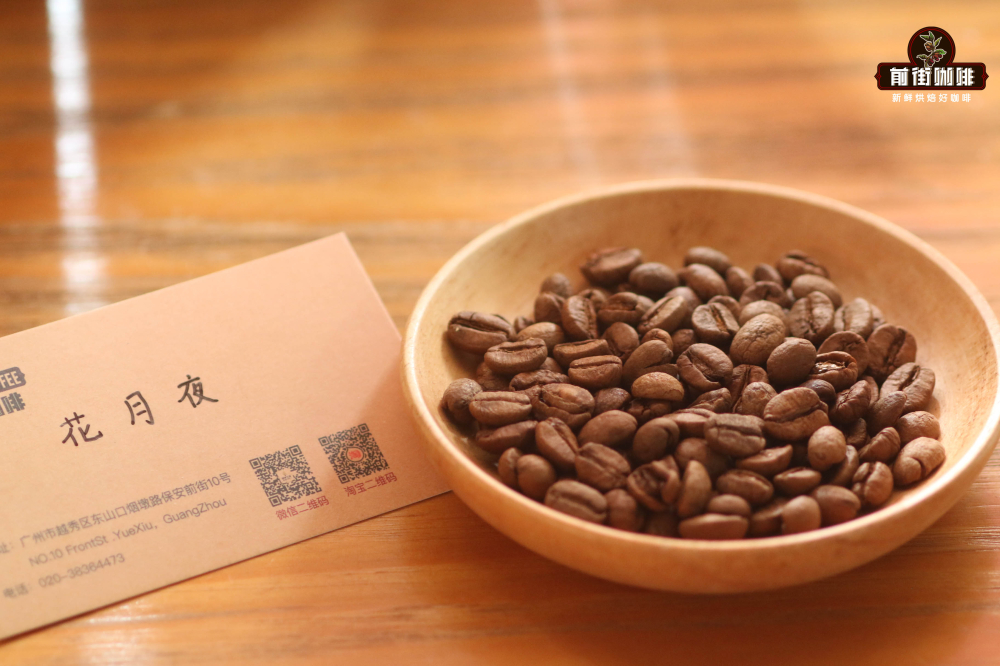
As a practical example, we selected a light-roasted Colombian Huayueye coffee bean and used a Hario V60 filter for demonstration. The brewing parameters were set as follows: water temperature 90°C, 15 grams of coffee, a 1:15 coffee-to-water ratio, and a grind size passing 80% through a Chinese standard No. 20 sieve (similar in coarseness to fine sugar). This combination fully highlights the fruitiness and sweetness of the coffee, making it suitable for drinkers who prefer a refreshing flavor.
Water temperature is one of the key variables affecting extraction. Generally speaking,the higher the water temperature, the more active the molecular movement, and the higher the extraction rate. However, excessively high temperatures may extract too many bitter and astringent compounds, negatively impacting taste. For light-roasted beans, it is recommended to keep the water temperature between 83°C and 94°C. The 90°C used in this example is a balanced choice considering both flavor release and drinking comfort. In Japan, where immersion-style brewing is preferred, lower temperatures are commonly used, but for pour over methods, a moderately higher temperature is still advised to promote proper extraction.
Grind size also affects the efficiency of contact between coffee and water. Finer coffee grounds result in more material being extracted per unit of time, but also risk over-extraction; coarser grinds may under-extract. Through multiple experiments,a grind passing 80% through a Chinese standard No. 20 sieve (similar to fine sugar) is a suitable choice for pour over coffee. Different coffee origins and processing methods may call for different grind sizes, so it's recommended to fine-tune based on actual flavor results. Even when using the same brand of grinder, slight differences between machines may occur, so regularly checking grind consistency helps maintain stable extraction.
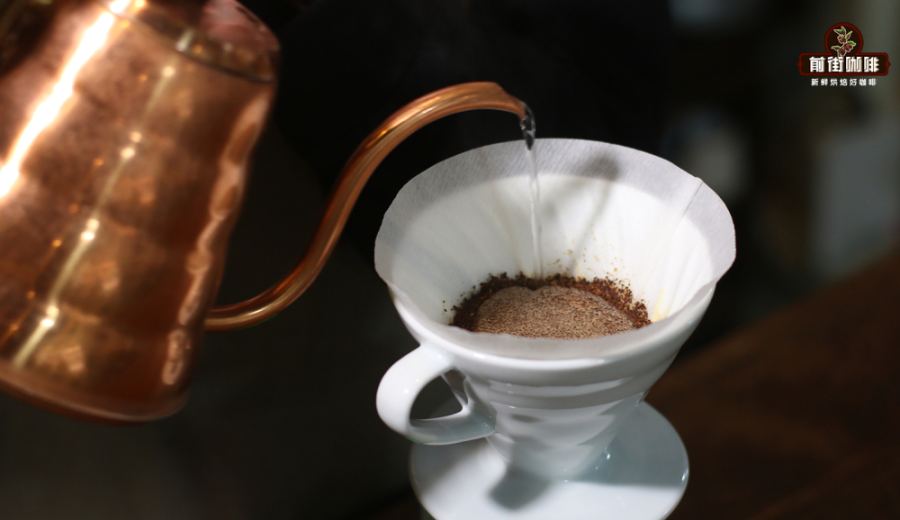
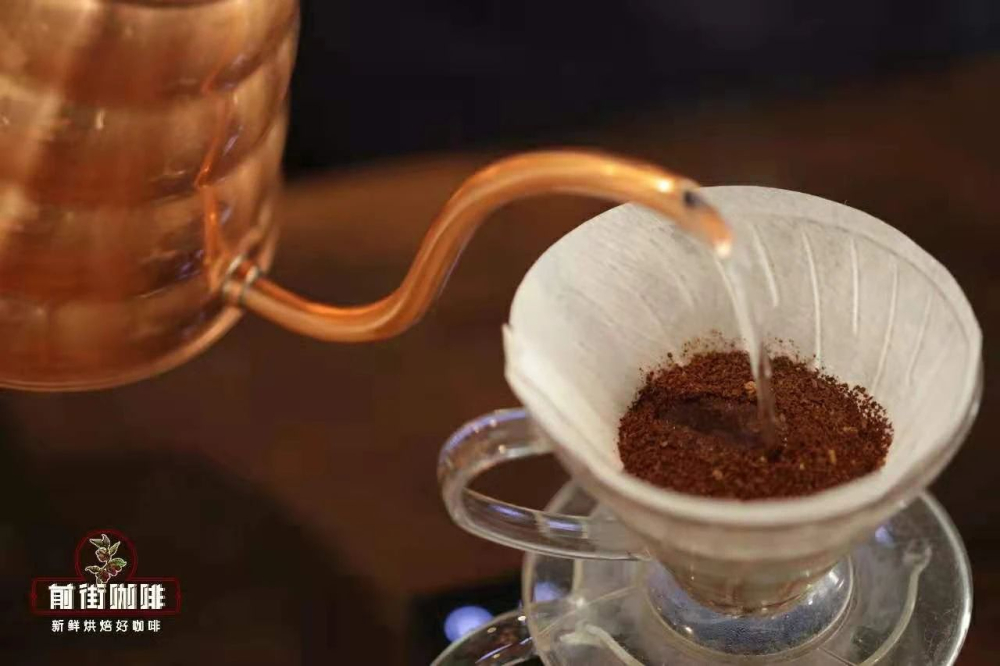
There are various pour over pouring techniques, and this article uses the classic three-stage pouring method to illustrate the specific steps. First is the blooming stage: evenly pour a small amount of hot water over the coffee grounds, using about twice the weight of the coffee (around 30 grams), for approximately 30 seconds. The purpose of blooming is to allow the carbon dioxide built up during roasting to escape, enabling the coffee grounds to fully absorb water and lay a good foundation for subsequent extraction. Be gentle with the water flow to avoid excessive dripping and ensure the coffee bed remains level.
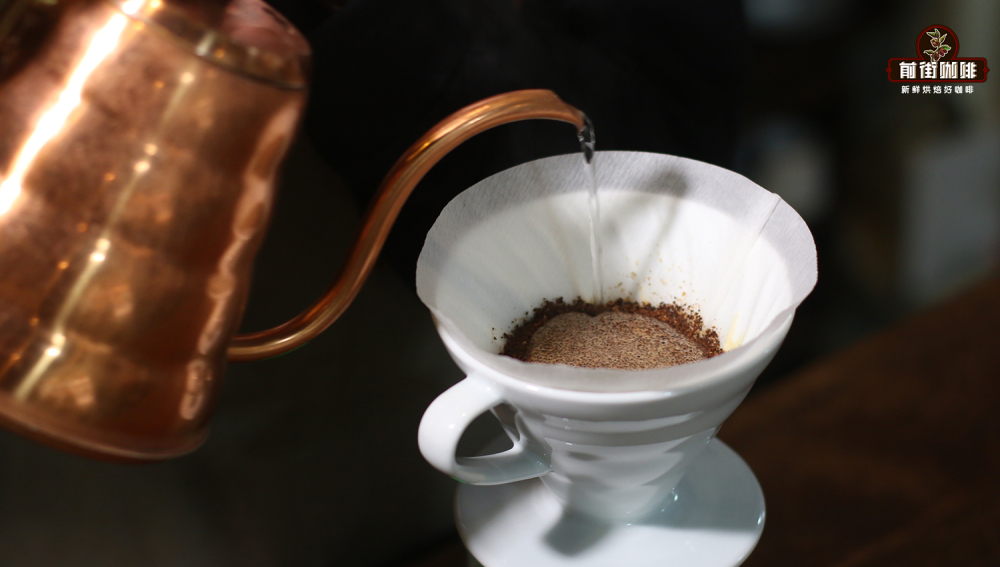
After blooming, move on to the first pour (segmented pouring): slowly pour in a small stream starting from the center of the coffee bed, moving in a circular motion, controlling the water volume to the first stage (e.g., up to 125 grams). Keep the stream focused, with the circle about the size of a one-yuan coin, avoiding direct impact on the edge of the filter paper. When the water level nears the surface of the coffee bed, stop pouring and wait for the water level to drop.
Next is the second pour: when the water level drops to about half, start pouring again in a circular motion from the center until the total water volume reaches the target (in this case, 225 grams). Observe the speed of water level descent and control the pouring rhythm to avoid long interruptions that could lead to uneven extraction or off-flavors in the final sip. Finally, when the water level is about to expose the coffee bed, remove the filter and end the extraction. The entire process (including blooming) takes about 2 minutes, which can be fine-tuned based on actual conditions.
In addition to the three-stage method, there are several other pour over techniques, each with unique characteristics and applicable scenarios. For example:Stirring Bloom Methodis suitable for light-roasted beans, enhancing flavor release through stirring during the bloom stage, but care must be taken to avoid over-extraction;Japanese Drip Methoduses an extremely fine stream poured slowly, suitable for medium to dark roasts, bringing out a rich sweetness;One-Pour (Yidao Liu)involves pouring all the water after blooming in one go, which is simple but requires precise control of flow rate;Volcano Pouris designed specifically for dark roasts, using multiple blooming stages and mid-pour techniques to balance intense flavors. Beginners are advised to start with the three-stage method and try others once comfortable.
In summary, the key to pour over coffee lies in understanding the interplay between coffee-to-water ratio, water temperature, grind size, and pouring technique. Through the Golden Cup practice of 15 grams of coffee with 225 grams of water introduced in this article, along with the detailed steps, you can gradually establish your own brewing benchmark and enjoy the pleasure and endless possibilities of pour over coffee.
The above content is compiled by CoffeeHunters, a coffee news website.


