







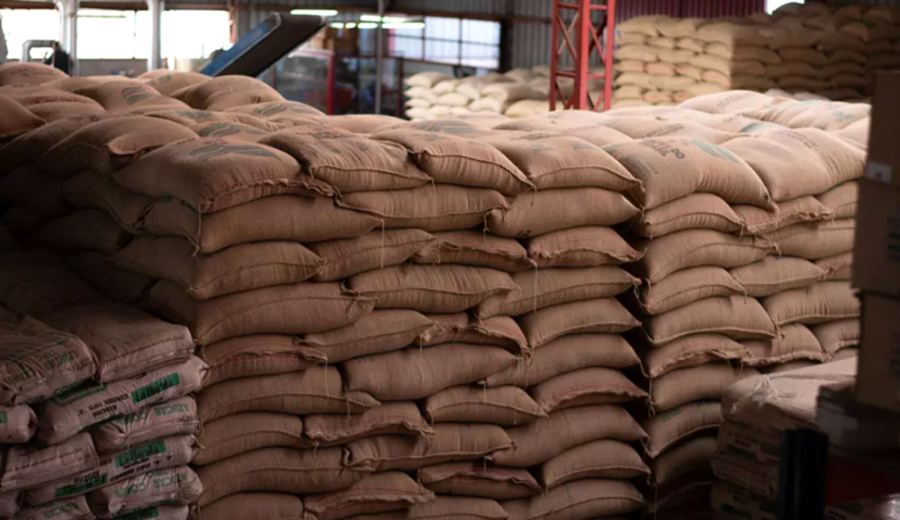
Introduction:As the world’s largest producer of Arabica coffee, Brazil plays a pivotal role in coffee blends. This article delves into the advantages of Brazilian coffee-growing regions, explores its unique processing techniques, analyzes its flavor profile, and provides practical pour over parameters for two classic single-origin beans—helping readers master comprehensive knowledge from bean selection to brewing.
Among many espresso blends, Brazilian coffee beans are almost indispensable. What exactly makes them the cornerstone of blend recipes? We will comprehensively analyze the uniqueness of Brazilian coffee beans from aspects such as regional characteristics, market influence, processing methods, and actual brewing applications.
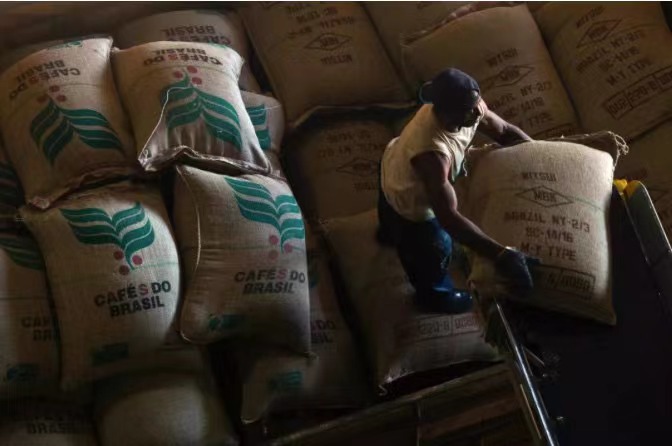
Brazil is one of the world’s major producers of Arabica coffee, and its output directly influences the global futures price of Arabica green coffee. In bumper harvest years, Brazil’s production can account for over 30% of the global total. However, in recent years, due to extreme weather, the pandemic, fluctuations in energy prices, and other factors, Brazil’s coffee supply has faced tightening challenges. Notably, the coffee futures prices on the New York Intercontinental Exchange are largely affected by Brazil’s supply levels.
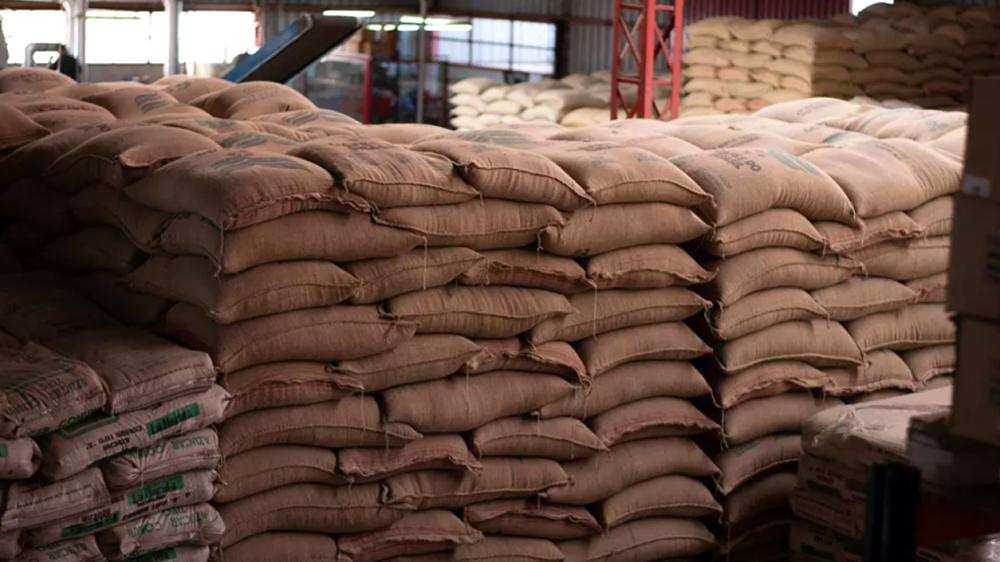
Generally speaking, the higher the altitude of the coffee beans, the greater the day-night temperature difference, the slower the growth rate, the denser the beans, and the richer the flavors. In contrast, Brazilian growing regions generally have low altitudes, flat terrain, lack of microclimates, and coffee trees are usually not shaded. These conditions result in Brazilian coffee beans typically having lower acidity, softer bean texture, and less intense aroma compared to high-altitude regions. High-quality Brazilian beans often exhibit nutty, chocolate-like sweetness with balanced acidity and bitterness, as well as a full body; whereas lower-quality beans may present woody or earthy notes.
The most common processing methods in Brazil include natural (sun-dried) and washed, but to enhance quality and adapt to local conditions, Brazil developed a unique semi-washed (pulped natural) process in the 1990s. The procedure involves first soaking the coffee cherries in water tanks to remove defective beans and floaters, then removing the skin, pulp, and part of the mucilage layer, followed by a short fermentation wash (about one hour). Due to the short fermentation time, some mucilage remains, after which the parchment beans are placed on well-aerated African raised beds for sun drying. The key difference from traditional washed processing is the shorter fermentation time, retention of some mucilage, reduced water usage, and lower resource costs.
Many people wonder if this method is similar to washed processing. In fact, semi-washed does share similarities with washed, but the key lies in the much shorter fermentation period, thus retaining some mucilage before sun drying. This approach not only conserves water resources but also improves upon the inconsistent quality issues of Brazil’s previously rough natural processing methods, while reducing risks of over-fermentation, mold, and contamination.
In a certain brand’s bean lineup, there are two highly acclaimed Brazilian single-origin coffees: Cerrado and Fazenda Rainha. The Cerrado region is located in the central-western part of Minas Gerais, at an altitude of about 1000 meters, known for producing coffee that is full-bodied, clean, and has a pleasant sweet flavor. After medium-dark roasting, this coffee showcases a smooth texture with notes of nuts, peanuts, and cream, along with sweet aromas of cocoa and caramel.
The other, Fazenda Rainha, comes from the Mogiana region near South Minas, at an altitude between 1400 and 1950 meters. This area combines modern agricultural technology with traditional mountain farming culture to produce high-quality coffee beans. Cupping reveals a distinct sugarcane-like sweetness, and after medium-dark roasting, it presents roasted nut aromas, a creamy texture reminiscent of peanut butter, and a sweet lingering note of brown sugar.
When it comes to brewing, a certain brand typically uses a Kono filter cone for pour over. Unlike the V60, the Kono’s ribs extend only to one-third of the way down, with the remaining portion featuring a smooth inner wall. When the filter paper adheres to the cone, air circulation is restricted, slowing down the water flow and creating an immersion effect that results in a fuller, more rounded mouthfeel. This filter design helps improve extraction efficiency, so it is recommended to use a medium-coarse grind (approximately 70% extraction rate with a Chinese No. 20 standard sieve), with water temperature controlled at 88–89°C, and a coffee-to-water ratio of 1:15.
The specific brewing steps are as follows: Begin with a 30-second bloom using 30 grams of water; then pour in a small circular motion until reaching 125 grams for the first pour; once the water level drops and is about to expose the coffee bed, continue pouring up to 225 grams to complete the extraction. The total brew time is approximately 2 minutes. This method fully highlights the rich, sweet characteristics of Brazilian coffee.
The above content is compiled by CoffeeHunters, a coffee news website.


