







Introduction:Panama’s Hacienda La Esmeralda and Ethiopia’s Gesha Village Farm are both renowned for their Geisha variety, yet they feature distinctly different grading systems and flavor profiles. This article will delve into a detailed comparison of their auction, Red Label, and Green Label grades, interpreting how altitude, processing methods, and specific plots influence the flavor profile of a cup of Geisha. It will also address common purchasing misconceptions to help coffee enthusiasts find the Geisha experience that suits them best.
The Geisha variety, originating from Ethiopia, gained international fame in 2004 when Panama’s Hacienda La Esmeralda won the top prize at the BOP competition, becoming a legend in the specialty coffee world. As Geisha cultivation has spread, Ethiopia’s Gesha Village has also risen to the ranks of top-tier producing regions with its unique varieties and processing techniques. However, despite both estates proudly bearing the “Geisha” name, there are clear differences in their grading classifications, regional characteristics, and flavor directions.
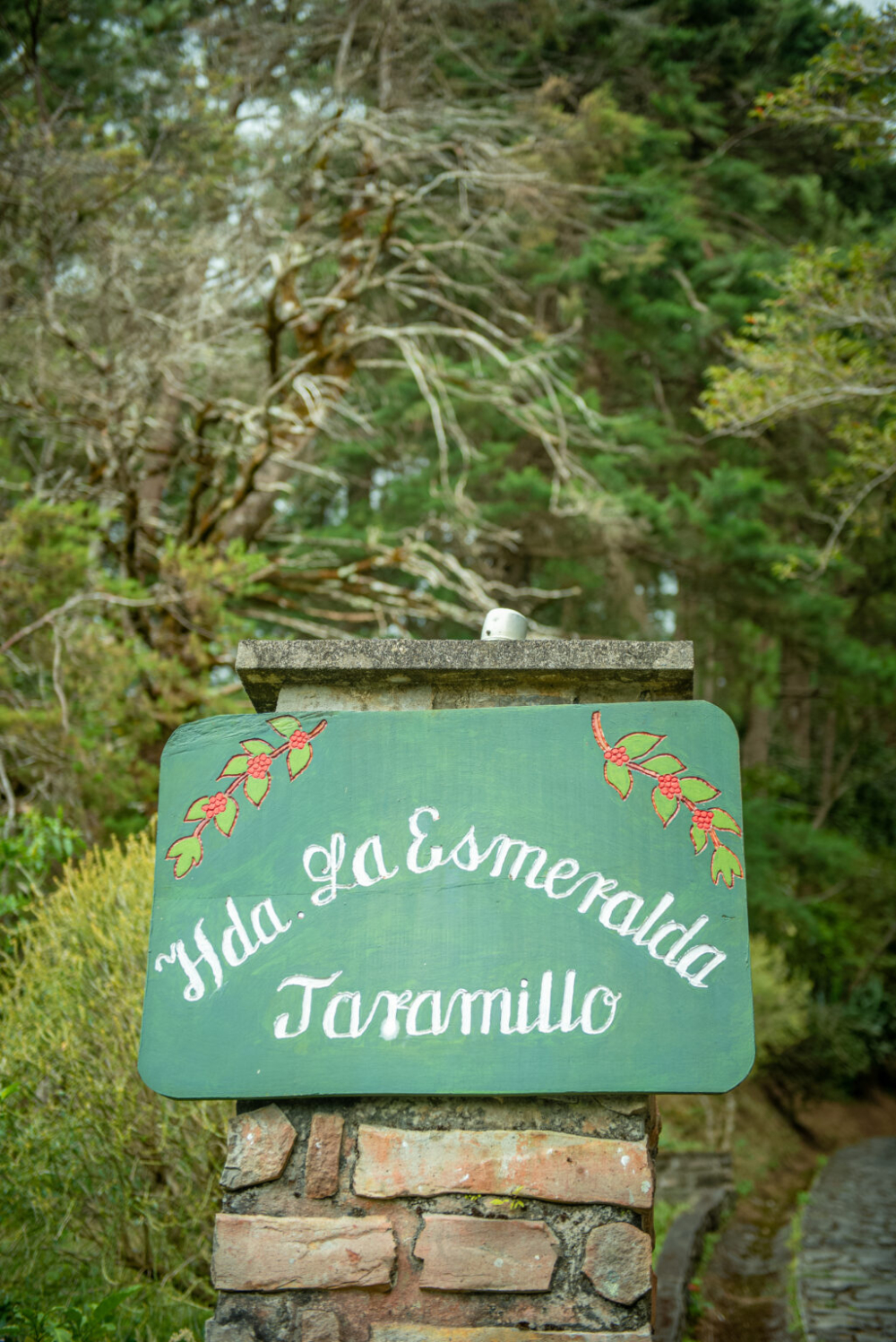
Hacienda La Esmeralda categorizes its Geisha into three main grades based on quality and rarity: Auction, Red Label, and Green Label. In earlier years, there was also a Blue Label, but it has gradually faded from the mainstream market. In contrast, Gesha Village offers a more granular and plot-specific grading system with Auction, Gold Label, Red Label, Green Label, and CHAKA lots, reflecting not only price tiers but also directly correlating to the complexity, acidity brightness, and aroma layers of the coffee.
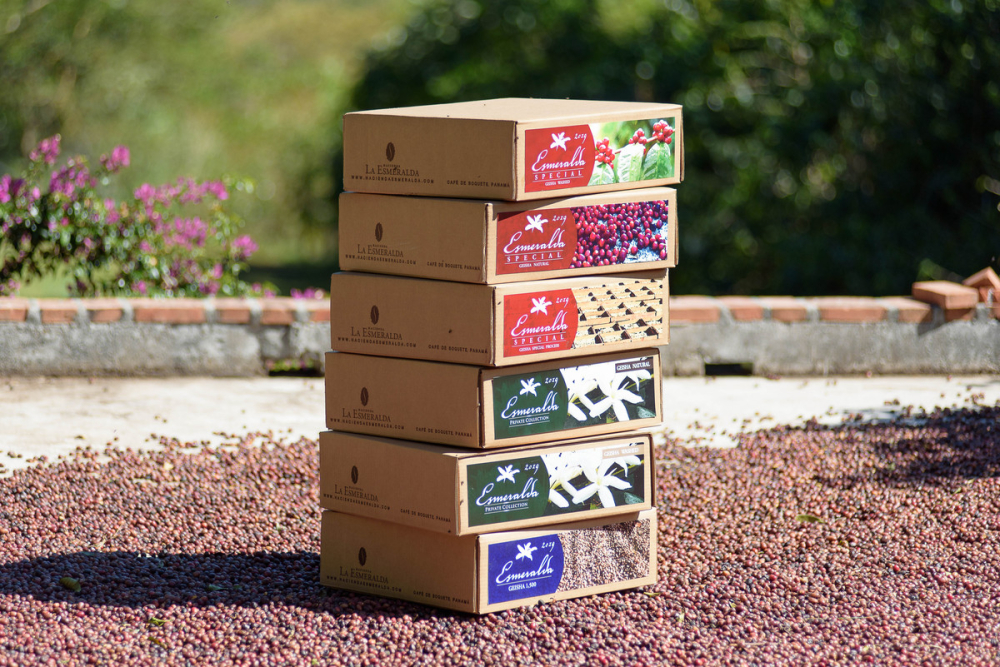
Within Hacienda La Esmeralda’s grading system,Auction lotsare the crème de la crème, selected exclusively from specific micro-lots to participate in annual auctions. These Geishas typically come from high-altitude core plots such as Jaramillo, Cañas Verdes, and El Velo, often scoring over 90 points in cupping tests. Each lot comes with detailed provenance information including altitude, latitude and longitude, harvest date, and processing method. Meanwhile,Red Label Geisha, although not auctioned, also comes from high-altitude, high-quality micro-lots, generally grown at elevations above 1600 meters, with cupping scores no lower than 91. These lots also maintain complete traceability. For example, a recent Red Label lot acquired by a café was harvested from the Sugarcane plot, undergoes a slow 25-day sun-drying process, and exhibits bright notes of jasmine, cranberry, passion fruit, and citrus, with a gentle cinnamon finish.
As forGreen Label Geisha, it is a more budget-friendly yet still flavorful option from Hacienda La Esmeralda. It mainly consists of blends from multiple plots grown between 1600 and 1800 meters, primarily from the three key areas of Jaramillo, Cañas Verdes, and El Velo. Since 2022, Green Label lots have started indicating specific sub-farm origins, allowing different batches to showcase their unique plot characteristics: Jaramillo Green Label is known for its jasmine and rose aromas, Cañas Verdes brings more tropical fruit notes, while El Velo lots often feature lemongrass and fresh floral scents. Common processing methods for this grade include natural or washed, making it ideal for enthusiasts wanting to experience Geisha flavors within a limited budget.
Once considered a mid-tier option,Blue Label Geishaactually came from a blend of lots grown between 1400 and 1500 meters, combining beans from the three plots of Jaramillo, Cañas Verdes, and El Velo. Formerly circulated under the “Geisha 1500” brand, its flavor profile was dominated by mild fruity acidity and melon-like sweetness. However, due to brand repositioning, this series was gradually phased out between 2019 and 2022, later replaced by the “Las Rocas” brand—commonly known as volcanic rock Geisha in the market.
Turning to Ethiopia’s Gesha Village Farm, located in the Bench Maji region at an altitude exceeding 1900 meters, the farm spans a total area of 471 hectares, with 320 hectares dedicated to coffee cultivation. The farm is divided into eight independent plots, each planted with a single variety to ensure flavor purity. The main varieties include Gori Gesha, Gesha 1931, and Illubabor Forest. Among these, Gesha 1931 was jointly selected by the farm owner Adam and expert Willem Boot, and its flavor profile most closely resembles the classic expression of Panamanian Geisha.
Gesha Village Farm also employs a meticulous grading system, comprisingAuction, Gold Label, Red Label, Green Label, and CHAKA lots. Among these,Auction lotsaccount for only 3.7% of the annual production and represent the highest grade. They are available only through annual global auctions, with cupping scores ranging from 88.15 to 92.67. For instance, the 2018 RSV.6 lot is a classic example. These coffees not only come from the best micro-lots but also represent the pinnacle of Gesha Village’s flavor expression for that year.
Gold Label Geisha(known in English as Rarities), though not auctioned, also belongs to the high-end category, accounting for about 10% of total production. Each batch of this grade comes with detailed plot information, predominantly featuring the Gesha 1931 variety, making it a favorite among specialty cafés and competition baristas. Compared to Red Label, Gold Label offers greater flavor intensity and complexity, appealing to consumers seeking the ultimate Geisha experience.
Red Label lotsare an excellent value-for-money choice from Gesha Village, making up about 15% of annual production, with cupping scores exceeding 88 points (per SCA standards) and clear traceability. A café-provided Red Label Geisha is often the Gori Gesha variety, discovered and named by the farm owner near the nearby Gori Forest. Its flavor reflects native Ethiopian characteristics, with bright acidity and a unique forest-like undertone.
Green Label lotscome from single plots and varieties, complete with batch numbers and processing details, making them ideal for coffee lovers eager to explore the distinct characteristics of each block. Meanwhile,CHAKA lots (CHAKA)are blends combining various varieties and plots from the lower end of the pyramid, including Gesha 1931, Gori Gesha, and Illubabor Forest. Processed using both washed and natural methods, these lots offer a diverse flavor profile, often showcasing floral, citrus, berry, cream, oolong tea, and cane sugar notes, serving as an accessible entry point to the full Gesha Village experience.
In summary, while both Panama’s Hacienda La Esmeralda and Ethiopia’s Gesha Village Farm are celebrated for their Geisha offerings, the former emphasizes refined flavors from single high-altitude plots, centered around auction lots and premium micro-lots. The latter, meanwhile, excels in varietal diversity and plot management, offering a range of Geisha experiences across all its grades from Auction to CHAKA. Understanding these grading distinctions will help coffee enthusiasts select the Geisha coffee that best aligns with their budget and flavor preferences.
The above content is compiled by CoffeeHunters, a coffee news website.


