







Category: Coffee Knowledge
Phoenix Dancong Tea: Terroir Selection & Brewing Tips — The Science Behind Its Fruity Aroma & Teapot Pairing Guide
As the essence of oolong tea, the terroir and brewing methods of Phoenix Dancong greatly influence its flavor. This article delves into the best producing regions, ideal teapot materials, and the roasting science behind its distinctive fruity notes. From teaware selection to aging principles, it helps you master the brewing essentials of this highly aromatic tea, offering practical advice for both beginners and connoisseurs. [more…]
A Complete Guide to Phoenix Dancong Oolong Tea Production: The Flavor Secrets from Tea Garden to Charcoal Roasting
Phoenix Dancong Oolong Tea is renowned for its distinctive fruity and floral notes—but where does its captivating flavor come from? This article delves into the key aspects of Phoenix Dancong production, analyzing everything from frying techniques to charcoal roasting methods, and explaining how traditional craftsmanship shapes the tea’s layered profile. It also introduces you to the terroir characteristics of various tea gardens in Chaozhou’s Phoenix Mountain, and offers practical tips for identifying high-quality Phoenix Dancong. Whether you’re a beginner or a seasoned tea enthusiast, you’ll gain a hands-on guide for selection and tasting. [more…]
Indonesian Lintong Mandheling vs Golden Mandheling: A Complete Guide to Flavor Differences & Pour Over Brewing
Indonesian Mandheling coffee is beloved by coffee enthusiasts around the world for its unique rich flavor. However, with many names on the market such as Lintong Mandheling and PWN Golden Mandheling, consumers often feel confused. This article takes an in-depth look at these two classic beans from Sumatra, comparing them from aspects such as origin, processing method, variety, and flavor profile. It also provides detailed pour over parameters and practical tips to help you better understand their characteristics—whether you're buying or brewing at home, you'll be able to do so with confidence. [more…]

Jamaica Blue Mountain No. 1 Pour Over Parameters & Authenticity Identification | Ideal Water Temperature, Grind Size, and Who It’s Suited For
Blue Mountain No. 1 coffee is hailed as the finest in the coffee world, with its balanced and rich flavor leaving a lasting impression. But do you know what water temperature and grind size to use when brewing it with a pour over? This article provides an in-depth analysis of the Blue Mountain No. 1 growing region and differences in processing methods. It offers professional recommendations including a practical pour over setup: 88°C water temperature, 4.5 grind setting using a small Fuji burr grinder, and a 1:15 coffee-to-water ratio. We also compare the flavor profiles of sun-dried and washed processing methods, and summarize three key identification tips to help you distinguish genuine Blue Mountain coffee. [more…]
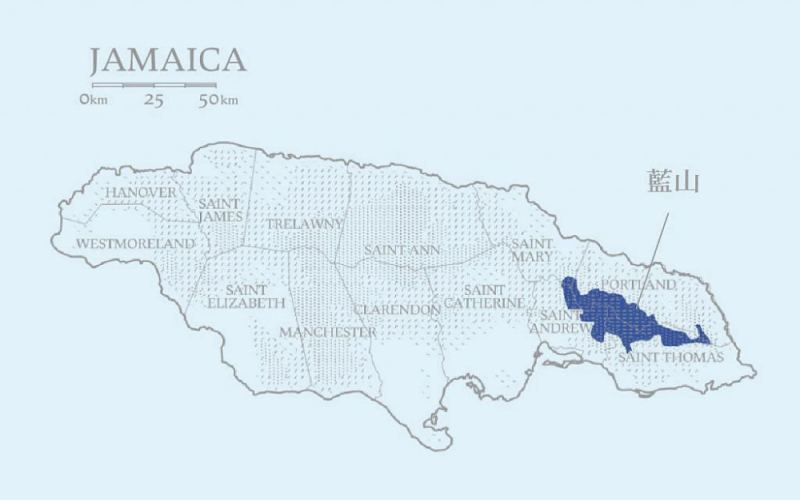
Jamaica Blue Mountain No.1 Pour Over Guide: Region Certification, Processing Methods & KONO Filter Cup Parameters
Jamaica Blue Mountain No.1 coffee is hailed as the finest in the coffee world, yet its actual production is extremely limited, and the market is flooded with many counterfeits. This article delves into the official certification standards of Blue Mountain coffee, regional distribution, and altitude requirements. It also introduces the cultivation background of the Clifton Estate and the differences between the washed and natural processing methods, while offering practical pour over parameters: 15g of coffee, a 1:15 coffee-to-water ratio, 88°C water temperature, and using a KONO filter cup with a 75% extraction rate grind size. [more…]
How to make a smooth iced latte? A beginner’s guide to iced coffee from bean selection, ratio to steps
While an iced latte may seem simple, it involves many key details that affect flavor. This article breaks down how to make a beautifully layered, smooth iced latte — from choosing the coffee beans and milk, the golden ratio of espresso to milk, to extraction and timing during preparation. It serves as a useful reference whether you’re brewing at home or serving in a café. [more…]
Ethiopia Huacai SOE Pour Over Beginner’s Guide | Flavors of the Guji Hambella Region, Comparison with Yirgacheffe, and Roasting & Brewing Parameters
With its rich aroma of strawberry cream and full-bodied, juicy flavor, Ethiopia Huacai coffee beans have become a popular single-origin espresso (SOE) in the specialty coffee scene in recent years. This article delves into the origin of the name “Huacai,” explores the unique terroir of the Hambella region, traces back to the background of the 2017 TOH competition champion, and compares the flavor differences between the smaller-sized Huacai beans and Yirgacheffe. It also provides recommended pour over parameters and steps to help you master the optimal brewing method and savor the layered charm of this highland natural-processed bean. [more…]
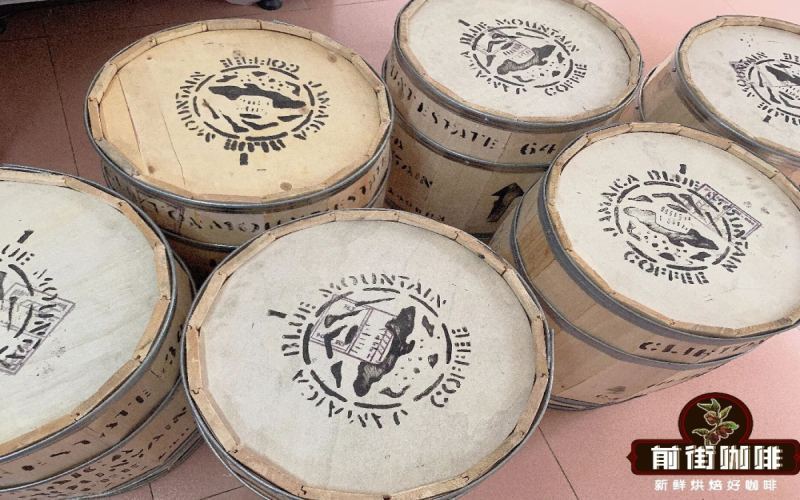
Jamaica Blue Mountain No.1 Review: Clifton Estate Classification, Authenticity Identification & Pour Over Recommendations
Jamaica Blue Mountain No.1 is the pinnacle of specialty coffee worldwide, yet the market is flooded with counterfeits, making it difficult to discern the genuine article. This article delves into the authentic growing regions and altitude conditions of Blue Mountain coffee, explores the outstanding performance and classification system of the Clifton Estate, and details the washed processing method, cupping flavor profiles, and roasting techniques. It also provides practical tips for identifying authenticity and pour over parameters to help you truly experience the richness and finesse of Blue Mountain No.1. [more…]
A Complete Guide to Huakui Coffee Beans: Flavor Evolution and Regional Secrets from TOH Champion to Petit Series
An in-depth exploration of the naming origin, regional characteristics, and processing methods of Ethiopia’s Huakui coffee beans, analyzing its flavor evolution from the 2017 TOH champion to the Petit series. Discover how this sundried bean, known for its creamy strawberry aroma, made its way from the Buku Abel processing station in the Hambela region to coffee lovers worldwide, and master the golden parameters for pour over brewing. [more…]
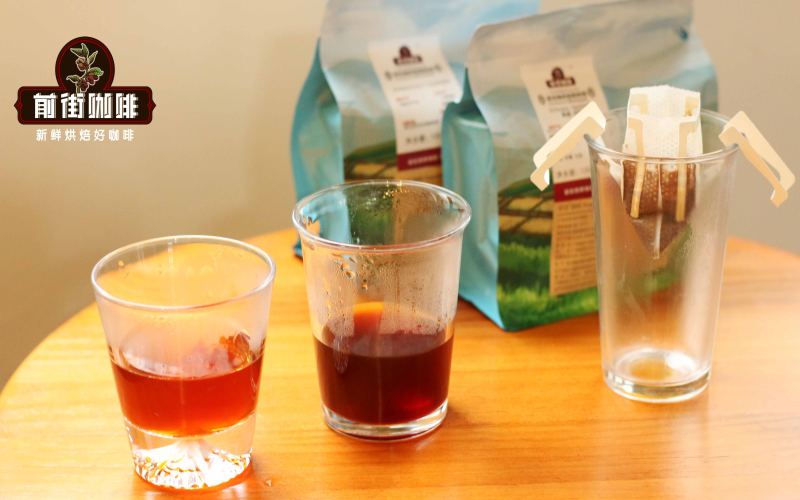
Pour Over Coffee Drip Bag Brewing Guide: Water Temperature, Techniques & Flavor Profiles from 5 Major Origins
Drip bag coffee has become the daily choice of more and more coffee enthusiasts due to its convenience without compromising on flavor. This article details the optimal brewing temperature for drip bag coffee, the correct steps for preparation, common mistakes to avoid, and provides an in-depth introduction to five classic flavor profiles from different origins — including Yirgacheffe, Brazil Cerrado, and Kenyan "Little Tomatoes" — helping beginners master comprehensive skills from selection to brewing. [more…]

How to Choose Coffee Beans for Your Café: Flavor Analysis of Washed Yirgacheffe and Mandheling
For those opening an independent café or community-focused coffee shop, selecting stable and flavorful coffee beans is the top priority. This article delves into the highlights of a renowned coffee brand’s bean menu, featuring over 50 single-origin specialty beans and 4 espresso blends. It provides a detailed breakdown of the origin background, flavor profiles, and optimal brewing parameters for popular washed Yirgacheffe and PWN·Yellow Gold Mandheling. Additionally, it includes formulation and flavor analysis for four espresso blends, along with practical bean selection advice. [more…]
Yirgacheffe Grading and Cold Brew Compatibility: ECX System Analysis and Brewing Recommendations
Want to uncover the grading secrets of Ethiopian Yirgacheffe coffee beans and whether they’re suitable for making cold brew? This article dives deep into the grading system of the Ethiopian Commodity Exchange (ECX), from the scoring logic of G1 to G9, to the differences between washed and natural processes, helping you grasp the key factors in selecting specialty coffee. It also explores which grades are better suited for cold brew, allowing you to make smarter brewing decisions based on flavor preferences. [more…]
A Complete Guide to Phoenix Dancong Tea Prices and Varieties | How to Choose High-End Aromatic Oolong Teas?
Phoenix Dancong oolong tea originates from Phoenix Mountain in Chaozhou, Guangdong, boasting nearly a thousand-year-old tea tree resources, yet is renowned for its over 300-year-old tea-making craftsmanship. This article delves into the variety classification of Phoenix Dancong, the price differences among its aroma profiles, explores the flavor distinctions between old-tree Dancong and garden tea, and provides practical identification tips to help readers understand the value of this fruit-aroma-rich high-mountain oolong tea. [more…]
Key Technologies in Black Tea Fermentation: A Comprehensive Analysis of Floral-Fruity Aroma Formation and Theaflavin Control
The unique flavor of black tea stems from precise fermentation techniques, a process that directly determines the color, aroma, and taste of the brewed tea. This article delves into the mechanisms behind the formation of theaflavins and thearubigins during black tea fermentation, explores the sources of floral and fruity aromas, and details the critical impact of humidity and oxidation levels on flavor. By observing changes in the tea liquor and leaf bottoms, you will learn to assess fermentation effectiveness and master the core craftsmanship behind a high-quality cup of black tea. [more…]
Can people with stomach issues drink black tea? Analyzing the causes of astringency and the advantages of first spring tea
Many individuals with sensitive stomachs worry that drinking black tea or raw Pu-erh may irritate their gastrointestinal tract. However, the issue often lies not with the type of tea itself, but with the season of the raw materials and the production process. This article delves into the key compounds behind the astringency in black tea, explores the differences between summer-harvested and spring-harvested tea leaves, and explains why first spring tea is gentler on the stomach. Readers will learn how to choose black tea that suits them, reduce discomfort when drinking tea, and gain practical advice for enjoying black tea. [more…]
Nepalese Highland Black Tea Tasting: A Complete Guide to Organic Cultivation and Flavor Brewing at Jun Chiyabari Tea Garden
Located at the foothills of the Himalayas, the Jun Chiyabari tea garden sits at an altitude of 1,650 to 2,100 meters and cultivates highland black tea using natural farming methods—free from chemical fertilizers and pesticides. The tea leaves here, influenced by the climate and cultivation practices, develop a unique muscat grape aroma and a rich, sweet aftertaste, with autumn teas being particularly outstanding. This article delves into the terroir conditions of the tea garden, the flavor characteristics of the tea leaves, ideal storage duration, as well as detailed brewing parameters and techniques to help you master Nepalese highland black tea. [more…]
Complete Guide to Making Darjeeling Iced Tea: Flavor Extraction, Rapid Cooling & Storage Techniques
Want to brew a refreshing cup of Darjeeling iced tea at home, but often find the aroma lacking and the taste flat? The key lies in the correct brewing and cooling methods. This guide dives deep into the fermentation characteristics of Darjeeling black tea, teaching you how to use boiling water to bring out muscat-like flavors, and how to lock in the essence of the tea through rapid cooling to prevent oxidation and flavor deterioration. Master professional-level iced tea brewing tips all at once — from tea-to-water ratio and water quality selection to ice-cooling techniques. [more…]
Analysis of the Spring Harvest Darjeeling Risheehat Black Tea | Organic Certification & Extended Withering Process
An in-depth exploration of the spring harvest black tea from the Risheehat Estate in Darjeeling. This tea, certified organic by both IMO and JAS, features a rich floral and fruity aroma achieved through a unique extended withering process. This article will detail its plucking timing, key techniques during production, and how proper aging can lead to a more rounded flavor profile—offering you a comprehensive understanding from flavor characteristics to brewing recommendations. [more…]
Flavor Profile of Tongmuguan Laocong Black Tea | Charcoal Roasting Techniques and Zhengshan Xiaozhong Brewing Methods
Tongmuguan Laocong Black Tea is based on the Shuixian tea cultivar and combines traditional charcoal roasting craftsmanship to deliver profound dried fruit sweetness and a rich, mellow mouthfeel. This article delves into its high-temperature oxidation fermentation characteristics, the principles of charcoal roasting, and provides a detailed breakdown of the key craftsmanship details that influence the flavor of the tea liquor. It also offers professional-grade brewing parameters for loose-leaf Zhengshan Xiaozhong, helping you master the entire process from tea selection to enjoyment. [more…]
How to Choose Darjeeling Black Tea for Cold Brew? A Complete Guide to Spring & Autumn Harvests, Flavors & Processing
Darjeeling black tea is categorized into two main types based on the harvesting season: spring harvest and autumn harvest. Not only do they differ significantly in appearance and liquor color, but their flavor profiles also vary greatly. This article details why spring-harvested tea tends to have a greener hue and a creamy yellow liquor, as well as the processing background behind autumn-harvested tea’s traditional orange-brown color. It also compares key differences between the two in terms of fermentation levels and withering times. Additionally, for tea drinkers who prefer cold brew, we offer tea selection suggestions to help you find the most suitable tasting experience. [more…]